If your furnace turns on, runs briefly, shuts off, and then starts again, it may be short cycling. Short cycling means the furnace stops before completing a normal heating cycle.
Possible causes include restricted airflow, thermostat problems, overheating, control issues, and improper furnace sizing.
This pattern can become especially noticeable during a New England heating season, when colder weather across Rhode Island and Massachusetts makes furnaces run more often.
The best first step is not to guess at the repair. Check the few things a homeowner can safely inspect, then schedule professional diagnosis with GEM if the cycling continues.
Why does a furnace turn on and off repeatedly?
A furnace can cycle too frequently when something interrupts its normal heating cycle.
Common causes include:
- a dirty or clogged air filter;
- blocked or restricted airflow;
- thermostat problems;
- overheating that activates a safety control;
- a control or equipment fault; or
- a furnace that is oversized for the home.
Dirty filters, thermostat problems, and improper sizing are among common short-cycling causes. Because several problems can produce the same symptom, short cycling is better treated as a clue than a diagnosis.
What can homeowners safely check first?
Start with the filter, thermostat, vents, and a few basic observations.
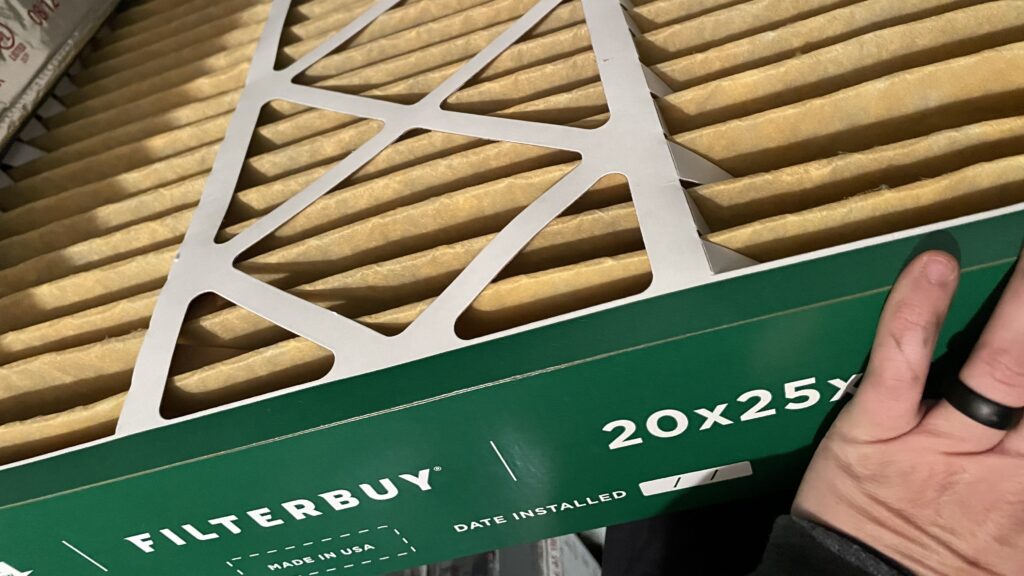
Check the furnace filter
A dirty filter can restrict airflow and contribute to overheating. Excessive heat may cause a safety limit to shut the furnace down before the heating cycle finishes.
Homeowners can safely:
- Locate the filter according to the furnace or filter-cabinet instructions.
- Check whether it is visibly dirty or clogged.
- Replace or clean it when appropriate for the filter type.
- Make sure supply and return vents are open and unobstructed.
Do not run the system without its required filter as a troubleshooting shortcut.
Review the thermostat
Thermostat problems can also affect furnace cycling if the thermostat is not sensing or communicating temperature correctly.
Check:
- that the thermostat is set to Heat;
- the desired temperature;
- user-serviceable batteries, if applicable;
Thermostat placement near sunlight or another heat source can cause inaccurate temperature readings and contribute to short cycling.
Observe what the furnace is doing
It can also help to note:
- how long the furnace runs before shutting off;
- whether airflow feels weaker than usual;
- whether rooms are reaching the thermostat setting;
- whether new noises are present; and
- whether the same cycling pattern continues after basic checks.
Avoid opening combustion areas, adjusting gas components, bypassing safety controls, or attempting internal electrical repairs.
What if the filter and thermostat look normal?
If the basic checks do not correct the problem, the cause may be inside the equipment.
Possible issues can include:
- overheating;
- limit-switch problems;
- blower or airflow faults;
- ignition-related problems;
- electrical or control issues;
- heat-exchanger concerns; or
- improper furnace sizing.
An oversized furnace can heat the home quickly, satisfy the thermostat, and shut down before establishing longer cycles. Proper furnace sizing depends on more than square footage, including climate, insulation, and window performance.
That is why internal faults and sizing concerns should be diagnosed rather than inferred from cycling behavior alone.
When should short cycling be professionally evaluated?
Persistent short cycling deserves professional attention when the furnace continues turning on and off after the filter, thermostat, and vent checks are complete.
Schedule service when:
- the furnace repeatedly shuts off before reaching the thermostat setting;
- a clean filter does not improve operation;
- airflow remains unusually weak;
- the furnace appears to overheat or repeatedly shuts down;
- unusual ignition behavior occurs;
- new or worsening sounds appear;
- thermostat behavior remains inconsistent; or
- the cycling has become a regular pattern.
Once the problem goes beyond what you can safely see or adjust, diagnosis is more useful than repeated resets.
If the basic checks look normal but the furnace still cycles frequently, GEM’s furnace repair team can evaluate the underlying problem.
Does short cycling mean you need a new furnace?
Not necessarily.
A short-cycling furnace should be diagnosed before deciding whether repair or replacement makes sense.
Furnace repair may be appropriate when the cause is a correctable issue such as:
- airflow restriction;
- thermostat trouble;
- a replaceable control or component; or
- another isolated repair.
Furnace replacement may deserve discussion when the broader picture includes:
- repeated repair history;
- major component problems;
- improper furnace sizing;
- parts or compatibility concerns;
- declining overall equipment condition; or
- a system that no longer meets the home’s heating needs.
Older homes across Rhode Island and Massachusetts can also have additions, insulation changes, or heating-system modifications that affect comfort and sizing.
What affects the cost of fixing furnace short cycling?
The cost depends on what is causing the cycling and what is required to correct it.
Potential cost drivers include:
- filter or airflow correction;
- thermostat diagnosis or replacement;
- safety-control problems;
- blower or electrical components;
- ignition-related components;
- equipment accessibility;
- furnace condition and configuration; and
- whether replacement is ultimately recommended.
Can routine furnace maintenance help?
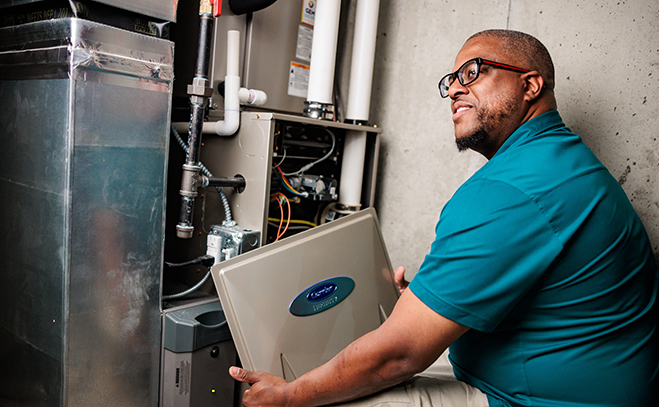
Routine maintenance gives a technician an opportunity to inspect furnace operation and identify developing problems before peak heating demand.
GEM technicians check items such as:
- safety controls;
- burners;
- blower components;
- filters; and
- overall furnace operation.
GEM also offers its Home Comfort Club, which currently includes two pre-scheduled HVAC maintenance visits each year-one for heating and one for cooling.
Maintenance cannot guarantee that a furnace will never need repair, but it provides a regular opportunity to identify changes in operation.
What should you do if your furnace keeps short cycling?
Start with three things:
- Check the thermostat.
- Inspect the filter and make sure vents are open.
- Observe whether the cycling continues.
If it does, have the furnace professionally evaluated rather than continuing to reset it or guessing at the cause.
A furnace that turns on and off frequently is signaling that something is interrupting its normal operation. The cause may be relatively simple, but repeated short cycling deserves a proper diagnosis.
If the filter, thermostat, and airflow checks do not correct the problem, schedule furnace service with GEM today
Frequently Asked Questions
Why does my furnace turn on and off frequently?
A furnace that turns on and off frequently may be short cycling because airflow, thermostat, overheating, control, or equipment-sizing problems are interrupting the heating cycle. Start with the filter, thermostat, and accessible vents. If repeated cycling continues, professional diagnosis can identify the cause.
What is furnace short cycling?
Furnace short cycling means the furnace repeatedly starts and stops before completing a normal heating cycle. This pattern of abnormal repeated cycling can have several underlying causes.
Can a dirty air filter cause furnace short cycling?
A dirty furnace filter can contribute to short cycling by restricting airflow and causing excessive heat to build inside the furnace. A safety limit may then shut the equipment down before the heating cycle finishes.
Can a thermostat cause a furnace to short cycle?
A thermostat can contribute to furnace short cycling if its settings, sensor, batteries, location, or wiring interfere with accurate temperature control. Homeowners can check normal settings and user-serviceable batteries, but wiring and control issues should be professionally evaluated.
Can an oversized furnace cause short cycling?
An oversized furnace can cause short cycling because it may heat the home too rapidly and shut off before establishing longer heating cycles. Proper furnace sizing depends on the home’s heating load, climate, insulation, windows, and other factors.
Does short cycling mean I need a new furnace?
Furnace short cycling does not automatically mean the furnace needs replacement because repairable airflow, thermostat, or component problems can create the same symptom. Replacement should follow diagnosis and consideration of equipment condition, repair history, sizing, and overall heating needs.
When should I call a technician for furnace short cycling?
Call an HVAC technician when furnace short cycling continues after checking the filter, thermostat, and accessible vents. Frequent cycling is a reason a furnace may need professional attention.