Getting a New England home ready for winter means looking beyond the thermostat. Heating equipment, plumbing, and electrical systems can all face heavier demands once temperatures fall, storms arrive, and families spend more time indoors.
A practical winter home readiness HVAC plumbing electrical checklist starts with what homeowners can safely inspect: heating filters and thermostat settings, exposed plumbing, portable electrical equipment, and signs that a system needs professional attention.
GEM serves homeowners across Rhode Island and Massachusetts with HVAC, plumbing, drain, and electrical services.
What should you check around the house before winter?
Start with the systems most affected by cold weather: heating, plumbing, and electrical.
A simple pre-winter walk-through can include:
- your furnace, boiler, heat pump, or other primary heating system;
- thermostat operation;
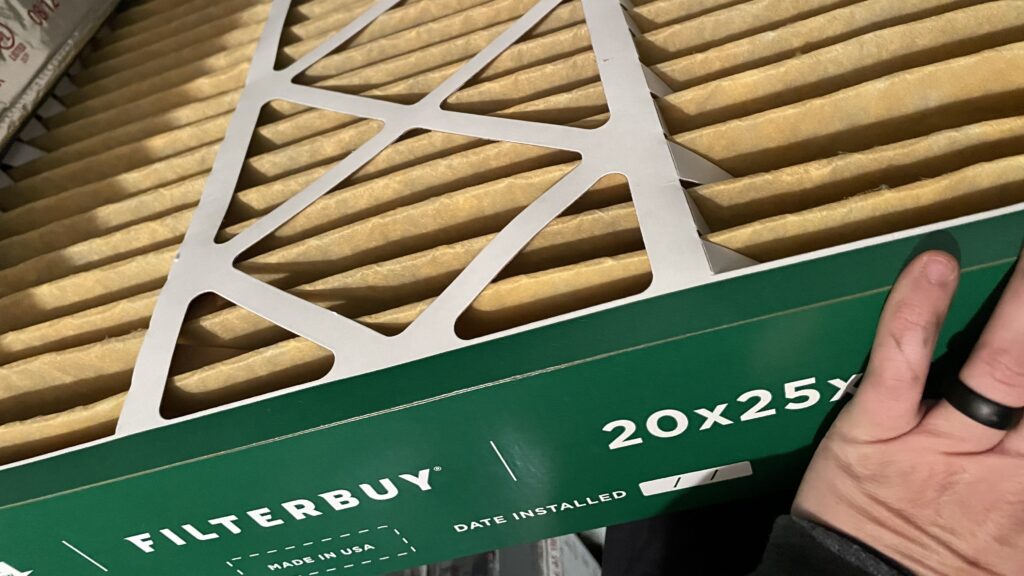
- HVAC filters and visible vents;
- pipes in basements, garages, crawl spaces, cabinets, or exterior walls;
- outdoor hoses and water connections;
- visible electrical cords and receptacles;
- portable space heaters;
- generator or backup-power equipment, if applicable; and
- smoke and carbon monoxide alarms.
Professional heating system maintenance is recommended before winter demand begins.
In many established Rhode Island and Massachusetts communities, heating equipment, wiring, and plumbing may have been installed or updated at different times. That makes a whole-home review more useful than focusing on only one system.
Make Maintenance Easier with GEM’s Home Comfort Club
For homeowners who want a simpler way to stay ahead of routine maintenance, GEM’s Home Comfort Club offers a whole-home membership designed to help keep essential systems running smoothly.
Members receive pre-scheduled maintenance visits, whole-home coverage options, savings on service work, exclusive membership scheduling, and support when unexpected issues arise.
It is a convenient way to plan care for heating, cooling, plumbing, and electrical systems while supporting efficiency, reducing the risk of surprise breakdowns, and helping equipment last longer.
How should you prepare your heating system?
Check the filter, thermostat, airflow, and basic heating operation before prolonged cold arrives.
Homeowners can safely:
- Inspect the air filter and replace or clean it when appropriate.
- Confirm the thermostat responds normally.
- Make sure supply and return vents are not blocked.
- Listen for new or unusual equipment sounds.
- Note rooms that have become harder to heat.
- Keep outdoor heat-pump equipment clear of leaves, snow, and debris.
Dirty filters can make heating and cooling equipment work harder. Annual pre-season professional maintenance is recommended.
The important distinction is whether a problem clears after a basic check or keeps returning. Persistent shutdowns, weak airflow, unusual noises, uneven temperatures, or a system that cannot maintain normal comfort deserve professional evaluation.
These symptoms do not identify one specific failure on their own. They simply show that the issue has moved beyond routine homeowner maintenance.
How can you reduce the risk of frozen pipes?
Focus on plumbing that runs through colder parts of the home.
Pipes are at higher risk when they are:
- outdoors;
- in unheated basements or crawl spaces;
- in attics;
- in garages;
- under kitchen or bathroom cabinets; or
- along exterior walls with limited insulation.
Before extreme cold:
- disconnect and drain outdoor hoses where appropriate;
- inspect accessible plumbing in colder areas;
- insulate vulnerable lines where appropriate;
- keep garage doors closed when water lines run through the garage;
- know where the main water shutoff is; and
- maintain heat if the home will be vacant.
Keep the thermostat no lower than 55°F when away during cold weather.
A sudden trickle from a faucet during freezing weather can indicate a frozen pipe, particularly when plumbing runs through an exterior wall or foundation area.
Other signs can include:
- loss of flow at one fixture;
- frost on an accessible pipe;
- a visible bulge or pipe damage; or
- water appearing as a frozen section begins to thaw.
Knowing the main water shutoff location becomes especially important if a frozen pipe begins leaking.
What can you safely do if a pipe freezes?
If the frozen section is accessible, keep the faucet open and use controlled, non-flame heat.
Options include:
- an electric heating pad;
- an electric hair dryer;
- towels soaked in hot water; or
- another controlled heat source used safely.
Do not use a blowtorch, kerosene heater, propane heater, charcoal stove, or another open flame to thaw a pipe.
If you cannot locate or safely reach the frozen section, or if the pipe is damaged or leaking, call a licensed plumber.
Finding issues with multiple systems? GEM can help address your HVAC, plumbing, and electrical needs all in one place. Schedule an inspection now.
What electrical equipment deserves attention before winter storms?
Winter electrical preparation is mostly about the equipment homeowners may rely on more heavily during cold weather or outages.
Check:
- portable space heaters;
- extension cords;
- outlets and receptacles;
- generator equipment;
- backup-power plans; and
- visible wiring or electrical equipment that already shows damage.
Winter storms can create hazards involving power outages, downed lines, portable generators, flooding, and supplemental heating equipment.
Space heaters deserve particular attention. Keep them at least three feet from combustible materials and plug them directly into wall outlets rather than extension cords or power strips.
Stop using electrical equipment if you notice:
- repeated breaker trips;
- warm or damaged receptacles;
- visible damage to permanent wiring;
- sparking;
- burning odors; or
- circuits that behave unpredictably when larger equipment starts.
Avoid using an extension cord or power strip as a permanent workaround for inadequate household wiring.
If a storm brings down a power line, treat it as energized, stay at least 10 feet away, and contact the utility.
How should you use a portable generator during an outage?
Portable generators should operate outdoors and should not be connected directly to household wiring without proper transfer equipment.
It’s advised that homeowners:
- never operate a portable generator inside a home, basement, or garage;
- keep it outdoors and away from enclosed spaces;
- avoid overloading it;
- follow the manufacturer’s electrical requirements; and
- never connect it directly to home wiring without an appropriate transfer switch.
Improper connection can create backfeed and endanger utility workers.
Whole home generator installation and transfer-switch work should be handled by a qualified professional.
When is repair more practical than replacement?
A winter problem does not automatically mean a system needs to be replaced.
The decision depends on the actual diagnosis and the condition of the equipment or component.
For HVAC, relevant factors may include:
- equipment condition;
- repair history;
- sizing;
- efficiency;
- parts availability; and
- whether the system still meets the home’s heating needs.
For plumbing, the decision may depend on:
- location of the damage;
- pipe material;
- repeated freezing or leaking;
- accessibility; and
- surrounding pipe condition.
For electrical work, factors can include:
- component condition;
- panel or circuit capacity;
- permanent wiring needs;
- load requirements; and
- installation scope.
A seasonal symptom alone is not enough to determine whether replacement is necessary.
What affects winter repair or upgrade costs?
The main cost drivers vary by system, but the same general factors often apply: diagnosis, materials, equipment, access, labor, and installation complexity.
For HVAC work, costs may depend on the system type, capacity, repair scope, efficiency level, duct or control work, and installation requirements.
Plumbing costs can be affected by pipe location, access, material, the extent of freeze or leak damage, and whether walls or ceilings must be opened.
Electrical costs may depend on circuit scope, wiring access, panel condition, equipment requirements, and permits or inspections where applicable.
What should be on your final winter readiness checklist?
Keep the final review simple.
Heating
- Check the filter.
- Test the thermostat.
- Keep vents clear.
- Note unusual sounds or performance.
- Schedule professional maintenance when appropriate.
Plumbing
- Identify pipes in colder areas.
- Insulate vulnerable lines where appropriate.
- Disconnect outdoor hoses.
- Know the main water shutoff location.
- Never use an open flame to thaw a pipe.
Electrical
- Inspect space heaters and cords.
- Plug portable heaters directly into wall outlets.
- Review generator procedures before an outage.
- Pay attention to recurring breaker or outlet problems.
- Stay away from downed power lines.
New England homes can face cold temperatures, winter storms, older system layouts, and different maintenance needs from one property to the next. The goal of a winter readiness check is not to diagnose every problem yourself. It is to identify what looks normal, what can be handled safely, and what deserves professional attention.
If your winter review uncovers an HVAC, plumbing, or electrical concern that goes beyond safe homeowner maintenance, schedule service with GEM
Frequently Asked Questions
What should I check in my home before winter?
A winter home readiness check should include your HVAC system, vulnerable plumbing, and electrical equipment used during cold weather. Check the heating filter and thermostat, review pipes in cold spaces, and inspect space heaters and cords. ENERGY STAR also recommends annual pre-season heating maintenance.
What should be on an HVAC winter checklist?
An HVAC winter checklist should include the filter, thermostat, airflow, equipment condition, and pre-season maintenance. ENERGY STAR recommends checking filters regularly, keeping equipment clear of debris, and having professional maintenance performed before peak heating season.
How can Rhode Island and Massachusetts homeowners help prevent frozen pipes?
Rhode Island and Massachusetts homeowners can help prevent frozen pipes by protecting plumbing in cold spaces, insulating vulnerable lines, maintaining heat, and letting exposed faucet lines trickle during severe cold when appropriate. Unheated basements, crawl spaces, garages, cabinets, and exterior walls are all vulnerable locations.
What should I do if a pipe freezes?
A frozen pipe should be thawed with controlled, non-flame heat while the affected faucet remains open. Heating pads, hair dryers, and hot towels are all options. Blowtorches and other open flames should not be used. If the pipe cannot be located or safely thawed, call a licensed plumber.
How should I use a space heater safely in winter?
A space heater should be kept at least three feet from combustible materials and should not be connected through a power strip or extension cord. Turn heaters off when leaving the room or going to sleep.
Can a portable generator connect directly to home wiring?
A portable generator should not connect directly to household wiring without an appropriate transfer switch. Improper connection can backfeed power onto utility lines and endanger workers and others.
Does GEM offer whole-home maintenance?
GEM currently offers a Home Comfort Club that includes heating and cooling maintenance plus plumbing and electrical inspection coverage. Current terms include two pre-scheduled HVAC maintenance visits per year, while plumbing and electrical coverage includes basic visual inspection elements.