Opening your winter energy bill can be a shock, especially when it’s much higher than last year’s. While some increase is expected during colder months, rising energy bills in winter can also be one of the first signs that something isn’t right with your heating system.
Many homeowners assume higher costs are just part of winter living. But in many cases, those spikes are caused by hidden heating efficiency issues that get worse over time. The sooner you recognize the warning signs, the easier it is to avoid major repairs or a full system breakdown.
Here’s how to tell when high heating costs are normal and when they point to a failing system.
What’s Normal Vs. What’s Not
It’s normal for energy use to rise when temperatures drop. Your heating system runs longer, works harder, and cycles more often to keep your home comfortable.
However, higher bills may not be normal if:
- Your usage habits haven’t changed
- Outdoor temperatures are similar to previous winters
- Your home isn’t warmer or more comfortable
- Your bill increases sharply from one month to the next
If your energy costs keep climbing without a clear reason, it often means your system is losing efficiency.
Why Heating Systems Become Inefficient Over Time
Heating systems don’t usually fail all at once. Most start losing efficiency gradually, sometimes years before they stop working completely.
Common causes include:
Wear And Tear on Internal Parts
Every heating cycle causes parts to expand and contract. Over time, this stress affects motors, burners, sensors, and electrical components. Even small wear can force the system to work longer to produce the same heat.
Restricted Airflow
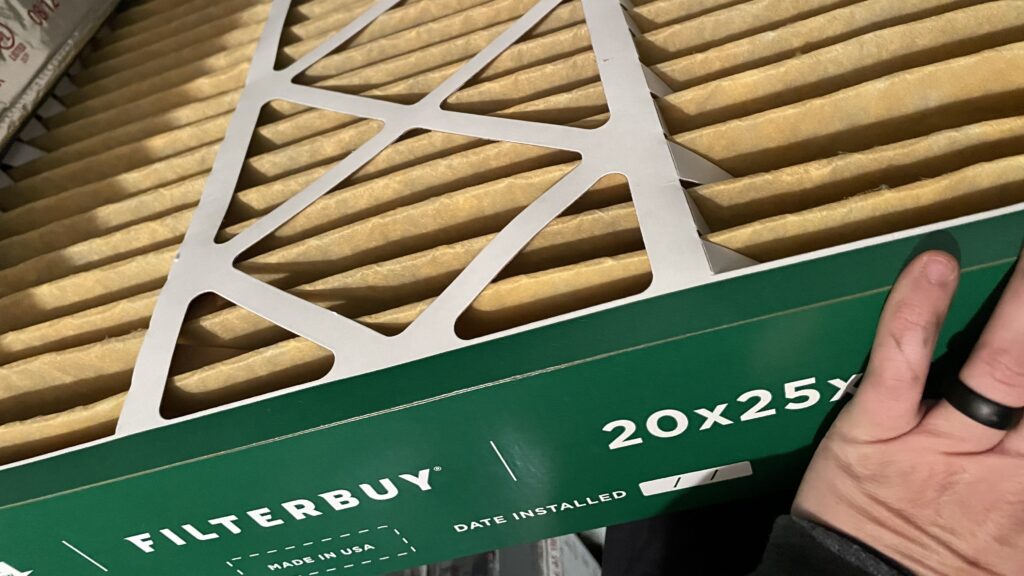
Dirty air filters, clogged ductwork, or failing blower components make it harder to move warm air through your home. Poor airflow causes longer run times and higher energy use.
Incomplete Or Inefficient Combustion
Gas systems rely on precise fuel-to-air ratios. When that balance is off, the system burns more fuel without producing enough heat. GEM offers helpful information about fuel usage and efficiency on its gas efficiency resource page, which explains how small inefficiencies can add up quickly.
Outdated Technology
Older systems simply can’t match the efficiency of modern equipment. Even if your furnace still runs, it may consume far more energy than necessary to heat your home.
Common Heating System Problems Linked To High Energy Bills
If your winter bills keep rising, one or more of these heating system problems may be to blame:
- The system runs almost constantly
- Rooms heat unevenly
- The furnace short-cycles on and off
- You hear new noises during operation
- The thermostat setting keeps creeping higher
- Warm air feels weaker than it used to
These issues often mean the system is struggling, not that your home suddenly needs more heat.
When Higher Heating Costs Are a Warning Sign
You should pay closer attention if your energy bills show:
- A steady increase over multiple winters
- A sudden spike without extreme cold
- Higher costs paired with comfort problems
- Increased runtime with no improvement in warmth
How Maintenance Helps Control Energy Costs
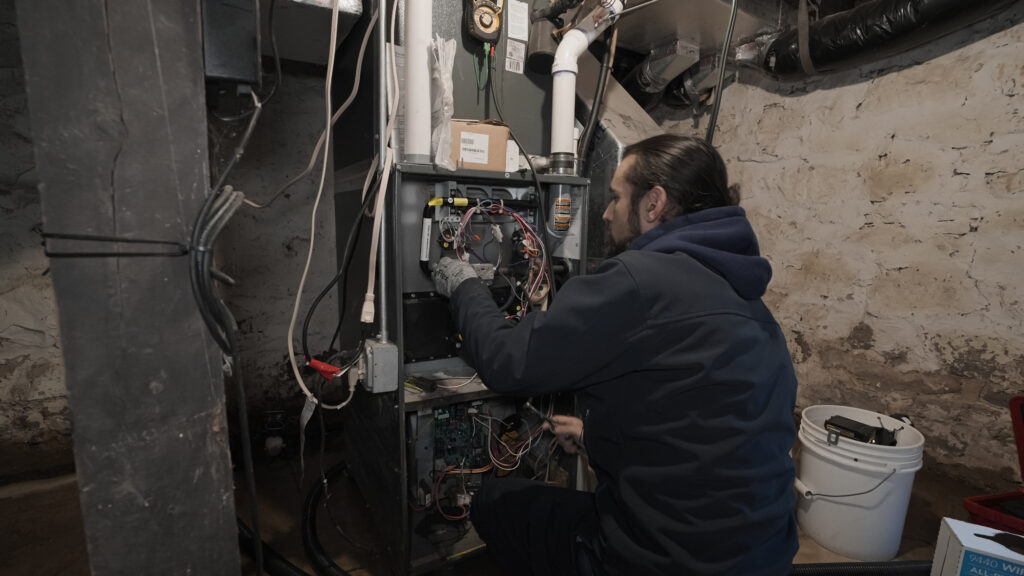
Routine service is one of the most effective ways to keep heating bills in check. During a professional tune-up, technicians can identify airflow restrictions, worn parts, calibration problems, and efficiency losses before they turn into major issues.
Regular maintenance can:
- Improve airflow
- Reduce unnecessary energy use
- Catch small issues early
- Extend equipment life
- Lower the risk of emergency breakdowns
Why Delaying Repairs Often Costs More
Many homeowners wait to schedule service because the system is “still working.” But when a furnace or heating system runs inefficiently, it usually costs more every day it operates.
What starts as a small issue, such as a dirty sensor or worn motor, can force the system to run longer cycles.
Early repairs are almost always less expensive than waiting for a breakdown.
Energy Rebates and Efficiency Upgrades
If your system is older or nearing the end of its lifespan, upgrading to a high-efficiency system may significantly reduce heating costs.
Massachusetts homeowners may qualify for valuable rebates and incentives through programs like Mass Save. GEM helps homeowners navigate available options through the Mass Save rebates and incentives program, which can make energy-efficient upgrades more affordable.
When It’s Time To Call For Service
Rising winter energy bills shouldn’t be ignored, especially if they’re paired with comfort issues or system changes.
It’s time to contact a professional if:
- Bills increase faster than expected
- Heat output feels weaker than normal
- The system runs nonstop
- You notice new noises or smells
- Your furnace hasn’t been serviced in over a year
What to Do If Your Heating Bills Keep Climbing
If your energy bills keep climbing, your heating system may be working harder than it should. Small efficiency problems can increase costs long before the system stops working.
At GEM Plumbing, Heating, Cooling & Electrical, we help homeowners find and fix heating efficiency issues early. Our licensed and certified technicians provide clear answers, upfront pricing, same-day service when available, and 24-hour support when problems can’t wait.
If your winter heating costs don’t seem right, it’s time to take a closer look.
Contact GEM today to schedule heating service and restore comfort, efficiency, and peace of mind in your home.
Frequently Asked Questions About Rising Heating Bills
Are higher energy bills in winter always normal?
Some increase is expected during colder months, but sharp or ongoing spikes are not always normal. If your usage habits haven’t changed and outdoor temperatures are similar to previous years, rising bills may indicate your heating system is losing efficiency.
Can a failing heating system still work but cost more to run?
Yes. Many heating systems continue operating while becoming less efficient over time. Worn components, airflow restrictions, or combustion issues can force the system to run longer, using more energy without improving comfort.
What heating problems most commonly cause high energy bills?
Common causes include restricted airflow, short cycling, worn motors, dirty sensors, inefficient combustion, and outdated equipment. These problems increase runtime and energy use even if the system hasn’t fully broken down.
How can I tell if my furnace is running too often?
If your system seems to run almost constantly, cycles frequently without warming the home evenly, or runs longer than it used to, it’s often a sign that it’s struggling to keep up due to efficiency or mechanical issues.
Will heating system maintenance help lower my energy costs?
Regular maintenance can help identify airflow restrictions, calibration issues, and worn parts early. A well-maintained system operates more efficiently, which can reduce unnecessary energy use and help keep heating bills under control.
When should rising energy bills be a serious concern?
Energy bills should be investigated when they increase steadily year after year, spike suddenly without extreme weather, or rise alongside comfort problems like uneven heating or weak airflow.
Should I repair my heating system or consider replacing it?
Repairs often make sense for minor efficiency issues, especially in newer systems. However, if your system is older, needs frequent repairs, or continues to drive up energy costs, upgrading to a high-efficiency system may be the better long-term solution.