Repairing an aging air conditioner may make sense when the problem is limited, parts remain available, and the rest of the system still provides dependable comfort. AC replacement deserves a closer look when major failures repeat, comfort continues to decline, or the equipment no longer fits the home.
There is no single age or repair amount that answers the question for every homeowner. A practical comparison should consider:
- The failed part
- Overall equipment condition
- Repair history
- Part availability
- Refrigerant type
- Comfort performance
- Electricity use
- Equipment sizing
- Duct condition
- Likely future repairs
- Full replacement scope
For Rhode Island and Massachusetts homeowners, humid New England summers may make weak cooling and poor moisture control especially noticeable. Older homes, additions, finished attics, and modified duct systems may also affect the repair-versus-replacement decision. GEM can you help you decide on the best path for your home.
What should homeowners check before peak cooling season?
Homeowners should check the filter, thermostat, airflow, outdoor clearance, and recent repair history before peak cooling demand.
Use this checklist:
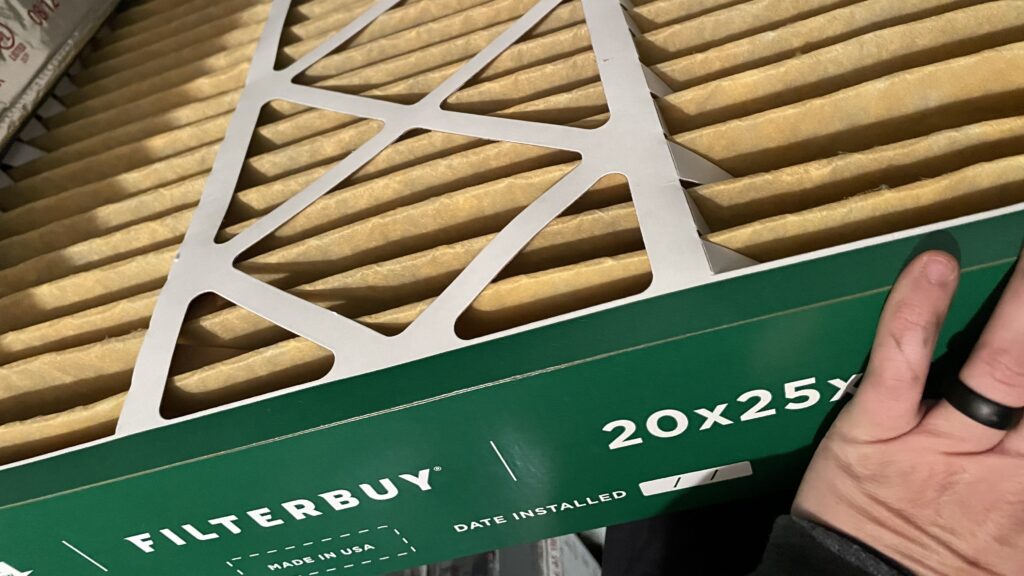
- Check the filter.
Clean or replace it when dirty and follow the equipment instructions. - Check supply and return airflow.
Move furniture, rugs, curtains, and boxes away from vents and return grilles. - Review thermostat settings.
Confirm that schedules match the household’s routine. - Look around the outdoor unit.
Remove loose leaves and light debris without opening the equipment. - Run the system before severe heat arrives.
Note unusual sounds, weak airflow, or trouble reaching the thermostat setting. - Gather service records.
Write down recent repairs and recurring symptoms. - Find the equipment label.
The model and serial numbers can help identify the system and locate compatible parts.
Do not open electrical compartments, remove safety guards, or handle refrigerant components. Leave that to a professional.
What signs mean an aging air conditioner needs attention?
An aging air conditioner needs professional attention when weak cooling is joined by unusual sounds, short cycling, leaks, ice, or recurring repairs.
Warning signs include:
- The home does not reach the thermostat setting
- Some rooms remain much warmer than others
- Airflow has become weaker
- The system runs almost constantly
- The equipment starts and stops every few minutes
- Water appears near indoor equipment
- Ice forms on accessible components
- A breaker trips repeatedly
- Grinding, squealing, rattling, or buzzing begins
- Repairs are becoming more frequent
- Electricity use rises without a clear household change
One symptom does not automatically mean the air conditioner should be replaced. A dirty filter, thermostat issue, clogged drain, failed capacitor, or another limited problem may be repairable.
When is air conditioner repair worth considering?
Air conditioner repair is often worth considering when the failure is isolated and the rest of the system remains in reasonable condition.
Repair may make sense when:
- The failed part is available
- The repair is limited in scope
- Major failures have not become frequent
- The system still cools the home evenly
- The equipment appears correctly sized
- Ductwork and airflow are generally sound
- There is no broad refrigerant-system failure
- The repair does not reveal a safety concern
Ask the technician to explain:
- What failed?
- What caused the failure?
- Will the repair restore normal operation?
- What condition is the remaining equipment in?
- Is the same issue likely to return?
- Are compatible parts still available?
- Does the system have other known problems?
A clear diagnosis should explain what the repair solves and what concerns may remain.
When should AC replacement be considered?
AC replacement deserves consideration when failures repeat, a major component has failed, or the system no longer provides dependable comfort.
Replacement may be worth comparing when:
- Major repairs are becoming frequent
- The compressor or another major component fails
- Important parts are unavailable
- Refrigerant leaks keep returning
- The system cannot maintain even temperatures
- Humidity remains uncomfortable
- The equipment is incorrectly sized
- Duct or electrical changes are already needed
- Installation problems affect performance
- The homeowner wants different comfort or efficiency features
Schedule service with GEM to compare the immediate repair, the system condition, and the full replacement scope
Does the air conditioner’s age decide the answer?
Age helps frame the decision, but age alone should not determine whether to repair or replace an air conditioner.
Two systems of the same age may be in very different condition because of:
- Maintenance history
- Installation quality
- Daily runtime
- Previous repairs
- Coil condition
- Refrigerant leaks
- Ductwork
- Electrical issues
- Outdoor exposure
- Equipment sizing
An older system with one limited failure may still be repairable. A newer system with installation defects or recurring refrigerant loss may need a broader solution.
Bottom line: ask how the repair affects the remaining equipment and what problems could remain afterward.
How does refrigerant affect the decision?
Refrigerant type, leak location, system condition, and availability can affect whether an air-conditioner repair is practical.
A refrigerant concern should be evaluated using:
- The refrigerant used by the system
- Whether a leak is confirmed
- Where the leak is located
- Whether the damaged component can be repaired
- The condition of the compressor and coils
- Availability of compatible refrigerant
- Other expected repair needs
Refrigerant work should be completed by a qualified professional. Proper refrigerant charge affects energy consumption, comfort, and risk of system failure.
Avoid unapproved substitutions or repeated recharging without identifying the cause of the leak.
Can rising energy bills mean an AC needs replacement?
Rising energy use may support a replacement discussion, but an energy bill alone cannot diagnose the air conditioner.
Higher electricity use may also result from:
- Hotter weather
- Longer billing periods
- Utility-rate changes
- Dirty filters
- Restricted airflow
- Dirty coils
- Leaky ducts
- Air leaks
- Thermostat changes
- More time spent at home
Compare electricity consumption, not only the dollar total.
If higher usage appears with declining comfort, long run times, or recurring repairs, a professional evaluation can help separate normal seasonal demand from an equipment or home-performance issue.
Can a new air conditioner fix uneven cooling?
A new air conditioner may not fix uneven cooling when ductwork, insulation, air leakage, or sizing is the underlying problem.
Uneven comfort may be caused by:
- Leaky ducts
- Blocked or undersized ducts
- Poor insulation
- Air leakage
- An unbalanced distribution system
- Additions that changed the home’s load
- Incorrect equipment capacity
- Thermostat location
Replacement planning should evaluate the whole home rather than simply installing equipment with the same capacity as the old unit.
What does AC replacement involve?
AC replacement involves evaluating the home, choosing compatible equipment, planning the installation, and testing the completed system.
A complete replacement project may include:
- Cooling-load calculation
The contractor evaluates the home’s size, windows, insulation, layout, occupancy, and climate. - Equipment selection
Indoor and outdoor components should be compatible and correctly sized. - Duct evaluation
Existing ducts are checked for airflow, leakage, damage, and suitability. - Electrical review
Wiring, disconnects, circuits, or panel capacity may need attention. - Refrigerant-line review
Existing lines must be checked for size, condition, routing, and compatibility. - Condensate planning
Moisture must drain safely and reliably. - Control review
The thermostat and controls must work with the selected equipment. - Permit and inspection planning
Requirements depend on the applicable Rhode Island or Massachusetts jurisdiction. - Startup testing
Airflow, refrigerant charge, drainage, controls, and temperature performance should be checked.
What affects AC repair and replacement costs?
Costs depend on the diagnosis, equipment, parts, access, electrical needs, ductwork, refrigerant, and full project scope.
Repair cost drivers include:
- Failed component
- Part availability
- Refrigerant type
- Leak location
- Equipment access
- Electrical damage
- Related system problems
Replacement cost drivers include:
- Cooling capacity
- Efficiency level
- Indoor and outdoor equipment
- Duct repairs or modifications
- Electrical work
- Refrigerant-line work
- Drainage
- Thermostat and controls
- Equipment access
- Permit and inspection requirements
- Installation testing
Older New England homes may have additions, tight mechanical areas, finished basements, or altered ductwork that affects the work.
What local New England factors matter?
Humidity, older housing, additions, coastal exposure, and equipment access can affect the repair-or-replacement decision.
Local considerations include:
- Humid summer weather
- Older housing stock
- Finished attics and basements
- Additions with altered duct layouts
- Tight mechanical spaces
- Coastal moisture in some communities
- Salt-air exposure near some coastal properties
- Different utility territories
- Local permit requirements
What questions should homeowners ask before deciding?
Homeowners should ask for a written comparison of what the repair will solve and what replacement would include.
Useful questions include:
- What failed?
- Why did it fail?
- What is the condition of the remaining equipment?
- Is the problem likely to return?
- Are parts readily available?
- Will the repair restore normal comfort?
- Are duct or airflow problems involved?
- Is the equipment correctly sized?
- What does the replacement estimate include?
- Are electrical changes required?
- Are permits needed?
- What warranties apply?
- Are financing or incentives available?
- Which option fits how long I plan to stay in the home?
A clear comparison should explain both choices without pressure.
What is the best next step?
Schedule a professional inspection when recurring repairs, a major failure, or declining comfort make the decision unclear.
Before the visit:
- Gather service records
- Write down current symptoms
- Compare recent electricity use
- Find model and serial numbers
- Note renovations or additions
- Check the filter and thermostat
- Ask for repair and replacement scopes in writing
Schedule HVAC service with GEM to compare AC repair and replacement options for your Rhode Island or Massachusetts home
Frequently Asked Questions
When should I repair or replace my air conditioner?
An air conditioner may be worth repairing when the problem is isolated, parts remain available, and the system otherwise cools the home reliably. Replacement deserves consideration when major repairs repeat, comfort declines, or the equipment has broader condition or installation problems.
Is an old air conditioner always better to replace?
An old air conditioner is not always better to replace because condition, maintenance, repair scope, parts availability, and comfort also matter. ENERGY STAR uses age as one reason to request professional evaluation rather than an automatic replacement rule.
When is air conditioner repair worth it?
Air conditioner repair may be worth it when the failed part is replaceable, major breakdowns have not become frequent, and the system remains properly sized and dependable. Ask whether the repair addresses the cause and what condition the remaining equipment is in.
What signs suggest an air conditioner should be replaced?
Rising energy bills may support an AC replacement discussion when they appear with declining comfort, long run times, or recurring repairs. The bill alone cannot diagnose the system because weather, rates, household use, filters, ducts, and air leakage also affect electricity use.
Can a new air conditioner fix uneven temperatures?
A new air conditioner may not fix uneven temperatures when duct leakage, poor airflow, insulation, air leakage, or incorrect sizing is the underlying cause. A replacement evaluation should consider the entire home and distribution system.
What is included in AC replacement?
AC replacement may include load calculations, matched indoor and outdoor equipment, duct evaluation, electrical work, refrigerant lines, drainage, controls, permits, and startup testing. The exact scope depends on the home and selected equipment.