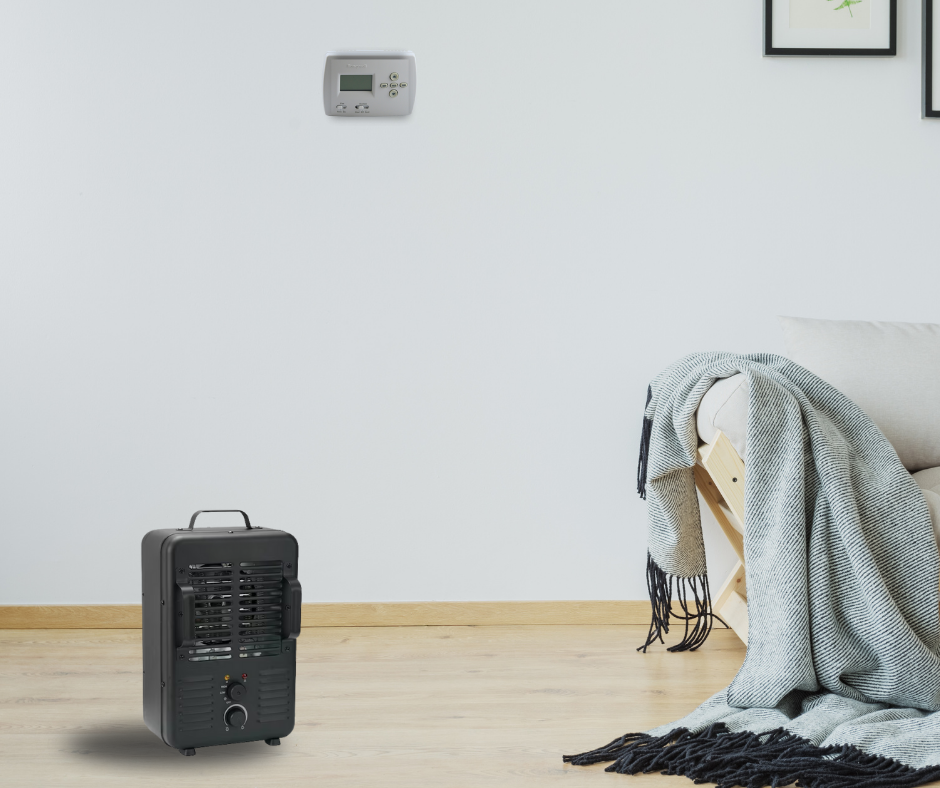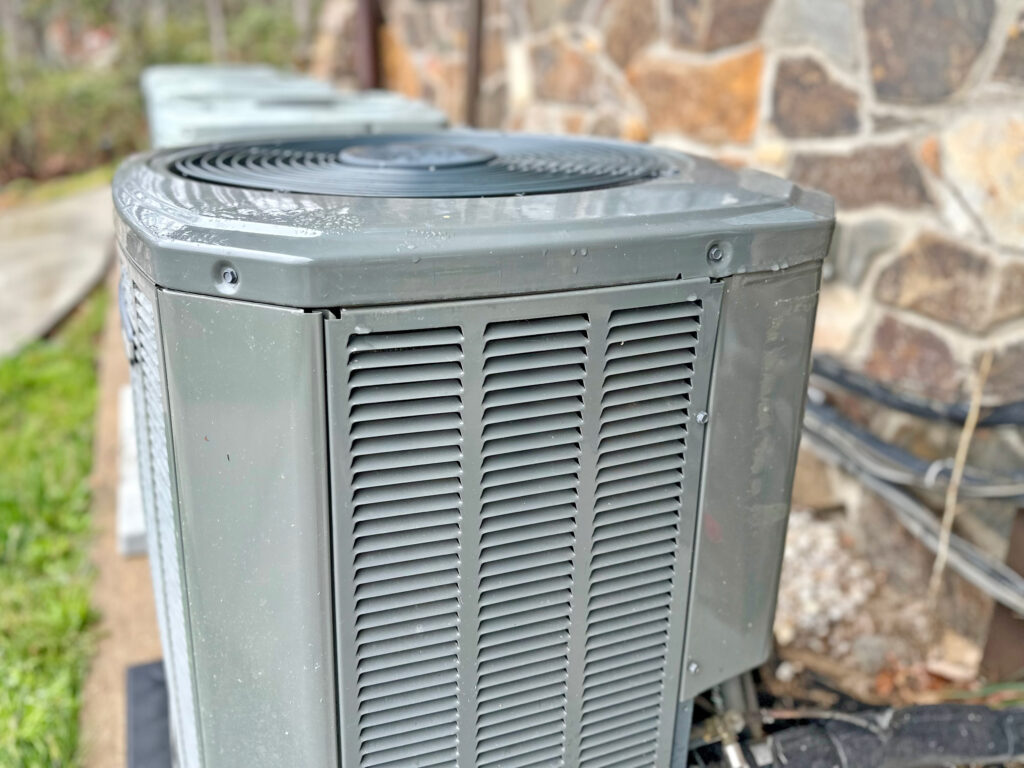
Your heating and cooling system works hard year-round. From freezing winter mornings to hot, humid summer days, it keeps your home comfortable no matter the season.
That’s why preventative HVAC maintenance matters.
A routine HVAC tune-up helps your system run more efficiently, reduces the risk of breakdowns, and extends the life of your equipment. But if you’ve never scheduled one before, you may wonder what actually happens during a maintenance visit and whether it’s really worth it.
Here’s what homeowners should expect from a professional HVAC tune-up and why regular maintenance plays such a big role in long-term comfort and reliability.
What Is Preventative HVAC Maintenance?
Preventative HVAC maintenance is a scheduled service visit designed to keep your system operating safely and efficiently before problems occur.
Instead of waiting for your furnace or air conditioner to break down, maintenance focuses on early detection. Small issues can often be corrected before they turn into major repairs or full system failures.
Most homeowners schedule maintenance once per year for each system, with heating in the fall and cooling in the spring. These visits help prepare your equipment for the heavy workload ahead.
What Happens During an HVAC Tune-Up?
A professional HVAC tune-up is more than a quick filter change. It’s a detailed inspection and system check designed to confirm everything is operating as it should.
While the exact steps vary depending on the season and system type, most tune-ups follow these steps.
System Inspection and Safety Checks
The technician begins with a full system inspection. This includes checking visible components, electrical connections, and safety controls.
They’ll look for:
- Loose or worn wiring
- Signs of overheating or corrosion
- Proper startup and shutdown operation
- Unusual noises or vibrations
For heating system maintenance, safety is especially important. Gas furnaces are checked for proper combustion, venting, and safe operation.
Cleaning Key Components
Dirt buildup is one of the biggest causes of reduced efficiency and system strain.
During a tune-up, the technician cleans components such as:
- Blower assemblies
- Coils (when accessible)
- Drain lines and pans
- Burners and flame sensors on furnaces
Even a thin layer of dust can force your system to work harder, increasing energy use and wear.
Airflow and Filter Evaluation
Proper airflow is essential for HVAC system care.
During maintenance, technicians will:
- Check air filters and recommend replacement if needed
- Inspect airflow levels
- Confirm vents and returns are unobstructed
Restricted airflow can lead to overheating, short cycling, uneven temperatures, and higher utility bills, all issues that maintenance helps prevent.
Electrical and Mechanical Testing
A tune-up also includes testing the electrical and mechanical side of your system.
This may involve:
- Measuring voltage and amperage
- Checking capacitors and contactors
- Testing motors and fans
- Verifying thermostat communication
These components often fail gradually. Catching weakness early can prevent sudden breakdowns during extreme weather.
Refrigerant and Cooling System Checks
During AC maintenance, refrigerant levels and cooling performance are carefully evaluated.
Technicians inspect:
- Refrigerant pressure readings
- Coil condition
- Temperature splits between supply and return air
- Drainage operation
Low refrigerant or restricted airflow can significantly reduce cooling capacity and efficiency, especially during peak summer use.
Heating System Tune-Up Expectations
When it comes to heating system maintenance, tune-ups focus on safe operation and dependable heat output.
For furnaces, this includes:
- Inspecting ignition components
- Checking heat exchanger condition
- Testing safety switches
- Measuring temperature rise
Routine furnace maintenance helps ensure your system heats evenly, runs efficiently, and operates safely throughout the winter.
Why Regular Maintenance Matters
Preventative HVAC maintenance isn’t just about avoiding breakdowns — though that’s a big benefit.
Regular tune-ups can help:
- Reduce unexpected repair costs
- Improve energy efficiency
- Extend equipment lifespan
- Maintain consistent comfort
- Improve system reliability during extreme temperatures
Maintenance Plans Make It Even Easier
For homeowners who want consistent care without remembering to schedule visits, a maintenance plan can simplify everything.
GEM’s AC and heating maintenance plans provides:
- Scheduled seasonal tune-ups
- Priority service
- Discounts on repairs
- Ongoing system monitoring
Maintenance Can Also Support Energy Savings
Well-maintained HVAC systems run more efficiently, which can help reduce monthly energy costs.
In Massachusetts, homeowners may also qualify for rebates or incentives related to energy-efficient upgrades. Keeping your system maintained can support eligibility and performance requirements.
What Maintenance Doesn’t Include
It’s important to understand that a tune-up is not a repair appointment.
If worn parts or failing components are found, the technician will explain the issue and review your options. With upfront pricing and clear communication, you can decide how you want to proceed without pressure.
A Small Tune-Up That Makes a Big Difference
A professional HVAC tune-up helps your system run better, break down less often, and last longer. Preventative maintenance catches small issues before they turn into bigger problems.
At GEM, our licensed and certified technicians provide honest recommendations and same-day service when available. As a family values company serving homeowners since 1949, we focus on keeping your system safe, efficient, and reliable.
If it’s been over a year since your last tune-up, scheduling maintenance can help keep your home comfortable all year long.
Schedule your HVAC tune-up with GEM today to keep your system running smoothly through every season.
Frequently Asked Questions About Preventative HVAC Maintenance
What is included in a preventative HVAC maintenance tune-up?
A professional HVAC tune-up includes a full system inspection, cleaning of key components, airflow evaluation, electrical and mechanical testing, and system performance checks. The goal is to confirm safe operation, improve efficiency, and catch small issues before they lead to breakdowns.
How often should HVAC maintenance be scheduled?
Most homeowners should schedule maintenance once per year for each system. Heating systems are typically serviced in the fall, while air conditioning systems are serviced in the spring to prepare for peak seasonal demand.
Is an HVAC tune-up really necessary if my system is working fine?
Yes. Many HVAC issues develop gradually and don’t cause noticeable symptoms right away. Preventative maintenance helps identify wear, airflow problems, or electrical issues early, reducing the risk of sudden failures during extreme weather.
How long does an HVAC tune-up usually take?
A standard HVAC maintenance visit typically takes between 60 and 90 minutes, depending on the system type and condition. More complex systems or older equipment may take slightly longer.
Can regular HVAC maintenance help lower energy bills?
Yes. Clean components and proper airflow allow your system to operate more efficiently. When the system doesn’t have to work as hard to heat or cool your home, energy usage often decreases, which can help control utility costs.
Does a tune-up include repairs if something is wrong?
No. A tune-up focuses on inspection, cleaning, and testing. If worn or failing parts are found, the technician will explain the issue and provide repair options with upfront pricing, allowing you to decide how to proceed.
What happens if I skip regular HVAC maintenance?
Skipping maintenance can lead to reduced efficiency, higher energy bills, more frequent breakdowns, and a shorter system lifespan. Small issues that could have been corrected early may turn into larger, more expensive repairs over time.