
The best way to keep your AC running efficiently in summer is to protect airflow, reduce avoidable heat, and schedule maintenance before the hottest stretch arrives. That sounds simple, but it matters when Rhode Island and Massachusetts move from wet spring weather into humid summer heat. Hot, humid New England summers call for dependable air conditioning.
Good news is, you can check a few safe items before calling. Filters, vents, thermostat settings, and outdoor-unit clearance all affect how hard your system works. If those basics look fine and the house still feels warm or sticky, that’s when AC repair or replacement from GEM becomes the right next step.
What should homeowners check before peak season?
Homeowners should check filters, vents, thermostat settings, and outdoor-unit clearance before peak summer heat. These simple checks help your AC move air properly before humidity and long run times put more pressure on the system.
Use this safe checklist:
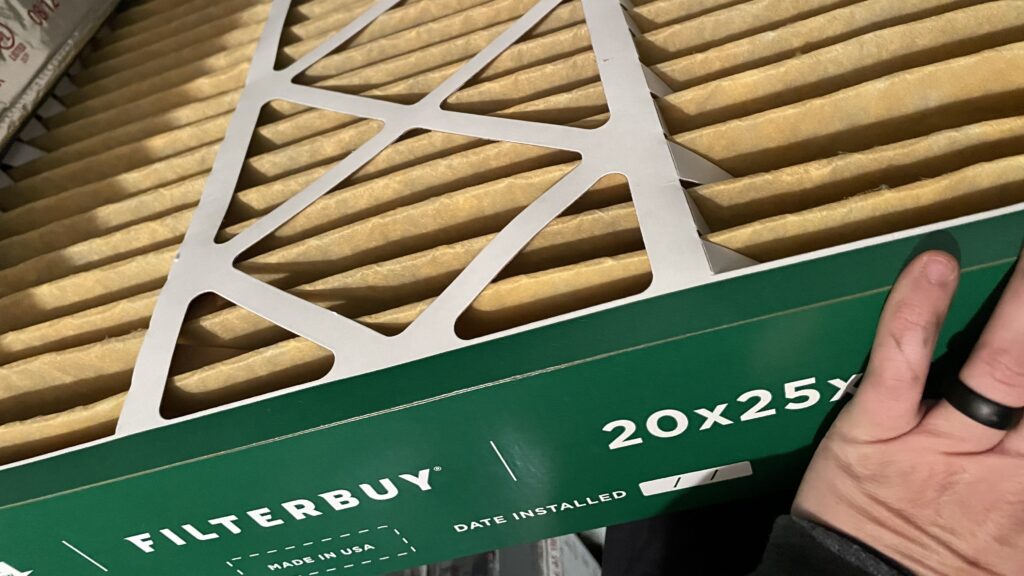
- Start with the air filter. A dirty filter can restrict airflow, make the system work harder, and cause rooms to feel uneven.
- Check supply and return vents. Keep furniture, rugs, curtains, and storage items away from vents so air can move freely through the home.
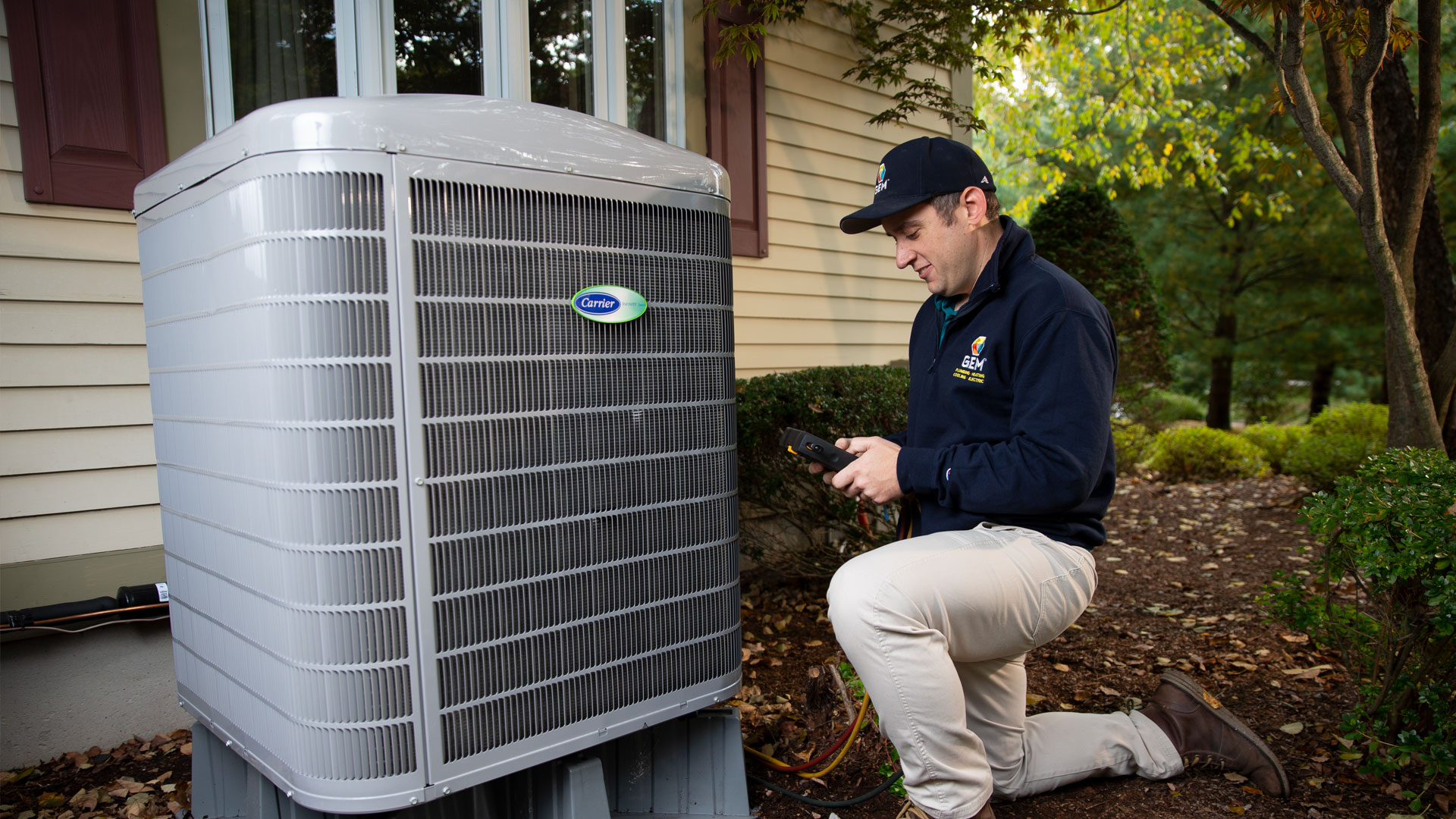
- Clear the area around the outdoor condenser. Keep leaves, grass clippings, and storage items away from the unit so it has enough space to release heat.
- Do not open equipment panels or reach into the unit. Leave internal components and electrical areas to a trained professional.
- Pay extra attention in coastal Rhode Island and Southeastern Massachusetts homes. Moisture and salt air can make regular seasonal checks more useful.
- Do not wait until summer to guess. Seasonal checks do not mean every system has a serious issue, but they can help catch small problems before peak cooling season.
Routine AC maintenance helps keep systems running efficiently, reliably, and safely.
What signs mean your HVAC system needs attention?
Your HVAC system needs attention when cooling feels weak, rooms stay uneven, the AC runs constantly, makes new noises, leaks water, short cycles, or blows warm air.
Watch for these signs:
- Warm air from vents
- Weak airflow
- Rooms that will not cool evenly
- AC running all day without catching up
- Short cycling
- Water near the indoor unit
- New buzzing, rattling, or grinding sounds
- Higher utility use without a clear change in habits
Real talk: if your system has one of those symptoms, the issue may be more than a filter. Airflow, refrigerant, electrical parts, coils, ductwork, or thermostat controls may need a professional look.
What can you safely check before calling?
You can safely check the thermostat, filter, vents, breaker position, and outdoor-unit area before calling. Leave refrigerant, electrical diagnostics, internal coil cleaning, and sealed equipment panels to a trained HVAC technician.
Use this safe checklist:
- Set your thermostat as high as comfortably possible during cooling season. A higher cooling setpoint can help reduce system run time, especially when you are away from home or asleep.
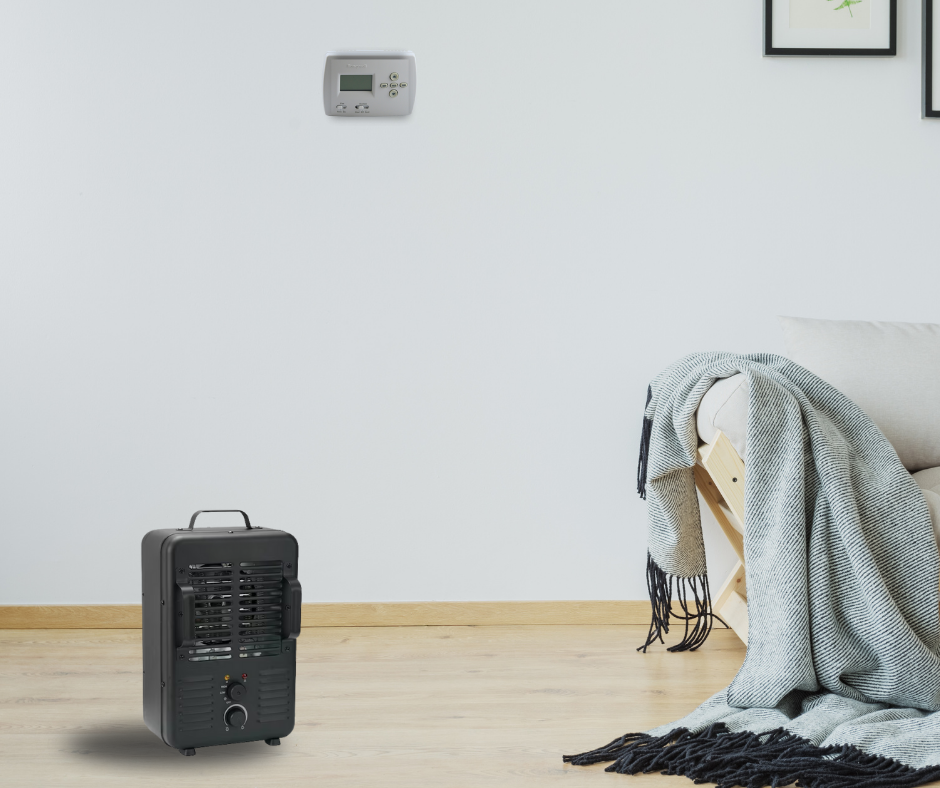
- Keep heat-producing items away from the thermostat. Lamps, televisions, electronics, and other warm objects can make the thermostat sense extra heat, causing the system to run longer than needed.
- Check your air filter. Replace or clean the filter if it looks dusty, and make sure you are using the correct size and type for your system.
- Walk through your home and check airflow. Make sure supply vents are open and return vents are not blocked by furniture, rugs, or other items.
- Inspect the outdoor condenser area. Clear away leaves, grass clippings, branches, or other debris around the unit so air can move freely.
- Know when to stop and call a professional. Do not continue troubleshooting if you notice damaged wiring, ice on the system, water leaks, repeated breaker trips, or if the unit will not start.
Safety note — do not keep resetting a breaker. If it trips again, the system needs service. GEM offers 24/7 emergency HVAC and emergency electrical service.
How can maintenance improve AC performance during heatwaves?
Maintenance can improve AC performance during heatwaves by checking airflow, refrigerant performance, coils, electrical connections, condensate drainage, and controls before the system is under peak demand.
Routine AC maintenance can help prevent clogs, refrigerant problems, and leaks from becoming more serious over time.
A maintenance visit may include:
- inspection of the indoor and outdoor equipment
- thermostat operation
- condensate drainage
- coil condition
- electrical performance
That matters because the problem you feel as “not cooling well” may come from several places.
Review your maintenance options before summer demand rises. GEM’s Home Comfort Club maintenance plan can help keep seasonal AC care on schedule.
When should you repair vs. replace?
AC repair often makes sense when the issue is isolated, the system is otherwise reliable, and the repair restores normal comfort. Replacement becomes worth discussing when the AC is older, repairs are frequent, comfort is inconsistent, or the system no longer matches the home’s cooling needs.
Repair might be the best option when the issue is:
- A thermostat problem
- A capacitor problem
- A clogged condensate drain
- A dirty coil
- A weak blower component
- A targeted electrical repair
Replacement might be preferable when:
- Repairs keep returning
- The system struggles every summer
- Rooms stay uneven after maintenance
- Major parts are failing
- The system is poorly sized for the home
Older homes across Rhode Island and Massachusetts can add variables. Many have additions, finished attics, older ductwork, or tighter mechanical spaces. That is why a good repair-or-replace conversation should include the home, not just the outdoor unit. The right choice depends on the equipment, the repair history, and whether the system can still keep up during peak heat.
What affects HVAC cost in Massachusetts and Rhode Island?
HVAC cost in Massachusetts and Rhode Island depends on:
- service scope
- equipment size
- system condition
- access
- efficiency level
- ductwork
- electrical needs
- whether the job is maintenance, repair, or replacement
A seasonal tune-up costs less than a repair involving refrigerant, electrical components, motors, or major parts.
Replacement has more variables because equipment selection, right-sizing, ductwork, home layout, controls, and installation complexity all matter.
Local housing also plays a role. Tight basements in older Providence homes, coastal moisture near Narragansett Bay, older duct runs, and compact utility spaces can all affect service time or installation planning.
What is a practical summer HVAC efficiency checklist?
A practical summer HVAC efficiency checklist starts with the items homeowners can check safely, then moves to professional service when symptoms show up.
Use this quick checklist:
- Replace or clean the air filter.
- Keep supply and return vents open.
- Set the thermostat as high as comfortable.
- Keep lamps and electronics away from the thermostat.
- Clear debris around the outdoor unit.
- Watch for warm air, leaks, short cycling, or odd sounds.
- Schedule maintenance before the next heatwave.
- Call for service if comfort does not improve.
Bottom line — if your AC is already struggling, do not wait for the next humid night. Schedule AC service with GEM so a technician can check the system, explain the cause, and help you choose the next step.
Schedule service with GEM now before summer heat hits
Frequently Asked Questions
How do I keep my AC running efficiently in summer?
Keeping your AC running efficiently in summer starts with clean filters, open vents, clear outdoor-unit airflow, and a thermostat setting that avoids unnecessary run time. Rhode Island and Massachusetts homeowners should schedule maintenance before long humid stretches so small problems can be checked before peak demand.
What thermostat setting is best for summer?
The best summer thermostat setting is the highest temperature that still keeps your home comfortable and safe. Raising the setpoint when you are away can reduce run time. Keep lamps, electronics, and direct sun away from the thermostat so it does not sense extra heat.
Why does my AC run constantly in hot weather?
An AC may run constantly in hot weather when the home gains heat faster than the system can remove it, or when airflow, coils, refrigerant, ducts, or controls need attention. If the home still feels warm or humid, schedule AC repair.
What are signs my AC needs service?
Signs your AC needs service include warm air, weak airflow, short cycling, water leaks, unusual noises, or a system that will not turn on. These cooling problems may need professional diagnosis.
When should I repair or replace my AC?
AC repair may make sense when the issue is isolated and the system is otherwise reliable. AC replacement may be worth discussing when repairs repeat, comfort stays uneven, or the system no longer fits the home’s cooling needs.