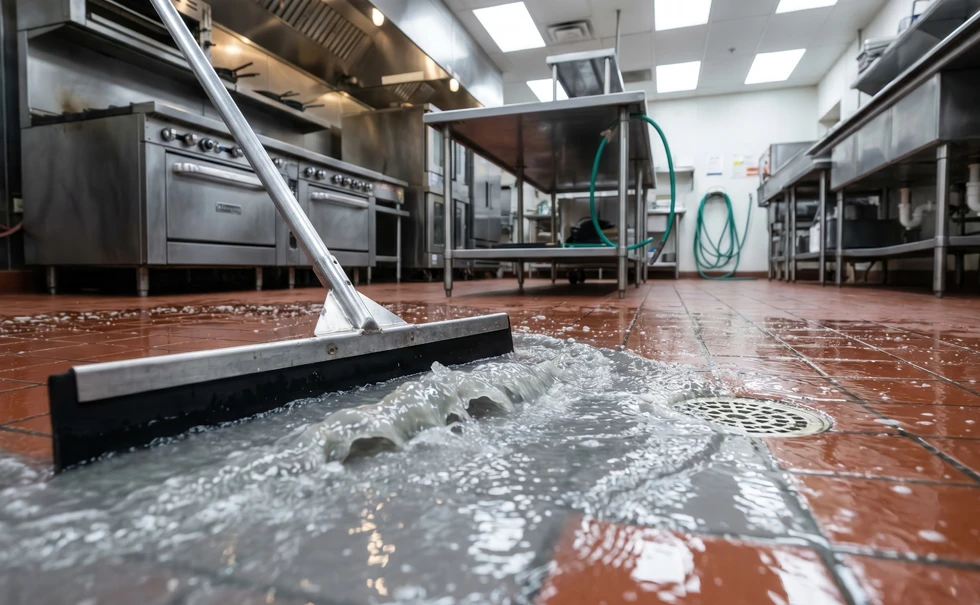
A backed-up floor drain, persistent sewer odor, or overflowing sink can bring business operations to a standstill. For commercial properties, drain problems can create safety hazards, disrupt employees and customers, damage property, and lead to expensive emergency repairs. Yet many of these issues are entirely preventable.
The challenge is that drain systems often receive attention only after something goes wrong. Small warning signs are easy to dismiss, and commercial drain maintenance can fall down the priority list when facilities teams are focused on day-to-day operations.
Here are some of the most common mistakes facilities make when managing their drain systems and what you can do to avoid them.
Waiting Until a Drain Emergency Occurs
One of the most common mistakes facility managers make is waiting for a drainage system problem to become impossible to ignore. Many businesses don’t think about their drain systems until a sink won’t drain, a floor drain overflows, or wastewater backs up into occupied spaces.
The challenge is that most drain issues develop gradually. Grease buildup, sediment accumulation, debris, and pipe deterioration can occur over months or years before noticeable symptoms of a clogged drain appear.
Routine Maintenance for Commercial Drain Systems
The best way to avoid emergencies is through preventive maintenance. Regular drain maintenance, inspections, and professional commercial drain cleaning allow issues to be identified and addressed before they impact operations.
GEM works with commercial customers to develop customized commercial drain maintenance plans based on their facility type, usage patterns, and operational needs. A proactive approach can significantly reduce the likelihood of unexpected disruptions and costly emergency service calls.
2. Ignoring Slow Drains
A drain that is still functioning but draining slowly is often dismissed as a minor issue. In reality, slow drainage is one of the earliest warning signs of a developing blockage.
As grease, soap residue, food particles, mineral deposits, and other debris accumulate inside drain lines, water flow becomes restricted. Left untreated, these partial blockages can eventually lead to complete obstructions and backups.
Address Drainage Issues Early
Treat slow drains as an opportunity for early intervention. If employees or tenants repeatedly report slow drains, it’s important to investigate the cause rather than waiting for the problem to worsen. If multiple drains are slowing down or the issue repeatedly returns, schedule a professional inspection.
Professional drain cleaning restores proper flow before a small issue turns into a major disruption. By addressing slow drains early, facilities can avoid more extensive repairs and maintain uninterrupted operations.
3. Using Chemical Drain Cleaners
When a drain begins to clog, many facilities reach for chemical drain cleaners as a quick fix. While these products may temporarily improve drainage, they rarely solve the underlying problem.
Chemical cleaners create a short-term opening through the blockage, but fail to remove buildup lining the pipe walls. Repeated use can contribute to pipe deterioration, especially in older plumbing systems.
Commercial Drain Cleaning Services
Commercial properties require solutions designed for larger, more complex drain networks. A more effective solution is professional drain cleaning.
Depending on the condition of the system, services such as snaking, mechanical cleaning, or hydro jetting may be recommended. Hydro jetting uses high-pressure water to scour the interior walls of pipes, removing stubborn blockages and restoring full flow capacity.
GEM’s commercial drain specialists use professional-grade equipment and proven heavy-duty cleaning methods to remove grease, organic matter, scale, and debris buildup safely and effectively. Rather than masking the symptoms, professional drain cleaning addresses the source of the problem and helps prevent recurring issues.
4. Neglecting Grease Management
For restaurants, cafeterias, healthcare facilities, and other food-service environments, grease is one of the leading causes of drain blockages. When fats, oils, and grease enter the plumbing system, they cool and harden inside the pipes.
Over time, this buildup narrows the pipe diameter and restricts water flow. Eventually, severe blockages can form, leading to backups that disrupt operations and create sanitation concerns. Even facilities equipped with grease traps can experience problems if those systems are not properly maintained.
The Right Plan Makes All the Difference
Preventing grease from entering the drain system is far more effective than dealing with the consequences later. Implement a comprehensive grease management strategy that includes:
- Proper disposal practices
- Employee training
- Routine grease trap maintenance
- Scheduled drain cleaning
GEM helps commercial customers develop regular maintenance strategies that reduce grease-related drain issues and keep plumbing systems operating efficiently.
5. Skipping Drain Camera Inspections
Many commercial drain problems occur below the surface and cannot be detected through a visual inspection alone. Tree root intrusion, pipe damage, corrosion, collapsed sections, and hidden blockages can all exist in underground piping without obvious warning signs.
Without accurate diagnostics, facilities may spend money repeatedly treating symptoms while the underlying issue remains unresolved.
Schedule Annual Drain Inspections
Drain camera inspections provide a clear view of the inside of the piping system, allowing technicians to identify the exact location and cause of a problem.
Using advanced video inspection technology, GEM can quickly diagnose drain issues and provide targeted recommendations. This approach helps facility managers make informed decisions, avoid unnecessary repairs, and extend the life of their plumbing infrastructure.
6. Forgetting About Floor Drains
Floor drains are critical components of many commercial facilities, yet they are frequently overlooked during maintenance planning. Over time, dirt, debris, sediment, and other contaminants can accumulate inside floor drains, restricting flow and reducing their effectiveness.
When heavy water usage occurs or an emergency situation develops, neglected floor drains may fail to perform as intended. This can lead to flooding, water damage, and operational disruptions.
Prioritize Floor Drains
Facilities should include floor drains as part of their routine commercial drain maintenance program, particularly in areas such as:
- Commercial kitchens
- Mechanical rooms
- Warehouses
- Manufacturing facilities
- Restrooms
- Healthcare environments
Regular cleaning and inspection help ensure floor drains remain ready when they’re needed most.
7. Failing to Train Employees
Employees can unknowingly contribute to drain problems by disposing of food waste, grease, wipes, paper products, and other materials improperly. Even a well-maintained drain system can develop issues if misuse occurs regularly.
Education Is Critical
Drain maintenance starts with everyday habits throughout the facility. Simple training can go a long way toward preventing costly repairs and plumbing problems. Facilities should establish clear guidelines regarding proper disposal practices and encourage employees to report plumbing concerns as soon as they arise.
When combined with routine professional maintenance, employee awareness can significantly reduce the frequency of drain-related issues.
8. Overlooking Seasonal Drain Maintenance
Commercial facilities across New England face unique challenges throughout the year. Heavy rainfall, snowmelt, freezing temperatures, and seasonal debris can all impact drain system performance. Without proper preparation, changing weather conditions can increase the risk of backups, flooding, and drainage failures.
Prepare Ahead of Seasonal Shifts
Seasonal maintenance should include inspecting exterior drains, clearing debris from catch basins, evaluating drainage flow, and identifying potential vulnerabilities before severe weather arrives.
GEM helps businesses stay ahead of seasonal challenges through proactive inspections and drain cleaning services that keep commercial plumbing systems performing reliably year-round.
Keep Your Facility Running Without Drain-Related Disruptions
Drain systems are essential to the health, safety, and productivity of any commercial property. When properly maintained, they operate quietly in the background and support daily business operations. When neglected, they can quickly become a source of costly disruptions.
A proactive commercial drain maintenance strategy helps businesses:
- Prevent unexpected backups and overflows
- Reduce emergency repair costs
- Improve system reliability
- Extend the life of plumbing infrastructure
- Protect employees, customers, and tenants
- Minimize operational downtime
Partnering with an experienced service provider makes it easier to stay ahead of potential issues and maintain confidence in your facility’s plumbing system.
Trust GEM for Commercial Drain Maintenance
For more than 75 years, businesses throughout New England have trusted GEM for dependable plumbing and drain solutions. From routine drain cleaning and hydro jetting to advanced camera inspections and emergency service, GEM provides comprehensive support for commercial facilities of all sizes.
With experienced technicians, advanced diagnostic technology, and a commitment to customer service, GEM helps facility managers protect their properties and avoid costly disruptions before they occur.
The best time to address a problem is before it becomes an emergency, and GEM is ready to help with your commercial drain maintenance and drain cleaning needs.