
Preparing a New England home for winter means looking at more than the thermostat. Heating equipment works harder, plumbing in cold spaces can freeze, and electrical systems may carry additional loads from portable heaters and seasonal equipment.
For Rhode Island and Massachusetts homeowners, a useful winter plan focuses on three systems: HVAC, plumbing, and electrical. GEM can help resolve issues with all of these crucial home systems.
The goal is not to predict every possible breakdown. It is to find the obvious weak points before a cold snap or winter storm gives them a harder test.
What should you check on your heating system before winter?
Start with normal operation, airflow, and safety equipment before heating demand peaks.
Run the system before the first sustained cold period and notice whether it starts, runs, and heats the home normally. If your furnace or boiler has been unreliable, strange noises, repeated shutdowns, poor airflow, or inconsistent heating deserve attention before they turn into a no-heat situation.
For fuel-burning systems, annual professional inspection of furnaces, boilers, fireplaces, water heaters, chimneys, flues, and vents is recommended.
Also make sure smoke and carbon monoxide alarms are working. Smoke alarms should be on every level and inside bedrooms, with CO alarms on every level and outside sleeping areas. Test them monthly.
A simple heating check should include:
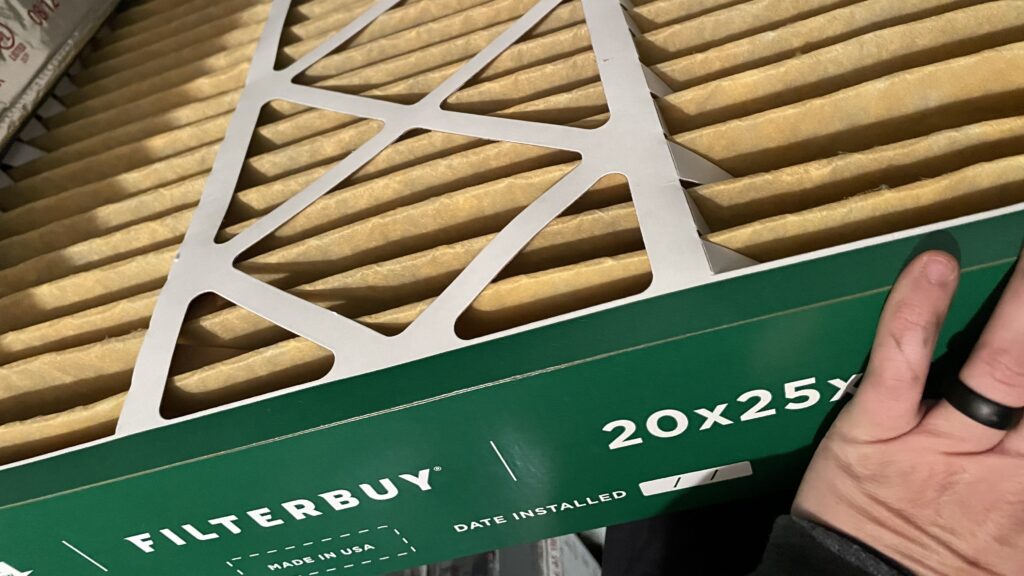
- an accessible air filter;
- thermostat operation;
- normal airflow from vents;
- unusual noises or odors;
- repeated shutdowns;
- working smoke and CO alarms.
If your system is already showing a pattern of trouble, review GEM’s heating services before the next stretch of cold weather.
Which plumbing areas are most likely to freeze?
Pipes exposed to colder parts of the home deserve the most attention.
Plumbing in unheated basements, crawl spaces, attics, garages, cabinets, and exterior walls is especially vulnerable to freezing. Water expands as it freezes, which can create enough pressure to break metal or plastic pipe.
That is particularly relevant in New England, where many homes have basements, additions, garages, crawl spaces, or older utility layouts that can place water lines near cold surfaces.
Before temperatures fall:
- Disconnect and drain outdoor hoses.
- Insulate exposed water lines where appropriate.
- Check plumbing in basements, crawl spaces, garages, and exterior-wall cabinets.
- Keep garage doors closed when supply lines run through the garage.
- Know where the main water shutoff is.
During very cold weather, the Red Cross recommends opening cabinet doors so warmer air can reach nearby plumbing and allowing a small amount of cold water to drip from a faucet served by exposed pipes.
If one section freezes every winter, the better long-term question is why that pipe is repeatedly exposed.
GEM’s plumbing and drain services can help evaluate recurring frozen lines, leaks, or damaged plumbing rather than relying on the same temporary workaround each season.
What should you do if a pipe freezes?
Treat a frozen pipe carefully because damage may not become obvious until the ice begins to thaw.
A faucet that produces only a trickle during freezing weather can indicate a frozen line. The Red Cross recommends leaving the faucet open and applying gentle heat to the accessible frozen section using methods such as an electric heating pad, hair dryer, or hot towels.
Never use a blowtorch or another open flame to thaw plumbing.
Call a licensed plumber if:
- the frozen section cannot be located;
- the pipe is inaccessible;
- it cannot be safely thawed;
- the pipe has split or begun leaking.
If one pipe freezes, check other faucets because the same cold conditions may be affecting additional lines.
What electrical risks become more important in winter?
Portable heaters, storm preparation, temporary equipment, and longer indoor hours can add electrical demand during winter.
Plug electric space heaters directly into a wall outlet rather than an extension cord or power strip. Portable heaters should be kept at least three feet from curtains, furniture, bedding, and other combustible material, and turned off while sleeping.
Pay attention to the electrical system itself too.
Stop using an affected outlet, cord, heater, or circuit when you notice:
- repeated breaker trips;
- a plug or receptacle becoming unusually hot;
- buzzing or crackling;
- visible scorching;
- damaged insulation;
- sparks or smoke.
Do not treat repeated breaker resets as a repair.
For homeowners who rely on extension cords or temporary power arrangements every winter, GEM can help determine whether the permanent electrical setup better matches how the home is actually being used.
How should you prepare for a winter power outage?
Prepare for loss of heat and electricity before the storm arrives.
Basic preparation can include:
- flashlights and batteries;
- charged phones and backup power banks;
- warm clothing and blankets;
- working smoke and CO alarms;
- knowing how heating equipment behaves after a power interruption;
- understanding which essential equipment depends on electricity.
Generator safety deserves special care. CPSC Portable generators produce carbon monoxide and should never be operated inside a home, garage, basement, shed, or other enclosed space.
Do not try to power home wiring by connecting a portable generator through an ordinary wall receptacle.
If backup power is an important part of your winter plan, have the electrical arrangement evaluated rather than improvising connections during an outage.
GEM offers 24/7 emergency HVAC, plumbing, & electrical services
Which winter warning signs should not wait?
Safety conditions and loss of essential home systems deserve a faster response than minor maintenance concerns.
Act immediately when there is:
- a carbon monoxide alarm;
- smoke or fire;
- sparking or visibly damaged electrical equipment;
- significant uncontrolled water release;
- loss of dependable heat when indoor conditions are becoming unsafe.
If a CO alarm sounds, follow its emergency directions and leave the home when instructed. Do not restart fuel-burning heating equipment simply to see whether the alarm returns.
For active fire or another immediate life-safety condition, contact emergency services.
The point is not to label every unusual noise or small leak an emergency. It is to respond proportionately when safety or essential heat, water, or electricity is at risk.
Make Maintenance Easier with GEM’s Home Comfort Club
For homeowners who want a simpler way to stay ahead of routine maintenance, GEM’s Home Comfort Club offers a whole-home membership designed to help keep essential systems running smoothly.
Members receive pre-scheduled maintenance visits, whole-home coverage options, savings on service work, exclusive membership scheduling, and support when unexpected issues arise.
It is a convenient way to plan care for heating, cooling, plumbing, and electrical systems while supporting efficiency, reducing the risk of surprise breakdowns, and helping equipment last longer.
What is the simplest whole-home winter checklist?
Check each major system once before winter conditions become severe.
HVAC
- Run the heating system.
- Check the filter if accessible.
- Notice unusual operation.
- Test smoke and CO alarms.
Plumbing
- Disconnect outdoor hoses.
- Protect exposed pipes.
- Identify cold plumbing locations.
- Know the main water shutoff.
Electrical
- Inspect cords and portable heaters.
- Avoid overloaded temporary connections.
- Notice recurring breaker trips or hot outlets.
- Plan safe backup power before an outage.
Rhode Island and Massachusetts winters can bring cold, snow, ice, wind, and power interruptions, so these systems often face stress at the same time.
If your winter walkthrough turns up recurring heating trouble, vulnerable plumbing, or an electrical problem you can’t safely correct, schedule service with GEM before severe weather puts more demand on your home.
Frequently Asked Questions
What should homeowners check before winter?
A winter home check should cover heating, plumbing, electrical safety, and emergency readiness. Run the heating system, inspect an accessible filter, identify exposed plumbing, test smoke and CO alarms, and check portable electrical equipment before severe cold.
For Rhode Island and Massachusetts homes, basements and other cold utility areas deserve particular attention.
How can I prepare my heating system for a New England winter?
Winter heating preparation should begin before sustained cold arrives. Run the system, confirm normal thermostat response, check an accessible filter, and pay attention to unusual noises, odors, or repeated shutdowns. CPSC also recommends annual professional inspection of fuel-burning heating equipment and working smoke and CO alarms.
Which pipes are most likely to freeze?
Pipes in cold or unheated areas are most vulnerable to freezing. The American Red Cross specifically identifies basements, crawl spaces, attics, garages, cabinets, outdoor lines, and pipes along exterior walls with limited insulation. Rhode Island and Massachusetts homeowners should identify these locations before extended freezing temperatures arrive.
Should I let a faucet drip during very cold weather?
A small cold-water trickle can help protect exposed plumbing during severe cold. The American Red Cross recommends allowing cold water to drip from a faucet served by vulnerable pipes when temperatures are very low. This is a temporary winter precaution, not a permanent solution for plumbing that freezes repeatedly.
Is it safe to use an extension cord with a space heater?
A portable electric space heater should be plugged directly into a wall outlet rather than an extension cord or power strip. CPSC also recommends keeping portable heaters at least three feet from combustible materials and turning them off while sleeping. If one room routinely needs temporary heat, consider whether the permanent HVAC or electrical setup needs attention.
What should I do if my carbon monoxide alarm sounds?
A carbon monoxide alarm should be treated as a safety warning. Follow the alarm’s emergency instructions and leave the home when directed. CPSC recommends CO alarms on every level and outside sleeping areas, with monthly testing. Do not restart a furnace, boiler, generator, or other fuel-burning equipment just to see whether the alarm sounds again.
What should I do if a pipe freezes?
A frozen pipe should be thawed with gentle heat, never an open flame. The Red Cross recommends keeping the faucet open and using methods such as an electric heating pad, hair dryer, or hot towels on an accessible section. If the frozen section cannot be safely located or reached, contact a licensed plumber.
Why does my breaker keep tripping in winter?
A breaker that repeatedly trips may be responding to excess electrical load or another circuit condition. Portable heaters and other winter equipment can add demand to household circuits.
Disconnect added equipment and avoid repeatedly resetting the breaker. If trips continue during normal use, have the electrical system evaluated.