
A home HVAC system can make spring allergies feel worse when dirty filters, poor airflow, dust buildup, or indoor moisture problems allow allergens and irritants to keep circulating indoors. In Rhode Island and Massachusetts, that can become more noticeable in spring, when homes shift from a long heating season into wet weather, rising pollen, and humid summer prep.
That does not mean the HVAC system is always the cause of allergy symptoms. It does mean the system may be part of the problem if maintenance has been delayed, filters are dirty, or indoor air quality equipment is not doing enough for the home. GEM provides indoor air quality services in Rhode Island and Southeastern Massachusetts, including filters, air purifiers, and humidity-related support.
How an HVAC system can make allergies worse
An HVAC system can worsen allergy symptoms when it keeps moving airborne particles through the home instead of filtering them effectively.
Common contributors include:
- dirty HVAC filters
- dust and debris inside the system
- poor filter fit or low filtration performance
- excess indoor humidity that supports mold growth
- clogged or neglected equipment reducing airflow
The EPA says HVAC filters can reduce indoor air pollution, but they cannot remove all pollutants from the air. Upgrading the air filter can help improve indoor air quality. ENERGY STAR adds that a dirty filter slows airflow, makes the system work harder, and allows dust and dirt to build up in the system.
Does spring allergy season seem worse inside your home? Compare simple filter changes with a broader indoor air quality or HVAC check before summer humidity arrives. Schedule service now
Why this comes up in spring in New England homes
Spring often brings a perfect little storm for indoor allergy complaints in New England homes.
Rhode Island and Massachusetts homeowners are often dealing with:
- higher outdoor pollen levels
- damp spring weather
- older homes with long heating seasons behind them
- systems that have been running for months without a fresh filter
- closed windows that keep particles circulating indoors
In coastal areas and older homes, moisture and air-sealing issues can also affect how indoor air feels during spring. That does not prove the HVAC system is the only issue, but it can make the system’s condition more important.
Signs your HVAC system may need attention
An HVAC system may need attention if allergy symptoms seem worse when the system is running or if the home feels dusty, stale, or unevenly ventilated.
Watch for signs like:
- more dust around vents or on furniture
- musty odors when the system turns on
- worsening symptoms indoors compared with outdoors
- a filter that looks dirty after a short time
- uneven airflow from room to room
- visible buildup around supply or return vents
What homeowners can do first
A few simple steps may help reduce how much the HVAC system contributes to spring allergy irritation.
Replace the air filter
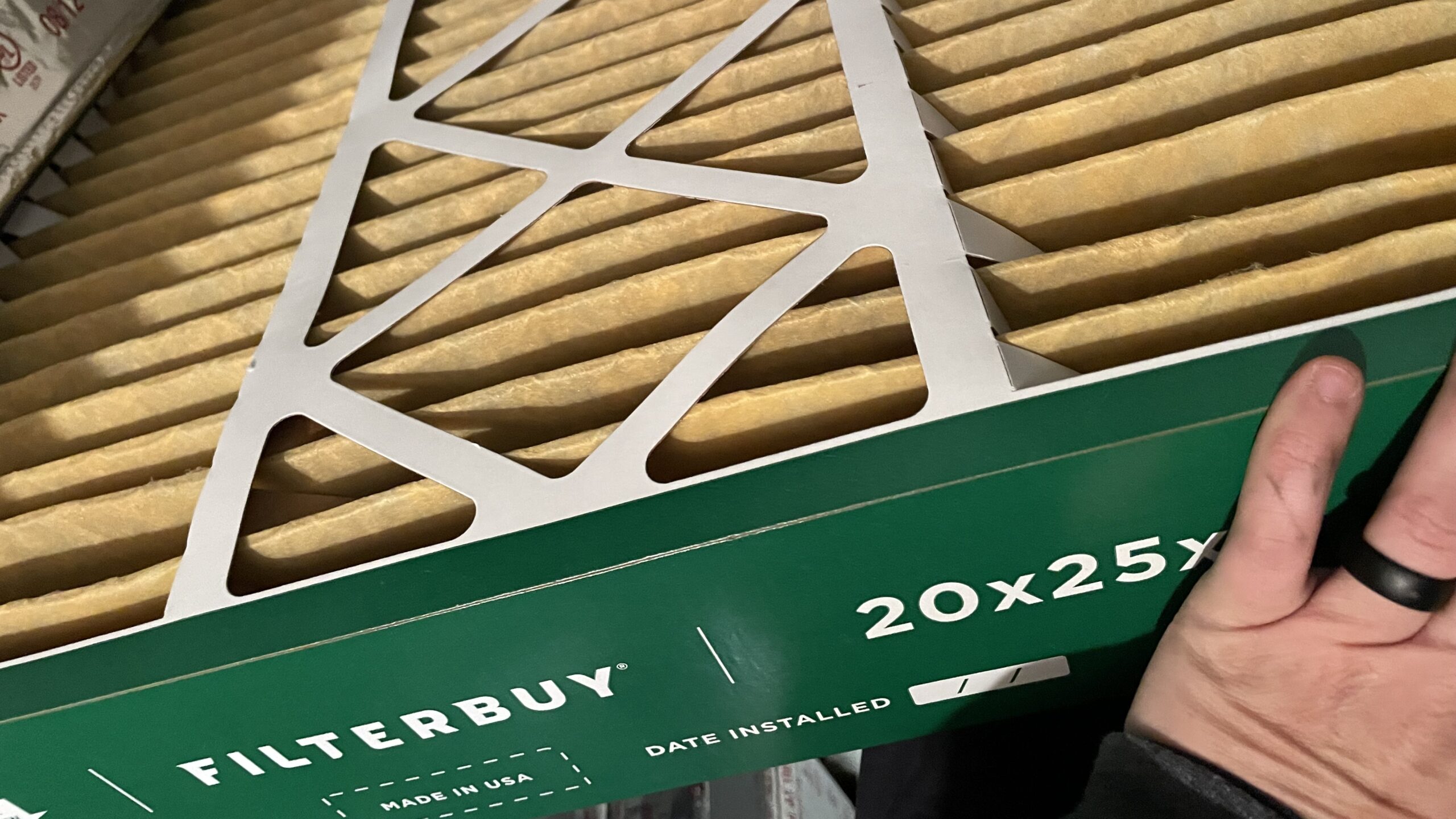
ENERGY STAR says to check the filter every month during heavy-use periods and change it at least every three months, or sooner if it looks dirty. A cleaner filter helps airflow and can reduce dust buildup in the system.
Check whether the filter fits properly
ENERGY STAR notes that filters work best when properly installed so air goes through the filter rather than around it. Gaps around the filter can reduce its effectiveness.
Keep vents clear
Blocked supply or return vents can affect circulation and comfort. Keeping furniture and dust away from vents supports better airflow.
Consider indoor air quality add-ons
The EPA says portable air cleaners and HVAC filters can reduce indoor air pollution, though they do not remove all pollutants. GEM offers indoor air quality services such as filters and purifiers for Rhode Island and Massachusetts homeowners.
Cost factors in Rhode Island and Massachusetts
The cost of addressing HVAC-related allergy issues depends on what the home actually needs and the condition of the home.
Common cost factors include:
- basic filter replacement versus professional maintenance
- whether indoor air quality equipment is added
- system age and condition
- whether airflow or humidity problems are involved
- whether repairs are needed to the air handler or related components
Repair vs. replace: what makes sense?
Repair or maintenance may make sense when the main issue is:
- dirty filtration
- airflow problems
- a system that has simply been neglected
Replacement or upgrades may be worth discussing when:
- the HVAC system is older and struggles to maintain airflow
- indoor air quality complaints continue after maintenance
- the home needs better filtration or purification support
- humidity control is poor
- the system is already being evaluated for broader heating or cooling issues
Allergy issues can be one clue that your HVAC system needs maintenance, indoor air quality improvements, or a broader HVAC evaluation. The right path depends on the age and condition of the system.
When to call a professional in Rhode Island or Massachusetts
Homeowners in Rhode Island or Massachusetts should call a professional when allergy symptoms seem tied to system operation, the home has persistent dust or odors, or the HVAC system may need more than a filter change.
Professional help is especially useful when:
- filters get dirty unusually fast
- airflow is weak
- the home has humidity concerns
- the system has not been serviced recently
- you want to compare filtration, purifier, or humidity-control options
Schedule service with GEM if you want help checking whether your HVAC system, filter setup, or indoor air quality equipment may be adding to spring allergy problems.
Frequently Asked Questions
Can an HVAC system make spring allergies worse?
An HVAC system can make spring allergies worse when dirty filters, dust buildup, poor airflow, or indoor moisture problems keep irritants circulating through the home. The HVAC system is not always the only cause, but it can add to the problem. A filter check and indoor air quality review are practical first steps.
How do I know if my HVAC filter is affecting allergies?
An HVAC filter may be affecting allergies if symptoms seem worse when the system is running, the home feels dusty, or the filter looks dirty quickly. ENERGY STAR says dirty filters slow airflow and allow dust and dirt to build up in the system. Replacing the filter is one of the simplest things a homeowner can do.
What kind of HVAC maintenance may help with spring allergy season?
HVAC maintenance that may help during spring allergy season includes replacing dirty filters, checking airflow, inspecting the system for buildup, and reviewing humidity control or air-cleaning options. GEM also offers indoor air quality services such as filters and purifiers in Rhode Island and Massachusetts.
Do air purifiers and HVAC filters help with indoor allergens?
Air purifiers and HVAC filters can help reduce indoor allergens, but they do not remove all pollutants from indoor air. The EPA says portable air cleaners and HVAC filters can reduce indoor air pollution as a supplement to source control and ventilation. The best setup depends on the home and the type of allergy concerns involved.
When should I call a professional for HVAC-related allergy concerns?
Homeowners in Rhode Island or Massachusetts should call a professional for HVAC-related allergy concerns when the home has persistent dust, weak airflow, odors, humidity issues, or symptoms that seem worse when the system runs. A professional can help determine whether the issue is filtration, maintenance, humidity control, or a broader HVAC problem. GEM provides HVAC and indoor air quality services in Rhode Island and Massachusetts.