
Homeowners can help extend HVAC system life by protecting airflow, keeping equipment clear, using steady thermostat settings, and scheduling professional maintenance before peak heating and cooling demand.
These steps matter in Rhode Island and Massachusetts, where HVAC systems may move from cold winter operation through wet spring weather and into humid summer conditions. Coastal moisture and salt-air exposure may also affect some properties, although those conditions do not apply to every New England home.
Maintenance cannot guarantee a specific equipment lifespan. Installation quality, system type, usage, repairs, home conditions, climate, and maintenance history all affect how long equipment remains serviceable.
Why are high-usage months hard on an HVAC system?
High-usage months can increase HVAC wear because the system runs longer and starts more often to maintain comfort.
Common sources of seasonal strain include:
- Extended periods of heat or cold
- High summer humidity
- Dirty or restrictive filters
- Blocked vents or return grilles
- Outdoor debris around equipment
- Dirty coils
- Leaky ducts
- Large thermostat changes
- Worn electrical or mechanical parts
- Delayed maintenance
A long run cycle during extreme weather does not automatically mean the system is failing. The stronger warning sign is a change in performance, such as weak airflow, new sounds, frequent cycling, leaks, ice, or an inability to reach the thermostat setting.
What should homeowners check before peak season?
Homeowners should check the filter, thermostat, vents, outdoor clearance, and visible equipment condition before peak season begins.
Use this checklist:
- Inspect the filter.
Clean or replace it when dirty and follow the equipment and filter instructions. - Check supply vents and return grilles.
Move furniture, rugs, curtains, and boxes that restrict airflow. - Review thermostat schedules.
Make sure the schedule matches current household routines. - Look around outdoor equipment.
Remove loose leaves, weeds, and light debris without opening the unit. - Check doors and windows.
Look for damaged weatherstripping or obvious gaps. - Run the system before severe weather.
Note weak airflow, unusual sounds, odors, or trouble reaching the setting. - Review service records.
Identify recurring repairs or missed maintenance.
ENERGY STAR recommends professional cooling inspections in spring and heating inspections in fall, before contractors reach their busiest seasons.
Schedule maintenance with GEM before the next stretch of heavy heating or cooling use
How does the filter affect HVAC system life?
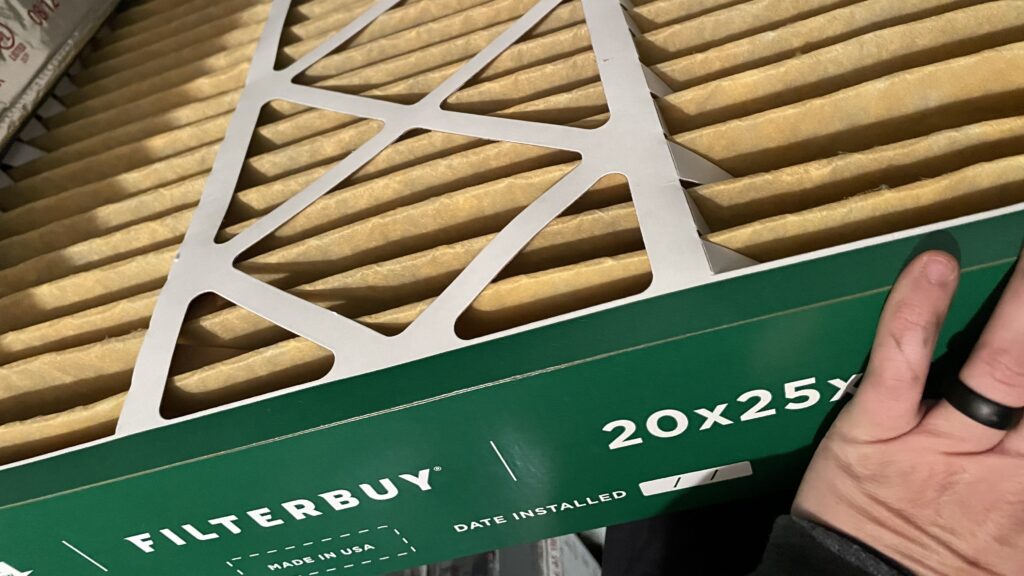
A clean filter supports airflow and helps limit dust buildup inside the HVAC system.
It’s important to check filters every month during heavy winter and summer use. A dirty filter restricts airflow and makes the equipment work harder to heat or cool the home.
The right replacement schedule depends on:
- Filter type
- Manufacturer instructions
- Pets
- Household activity
- Renovation dust
- System runtime
- Indoor-air concerns
Do not assume that a higher-rated or thicker filter is always better. A filter that does not suit the equipment may restrict airflow.
How can homeowners improve airflow safely?
Homeowners can improve HVAC airflow by keeping filters, supply vents, and return grilles clear.
Safe steps include:
- Replace or clean a dirty filter
- Keep vents open unless a professional advises otherwise
- Move furniture away from return grilles
- Remove rugs or curtains blocking registers
- Keep interior doors positioned as recommended for the system
- Look for crushed or disconnected visible flexible ducts
- Keep outdoor equipment clear of loose debris
Do not open equipment panels, adjust blower components, handle refrigerant lines, or reach into moving equipment.
That’s where a professional should take over.
Can thermostat habits reduce HVAC strain?
Steady thermostat schedules can reduce unnecessary HVAC cycling and recovery demand.
Helpful practices include:
- Use a consistent schedule
- Avoid repeatedly changing the setting
- Do not place lamps or heat-producing devices near the thermostat
- Adjust schedules when work or school routines change
- Use vacation settings when appropriate
- Follow manufacturer guidance for heat pumps and advanced controls
A programmable or smart thermostat may make schedules easier to manage, but it cannot correct dirty equipment, leaking ducts, poor insulation, or mechanical problems.
How should outdoor HVAC equipment be maintained?
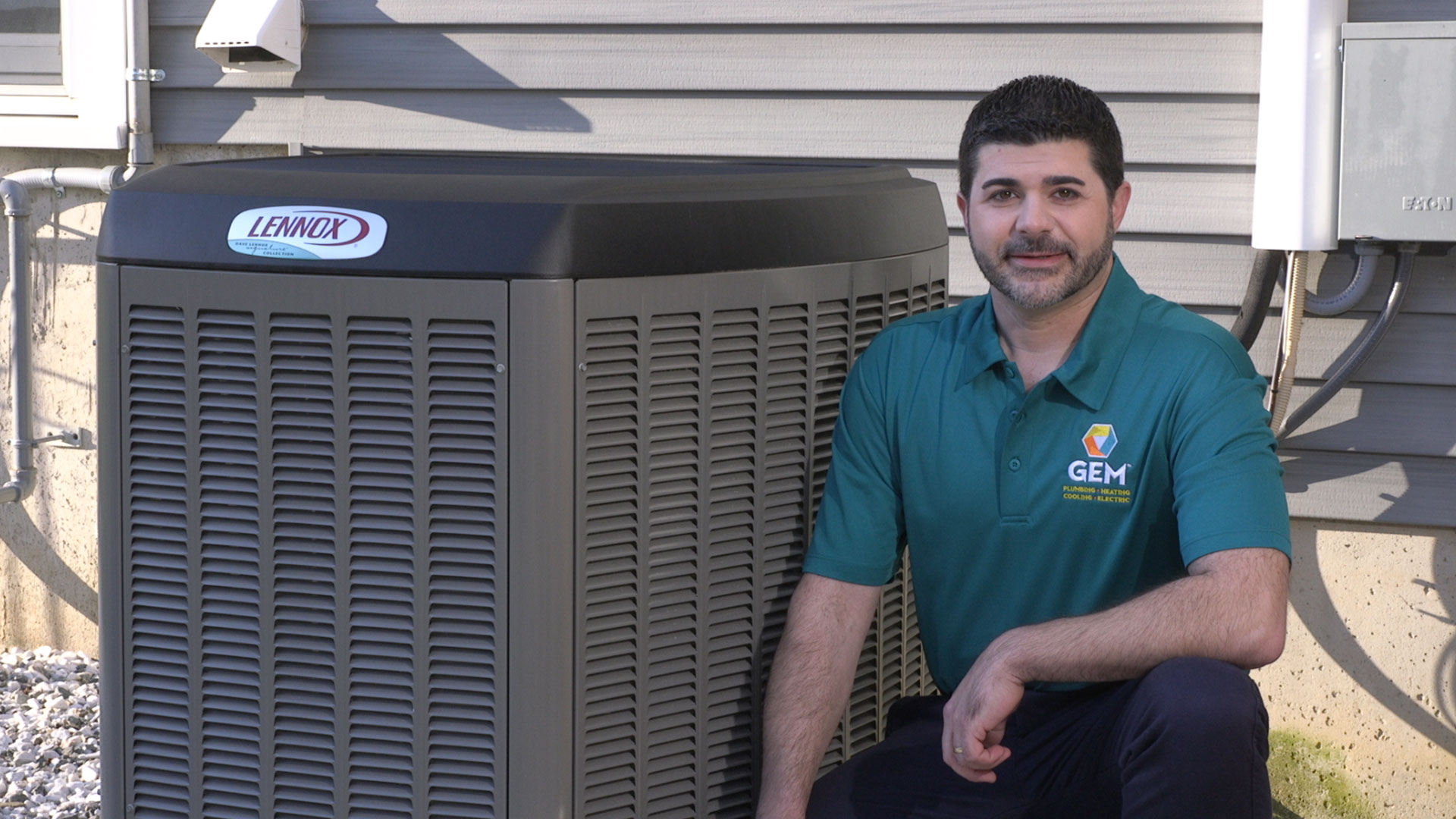
Outdoor HVAC equipment should have clear airflow and should be kept free of loose debris.
Homeowners can:
- Remove leaves and grass clippings from around the cabinet
- Trim nearby plants while maintaining manufacturer clearance
- Keep storage items away from the equipment
- Check for visible storm or yard-work damage
- Avoid directing dryer exhaust or irrigation toward the unit
- Keep snow from blocking heat-pump airflow when safe to do so
Coastal air and salt exposure may affect some Rhode Island, Cape Cod, island, and Massachusetts coastal properties. Property-specific inspection is more useful than assuming every system has coastal corrosion.
Do not remove guards or wash electrical components.
What signs mean an HVAC system needs attention?
An HVAC system needs professional attention when comfort changes are joined by weak airflow, leaks, ice, odors, unusual sounds, or abnormal cycling.
Watch for:
- The home does not reach the thermostat setting
- Some rooms remain much warmer or colder
- Airflow becomes noticeably weaker
- The system starts and stops every few minutes
- Equipment runs much longer than expected
- Water appears near indoor equipment
- Ice forms on accessible components
- A breaker trips repeatedly
- Grinding, squealing, rattling, or buzzing begins
- Burning or unfamiliar odors appear
- Utility usage changes without an obvious household reason
Turn the equipment off when there is smoke, electrical arcing, or another immediate hazard. Do not repeatedly reset a tripping breaker. GEM offers 24/7 emergency HVAC and emergency electrical service.
Can professional maintenance extend HVAC system life?
Professional maintenance can reduce conditions that contribute to avoidable wear, but it cannot guarantee a specific system lifespan.
A maintenance visit may include:
- Inspecting electrical connections
- Checking system controls
- Evaluating airflow
- Inspecting coils
- Checking condensate drainage
- Reviewing thermostat operation
- Checking refrigerant conditions when appropriate
- Identifying worn parts
- Testing startup and shutdown
Annual HVAC tune-ups can support efficiency and comfort, while clean filters help limit dust buildup that may lead to maintenance problems or early failure.
Make Maintenance Easier with GEM’s Home Comfort Club
For homeowners who want a simpler way to stay ahead of routine maintenance, GEM’s Home Comfort Club offers a whole-home membership designed to help keep essential systems running smoothly.
Members receive pre-scheduled maintenance visits, whole-home coverage options, savings on service work, exclusive membership scheduling, and support when unexpected issues arise.
It is a convenient way to plan care for heating, cooling, plumbing, and electrical systems while supporting efficiency, reducing the risk of surprise breakdowns, and helping equipment last longer.
When should an HVAC system be repaired?
HVAC repair may make sense when the failure is isolated, parts are available, and the system otherwise provides dependable comfort.
Repair may be practical when:
- The failed component is replaceable
- Major breakdowns have not become frequent
- The system remains correctly sized
- Airflow and duct conditions are acceptable
- Comfort is generally even
- The repair does not reveal a safety concern
Ask the technician:
- What failed?
- What caused the problem?
- Will the repair restore normal operation?
- What is the condition of the remaining equipment?
- Is the problem likely to return?
- Are parts still available?
When should replacement be considered?
HVAC replacement deserves consideration when repairs repeat, major components fail, or the system no longer meets the home’s comfort needs.
Replacement may be worth comparing when:
- Repair costs are accumulating
- Important parts are unavailable
- Comfort remains uneven
- The system is incorrectly sized
- Refrigerant problems repeat
- Major electrical or duct work is required
- The homeowner wants different controls or efficiency features
A new system will not automatically solve duct leakage, weak insulation, air leakage, or poor equipment sizing. Those conditions should be included in the evaluation.
What affects HVAC costs in Rhode Island and Massachusetts?
HVAC costs depend on the diagnosis, equipment, parts, access, ductwork, electrical needs, and full project scope.
Common cost drivers include:
- Repair type
- Part availability
- Equipment capacity
- Efficiency level
- Refrigerant type
- Duct repairs
- Electrical work
- Thermostat or control upgrades
- Equipment access
- Permit or inspection requirements
- Startup testing
Older New England homes may have additions, tight mechanical spaces, finished basements, or modified ductwork that affects access and airflow.
What New England home conditions affect HVAC wear?
Home age, humidity, salt exposure, insulation, ductwork, and equipment location can affect HVAC wear in Rhode Island and Massachusetts.
Local considerations include:
- Humid summer weather
- Cold winter operation
- Older housing stock
- Finished attics and basements
- Additions with altered duct layouts
- Coastal moisture in some communities
- Outdoor units near salt-air exposure
- Mixed heating and cooling system types
What’s the best high-usage-month HVAC checklist?
The best high-usage-month checklist protects airflow, identifies changes early, and schedules professional maintenance before severe weather.
Use this checklist:
- Check the filter monthly during heavy use
- Keep supply and return vents clear
- Use a steady thermostat schedule
- Keep outdoor equipment free of loose debris
- Check accessible doors and windows for gaps
- Watch for weak airflow or uneven comfort
- Listen for new sounds
- Look for water or ice
- Review utility usage
- Schedule service when performance changes
- Arrange annual preseason maintenance
Schedule HVAC service with GEM before the next stretch of peak heating or cooling demand
Frequently Asked Questions
How can homeowners extend HVAC system life?
Homeowners can help extend HVAC system life by protecting airflow, keeping equipment clear, using steady thermostat schedules, and arranging annual professional maintenance. Maintenance cannot guarantee a specific lifespan, but it can reduce conditions that contribute to avoidable wear.
How often should an HVAC filter be checked?
An HVAC filter should generally be checked every month during heavy heating and cooling use. Replace or clean it when dirty and follow the filter and equipment instructions.
When should Rhode Island and Massachusetts homeowners schedule HVAC maintenance?
Rhode Island and Massachusetts homeowners should generally schedule cooling maintenance before summer and heating maintenance before winter. ENERGY STAR recommends spring cooling inspections and fall heating inspections.
What are signs an HVAC system is being overworked?
Signs an HVAC system may be under excess strain include weak airflow, constant operation, frequent cycling, uneven temperatures, unusual sounds, ice, or water near indoor equipment. Severe weather can cause long cycles, but continued comfort problems need professional evaluation.
Can a dirty filter shorten HVAC system life?
A dirty filter can contribute to HVAC wear by restricting airflow and making the equipment work harder. ENERGY STAR also notes that clean filters help reduce dirt buildup that may lead to maintenance problems or early system failure.
Should homeowners close HVAC vents in unused rooms?
Homeowners should not close multiple HVAC vents without confirming that the system and duct design can handle the change. Closing too many vents may affect pressure and airflow. A qualified technician can recommend a better approach for unused rooms.
When should an HVAC system be repaired instead of replaced?
An HVAC system may be worth repairing when the failure is isolated, parts remain available, and the equipment otherwise provides dependable comfort. Repair history, equipment condition, sizing, and safety should also be considered.
What affects HVAC service costs in Rhode Island and Massachusetts?
HVAC service costs in Rhode Island and Massachusetts depend on the diagnosis, equipment, parts, access, refrigerant, ductwork, electrical needs, permits, and project scope. Older homes and modified duct systems may require additional evaluation.