
Some furnace problems can wait for a normal service appointment. Others deserve much faster attention, especially when dependable heat is lost during a New England cold spell or continued operation may be unsafe.
GEM identifies loss of heat, strange noises, cool air, frequent cycling, and uneven heating as common reasons to call for furnace repair.
For Rhode Island and Massachusetts homeowners, the useful question is not whether every furnace symptom is an emergency. It’s whether the system can still heat the home safely and reliably.
When does a furnace problem become an emergency?
A furnace problem becomes urgent when the home loses essential heat during severe cold or the system shows a safety concern.
The clearest safety warning is a carbon monoxide alarm.
Fuel-burning heating systems can produce carbon monoxide when equipment is installed incorrectly, poorly maintained, or has defective or blocked venting. CO is odorless and colorless.
If a CO alarm sounds, follow the alarm’s emergency directions. Don’t ignore a sounding alarm. Get outside immediately and call 911.
Smoke, visible fire, sparking equipment, or another immediate life-safety condition should also be treated as an emergency first and not as a normal furnace repair call.
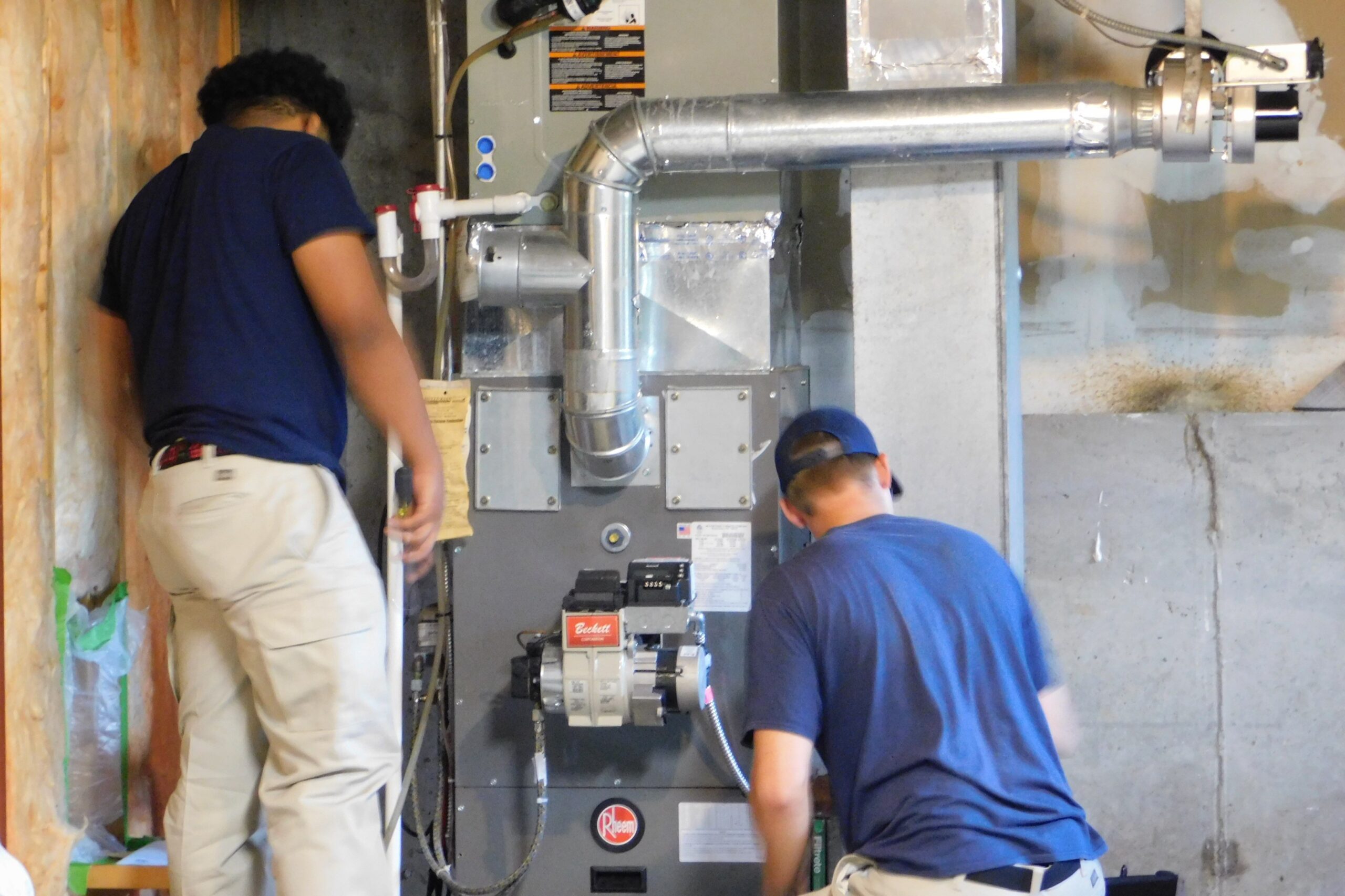
For urgent furnace problems without an active safety hazard, GEM provides same-day and 24/7 emergency HVAC service in Rhode Island and Southeastern Massachusetts.
Is a complete loss of heat an emergency furnace warning sign?
Loss of heat can become urgent when outside temperatures are low enough that the house cannot maintain safe indoor conditions.
Start with only the simple checks you can perform safely:
- confirm the thermostat is set to heat;
- make sure the system has power;
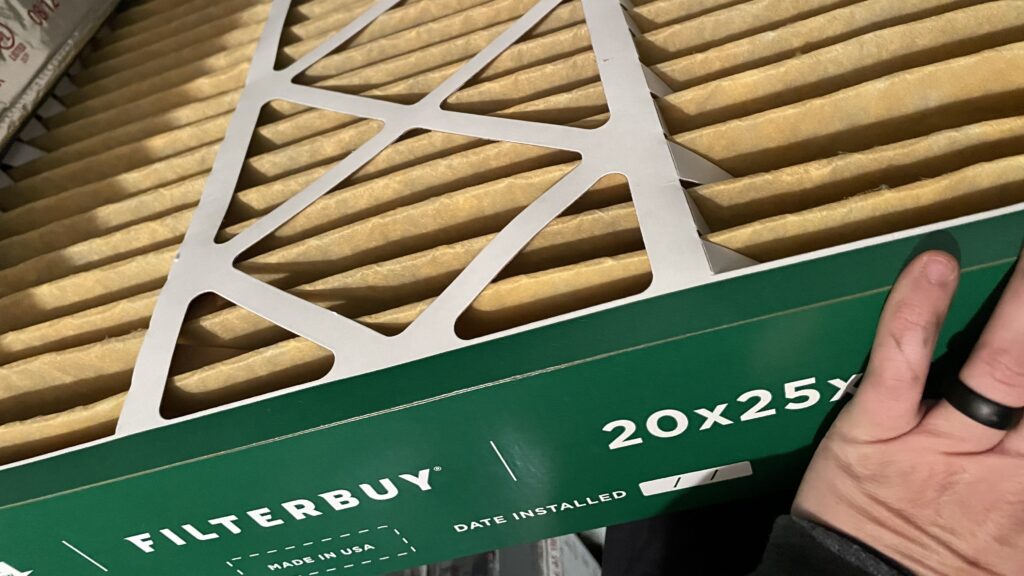
- check whether an accessible filter is heavily clogged;
- note whether the furnace starts and shuts down again.
If those basic checks do not restore dependable heat, repeated resets are not a substitute for diagnosing the failure.
During a Rhode Island or Massachusetts winter, a no-heat condition also becomes more important because other parts of the home can cool quickly.
If basic checks do not restore normal operation, review GEM’s furnace repair services rather than repeatedly restarting an unreliable system.
Why does frequent furnace cycling deserve attention?
A furnace that turns on and off much more often than usual is not operating normally.
Frequent cycling can have several causes, so the symptom alone does not tell you which part is at fault. What it does tell you is that the heating cycle is not proceeding as expected.
Pay closer attention when short cycling appears with:
- poor heating;
- cool air;
- repeated shutdowns;
- unusual noise;
- a system that struggles to reach the thermostat setting.
If the pattern continues, have the furnace evaluated rather than continually raising or lowering the thermostat to compensate.
What if the furnace is blowing cool air?
Cool air from a furnace deserves attention when the system should be delivering heat.
A brief period of cooler air during a normal operating transition is different from a furnace that repeatedly runs without producing useful heat.
The important question is whether the home is actually warming as expected.
If the system runs for long periods but rooms remain cold, or the temperature keeps dropping, arrange service rather than assuming the furnace will correct itself.
You can also review GEM’s broader heating services if it is unclear whether the problem belongs to the furnace itself or another part of the heating system.
Which furnace noises should you not ignore?
A new, loud, or worsening furnace noise is worth investigating because it signals that something about the system has changed.
Listen for whether the sound is:
- new;
- becoming louder;
- present throughout the heating cycle;
- appearing with vibration, poor heating, or shutdowns.
You do not need to diagnose the component by sound. Instead, use the noise as information for the technician. Note when it happens and what the furnace is doing at the time.
If the sound comes with smoke, scorching, or another immediate safety issue, shut the system down if it is safe to do so and treat the safety concern first.
Should uneven heating be treated as an emergency?
Uneven heating is usually a repair warning sign rather than an emergency by itself.
The concern becomes more urgent when uneven heating is part of a larger failure. For example, when several rooms are becoming unusually cold, the furnace cannot maintain the thermostat setting, or the system keeps shutting down.
Rhode Island and Massachusetts have many established homes with different layouts, additions, and mixed system ages. The cause of one cold room may be very different from the cause of whole-home heating loss.
If uneven heating is new or worsening, have the system checked instead of relying only on space heaters to compensate.
What should you do if a carbon monoxide alarm sounds?
Never ignore a carbon monoxide alarm. A CO alarm should be treated as a safety warning, not as a furnace symptom to troubleshoot casually.
CO alarms should be on every level of the home and outside sleeping areas. Monthly testing is recommended.
If the alarm sounds:
- Follow the alarm manufacturer’s emergency directions.
- Leave the home when instructed.
- Call emergency services as directed.
- Do not restart fuel-burning heating equipment simply to see whether the alarm sounds again.
The furnace or other fuel-burning equipment should be evaluated before normal operation resumes.
When should repeated furnace repairs lead to a replacement discussion?
Repeated furnace failures can justify looking beyond the immediate repair.
That does not mean an older furnace automatically needs replacement. The better decision considers the system’s condition, repair history, heating performance, and what the current repair involves.
Ask two different questions:
What failed today?
and
What does the furnace’s overall condition suggest about the next few heating seasons?
Those answers help separate a reasonable repair from a system that may deserve a broader replacement conversation.
If your furnace has started needing repeated work, review furnace replacement options alongside the repair recommendation rather than deciding from age alone.
What are the warning signs to check before the next cold spell?
Focus on changes in behavior.
A quick furnace check should answer:
- Does it start and complete a heating cycle normally?
- Is the home reaching the thermostat setting?
- Is the airflow warm and consistent?
- Has cycling become noticeably more frequent?
- Are there new noises?
- Are smoke and CO alarms working?
Cold New England weather makes reliable heat important, but it does not turn every odd sound into an emergency.
The useful dividing line is whether the furnace is still operating safely and providing dependable heat.
Is your furnace is repeatedly shutting down, blowing cool air, failing to keep the home warm, or showing several warning signs at once? Schedule service with GEM and we’ll identify the underlying cause.
Frequently Asked Questions
What are the main emergency furnace repair warning signs?
Emergency furnace repair warning signs include loss of dependable heat during severe cold, repeated shutdowns, frequent cycling, cool air, new abnormal noises, and any carbon monoxide alarm. A CO alarm, smoke, or fire should be handled as a safety event before routine furnace troubleshooting.
Is a furnace that stops heating an emergency?
A furnace that stops heating can become an urgent problem when winter temperatures make safe indoor heat difficult to maintain.
Check only safe basics first. If dependable heat does not return, schedule repair.
Why does my furnace keep turning on and off?
A furnace that repeatedly turns on and off is showing abnormal cycling and may need professional diagnosis. Frequent cycling is a warning sign that can justify furnace repair. If the cycling appears with poor heating, cool air, or shutdowns, schedule service rather than continually adjusting the thermostat.
Why is my furnace blowing cool air?
A furnace blowing cool air when it should be heating the home can indicate that the system is not producing or delivering heat normally. If the home temperature keeps falling or the system repeatedly cycles without warming the space, arrange a professional evaluation.
Should I worry about strange furnace noises?
A new or worsening furnace noise deserves attention because it signals a change in operation. The concern is greater when the noise comes with poor heating, shutdowns, smoke, scorching, or another safety warning.
What should I do if my carbon monoxide alarm sounds?
A carbon monoxide alarm should be treated as a safety warning. Never ignore a sounding alarm. Get outside immediately and call 911. Do not restart a furnace, boiler, generator, or other fuel-burning appliance simply to see whether the alarm sounds again.
Is uneven heating a sign that my furnace needs repair?
Uneven heating can indicate a furnace or heating system problem, especially when the change is new. Rooms that do not heat evenly are a common furnace repair concern. Uneven heating is usually less urgent than total heat loss unless it appears with other signs of system failure.
When should I repair versus replace my furnace?
A furnace repair-versus-replacement decision should consider the current failure and the system’s overall condition. Ask what failed today, whether the issue is recurring, and what the technician sees in the rest of the system before deciding.
Does GEM provide emergency furnace repair in Rhode Island and Massachusetts?
GEM offers same-day and 24/7 emergency furnace service across Rhode Island and Southeastern Massachusetts.