
Summer sewer smells often begin with a dry drain trap, food residue, soap buildup, or a developing clog. A recurring odor can also point to a failed seal, blocked vent, damaged pipe, or sewer-line problem that needs professional plumbing service.
Homeowners can safely clean accessible drain parts, run water into rarely used fixtures, and keep grease and debris out of sinks. Persistent smells, gurgling, backups, or several slow drains are signs to stop troubleshooting and call a plumber for drain cleaning.
For Rhode Island and Massachusetts homeowners, humid summer weather may make an existing plumbing odor easier to notice. Older homes in Providence, Newport, Boston, Worcester, Plymouth, and other established communities may also have floor drains, renovated plumbing, mature trees, or mixed pipe materials that affect drainage.
Why do some drains smell worse in summer?
Drain odors may become more noticeable in summer when warm conditions, organic buildup, and infrequently used fixtures combine.
Common causes include:
- A dry drain trap
- Food residue in a kitchen drain
- Soap or hair buildup
- A slow or partial clog
- A dirty garbage disposal
- A damaged fixture seal
- A blocked plumbing vent
- A leaking connection
- A sewer-line problem
- A private septic-system concern
A drain trap is the curved pipe beneath many fixtures. Water held in the trap forms a barrier between the room and the drainage system. Dry drain traps are a possible path for sewer gas to enter a building.
Warm weather does not create every drain odor. It may simply make an existing problem easier to notice.
What drain cleaning tips are safe for homeowners?
Homeowners can safely remove accessible debris, clean stoppers and strainers, refill dry traps, and monitor how the drain behaves.
Use this checklist:
- Identify the affected fixture.
Determine whether the smell comes from one sink, one shower, a floor drain, or several fixtures. - Remove visible debris.
Clean hair, food, soap residue, and surface buildup from accessible strainers or stoppers. - Run water into rarely used drains.
Guest bathrooms, basement floor drains, utility sinks, and unused showers may have dry traps. - Clean accessible surfaces.
Wash the basin, stopper, strainer, and accessible overflow area with a product approved for the material. - Watch the drainage speed.
Note whether water drains slowly or another fixture gurgles. - Check whether the odor returns.
A recurring smell may point to a deeper clog, seal failure, venting problem, or sewer-line issue.
Do not reach into a drain after a chemical cleaner has been used. Tell the plumber which product was added and when.
How can a dry drain trap cause a sewer smell?
A dry drain trap can allow sewer gas into the room because the normal water barrier is missing. Run water into the fixture to refill the trap.
Dry traps may occur in:
- Guest bathrooms
- Basement floor drains
- Utility sinks
- Seasonal homes
- Unused showers
- Laundry rooms
- Mechanical spaces
Call a plumber if the smell returns quickly. Possible causes include:
- A leaking trap
- A damaged connection
- A failed seal
- A venting problem
- A cracked pipe
- Pressure changes in the drainage system
- A sewer-line concern
Repeatedly masking the odor does not correct the underlying problem.
How should kitchen drains be maintained?
Kitchen drain maintenance should focus on keeping grease, food scraps, and fibrous waste out of the pipe.
Helpful habits include:
- Scrape plates into the trash
- Use a sink strainer
- Wipe grease from pans before washing
- Keep cooking oil out of the drain
- Use the garbage disposal only as directed
- Clean accessible disposal components
- Avoid sending large amounts of food through the disposal
- Address slow drainage before the sink stops completely
Grease may enter the drain as a liquid and collect farther down the pipe as it cools. Food residue can stick to that buildup and contribute to odors and clogs.
Do not assume that boiling water will clear a deeper blockage. The safe approach depends on the pipe material, fixture, and cause of the restriction.
How should bathroom drains be maintained?
Bathroom drain maintenance should include removing visible hair and soap buildup before it creates a bigger issue further down the drain.
Check:
- Sink stoppers
- Tub strainers
- Shower covers
- Pop-up assemblies
- Hair catchers
- Accessible overflow openings
Warning signs include:
- Water pooling during a shower
- A sink taking longer to empty
- Gurgling after drainage
- Odor returning after cleaning
- Bubbles appearing in another fixture
Clean only parts designed for homeowner access. Do not disassemble concealed piping or vents without the right training and tools.
Does baking soda and vinegar clear a clogged drain?
Baking soda and vinegar may loosen light surface residue, but the mixture is not a reliable repair for a deep clog, failed seal, damaged pipe, or sewer-line problem.
A safer process is:
- Remove visible debris
- Refill a possibly dry trap
- Use only a fixture-safe product as directed
- Never combine treatments
- Watch whether the problem returns
- Call a plumber for recurring symptoms
Never mix vinegar or another acid with bleach. Mixing bleach with acid can release chlorine gas, which can injure the eyes and respiratory system.
Are chemical drain cleaners safe?
Chemical drain cleaners can be corrosive and require careful handling.
Poison Control notes that many drain cleaners contain concentrated acidic or basic chemicals that may cause serious burns and permanent tissue damage if mishandled. Mixing bleach with ammonia or an acid can create toxic gas.
Before using any product:
- Read the full label
- Follow the stated directions
- Wear required protection
- Keep children and pets away
- Ventilate as directed
- Never mix products
- Do not exceed the recommended amount
- Do not plunge or disassemble the drain unless the label permits it
If exposure occurs, follow the product label and contact Poison Control or emergency services based on the symptoms.
What signs mean a drain needs professional service?
A drain problem needs professional service when odors persist, several fixtures are affected, wastewater backs up, or the system behaves abnormally.
Call a plumber when you notice:
- Several slow drains
- Gurgling toilets, sinks, or tubs
- Water entering another fixture
- Sewage in a shower, tub, or floor drain
- A recurring sewer odor
- A drain that repeatedly clogs
- Water around the base of a toilet
- Dampness near concealed plumbing
- An odor that returns after refilling a trap
- A suspected sewer-line or vent problem
Stop using affected fixtures when wastewater is backing up.
Schedule service with GEM when odors return or several drains slow down together
Is every rotten-egg smell caused by a drain?
A rotten-egg smell is not always caused by a drain, so note where and when the odor appears.
Check whether the smell occurs:
- Near one drain
- Only when hot water runs
- Near several fixtures
- Near a basement floor drain
- After a toilet flush
- After a washing machine drains
- Near a private wastewater system
- Throughout the home
Unknown household odors can come from drains, backed-up pipes, mold, chemicals, spoiled food, appliances, or other sources. Poison Control also notes that some dangerous fumes, including carbon monoxide, have no smell.
Leave the area and seek emergency help if an unknown odor appears with:
- Trouble breathing
- Dizziness
- Eye irritation
- Nausea
- Chest discomfort
- Sudden weakness
Do not rely only on smell to decide whether an area is safe.
When does a drain need cleaning instead of repair?
Drain cleaning may be appropriate when buildup or a removable clog is restricting flow and the pipe remains structurally sound.
Cleaning may fit when:
- One fixture drains slowly
- Hair or soap buildup is suspected
- Grease or food residue is restricting a branch line
- A removable obstruction is present
- Inspection shows buildup without pipe damage
Repair or replacement may be needed when:
- The pipe is cracked
- A joint leaks
- The line has shifted
- Corrosion has weakened the pipe
- Roots repeatedly enter a damaged section
- A trap or seal has failed
- A vent is damaged
- A sewer line has collapsed
Cleaning removes an obstruction. It does not repair broken or leaking piping.
What does professional drain cleaning involve?
Professional drain cleaning starts with identifying the affected line and choosing a method suited to the blockage and pipe condition.
Service may include:
- Reviewing which fixtures are affected
- Testing drainage behavior
- Inspecting accessible plumbing
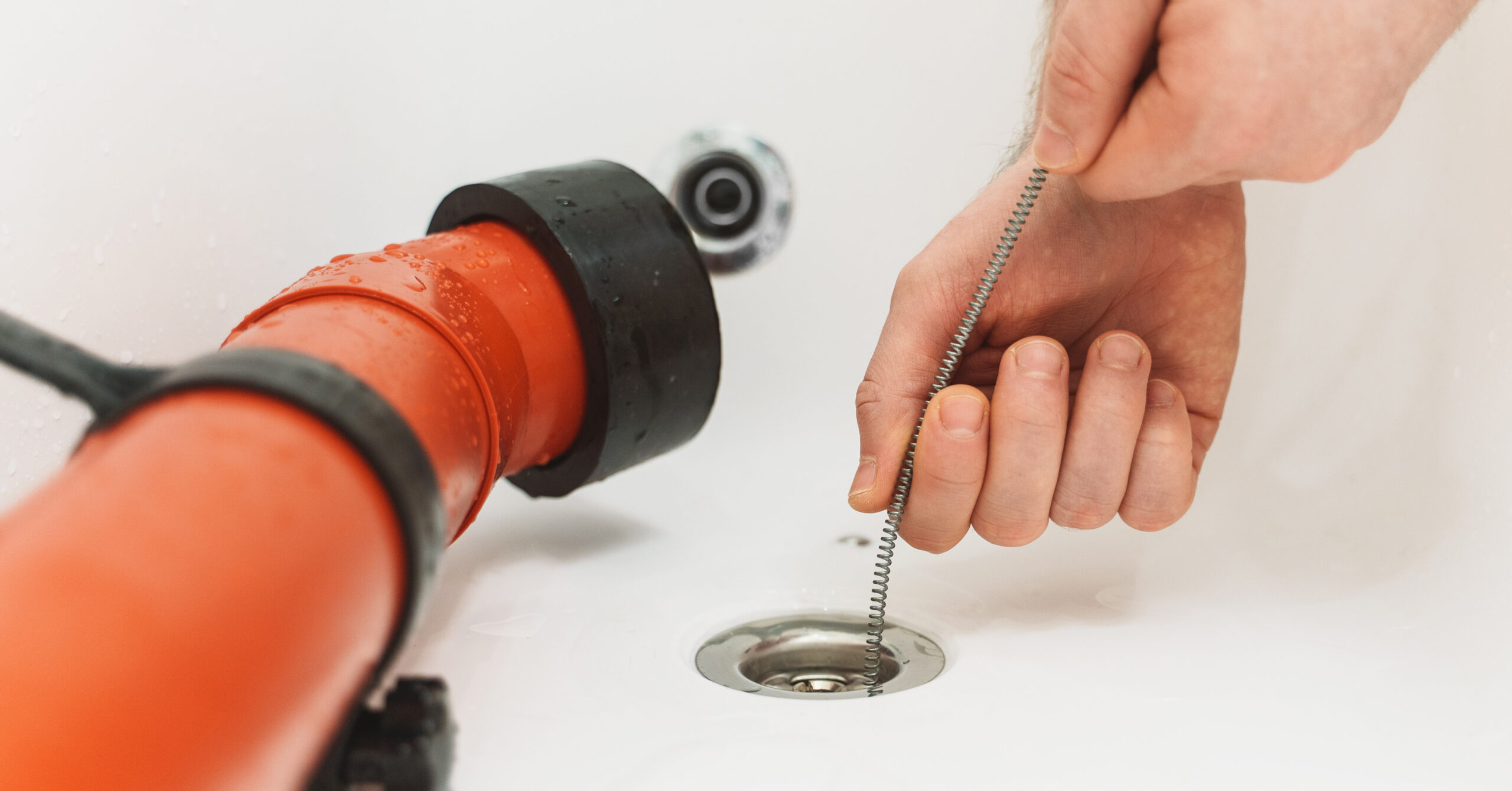
- Using a drain cable or auger
- Clearing buildup from a branch line
- Inspecting a sewer line with a camera
- Checking for roots or structural damage
- Confirming flow after service
The right method depends on the pipe material, blockage, access, and overall condition.
What affects drain cleaning costs?
Drain cleaning costs depend on the affected line, blockage location, severity, access, equipment, and whether inspection or repair is needed.
Cost drivers include:
- Which fixture or line is affected
- Whether one or several drains are involved
- Blockage depth
- Pipe access
- Grease, scale, roots, or foreign objects
- Camera inspection
- Specialized cleaning equipment
- Pipe material and condition
- Structural damage
- Required cleanup
An accessible sink clog is different from a main sewer-line obstruction.
What local New England conditions can affect drains?
Home age, pipe condition, tree growth, property layout, and wastewater-system type can affect drains in Rhode Island and Massachusetts.
Local considerations include:
- Older cast-iron or galvanized piping
- Renovated kitchens and bathrooms
- Basement floor drains
- Mature trees near buried sewer lines
- Public sewer or private septic service
- Finished basements
- Long sewer laterals
- Seasonal rain and groundwater conditions
- Coastal moisture in some areas
Tree-root intrusion should not be assumed from the property alone. A camera inspection may be needed to confirm it.
What is the best summer drain maintenance checklist?
The best summer drain maintenance routine keeps debris out, keeps traps wet, and addresses slow drainage before a backup occurs.
Use this checklist:
- Clean sink and shower strainers
- Remove accessible hair and soap buildup
- Run water into rarely used drains
- Keep grease and food scraps out of sinks
- Use garbage disposals only as directed
- Watch for slow drainage
- Listen for gurgling
- Check for moisture near fixtures
- Never mix drain-cleaning chemicals
- Schedule service when odors or clogs return
- Stop using fixtures when wastewater backs up
Schedule plumbing service with GEM when recurring odors, slow drains, or backups point to a deeper problem
Frequently Asked Questions
Why does my drain smell like a sewer in summer?
A drain may smell like a sewer in summer because the trap is dry, organic buildup is present, or the plumbing system has a clog, vent, seal, or sewer-line problem. Warm weather may make the odor easier to notice, but it does not identify the cause.
Can a dry drain trap cause a sewer smell?
A dry drain trap can cause a sewer smell because the missing water barrier no longer blocks gas from the drainage system. EPA identifies dry drain traps as a possible route for sewer gas to enter a building.
How can homeowners prevent kitchen drain odors?
Homeowners can help prevent kitchen drain odors by keeping grease and food scraps out of the sink, using a strainer, cleaning accessible disposal parts, and addressing slow drainage early. Repeated odor may indicate buildup deeper in the line.
How can homeowners prevent bathroom drain smells?
Homeowners can help prevent bathroom drain smells by removing accessible hair and soap residue, cleaning stoppers and strainers, and keeping rarely used traps filled with water. Persistent odor may point to a failed seal, venting problem, or deeper clog.
Is baking soda and vinegar a reliable drain cleaner?
Baking soda and vinegar are not a reliable repair for a deep clog, damaged pipe, broken seal, or sewer-line problem. The reaction may loosen light surface residue, but recurring symptoms need diagnosis.
Are chemical drain cleaners safe?
Chemical drain cleaners can be corrosive and may cause serious burns when mishandled. Follow the label, never mix products, and tell the plumber if a chemical has already been added.
When does a smelly drain need professional service?
A smelly drain needs professional service when the odor returns, several drains are slow, fixtures gurgle, wastewater backs up, or sewage is visible. Those signs may point to a deeper clog, venting problem, failed seal, or sewer-line concern.
When does a drain need repair instead of cleaning?
A drain may need repair instead of cleaning when the pipe is cracked, leaking, corroded, shifted, collapsed, or repeatedly affected by roots through damaged sections. Cleaning removes a blockage but does not repair structural damage.
What affects drain cleaning cost?
Drain cleaning cost depends on the affected line, blockage location, access, pipe condition, inspection needs, equipment, and whether repair is required. A professional diagnosis is needed before defining a reliable scope.