Commercial drain systems work quietly in the background until something goes wrong. A blocked sink, overflowing floor drain, or wastewater backup can quickly affect employees, customers, tenants, equipment, and normal business operations.
For facility managers and commercial property owners, drain problems can lead to:
- Operational downtime
- Sanitation concerns
- Water damage
- Employee and customer complaints
- Emergency plumbing expenses
- Damage to inventory, finishes, or equipment
- Temporary closure of essential areas
Most serious drain problems do not appear without warning. Slow drainage, recurring odors, gurgling fixtures, and frequent clogs often indicate that buildup or damage is already affecting the system.
A proactive commercial drain maintenance strategy can help your business identify problems earlier, schedule service around operating hours, and reduce the risk of unexpected disruptions. Here are eight common mistakes facilities make and how to avoid them.
1. Waiting Until a Drain Emergency Occurs
One of the most costly commercial drain maintenance mistakes is waiting until a system has already failed.
Many facilities do not schedule drain service until:
- A sink will not drain
- A toilet repeatedly overflows
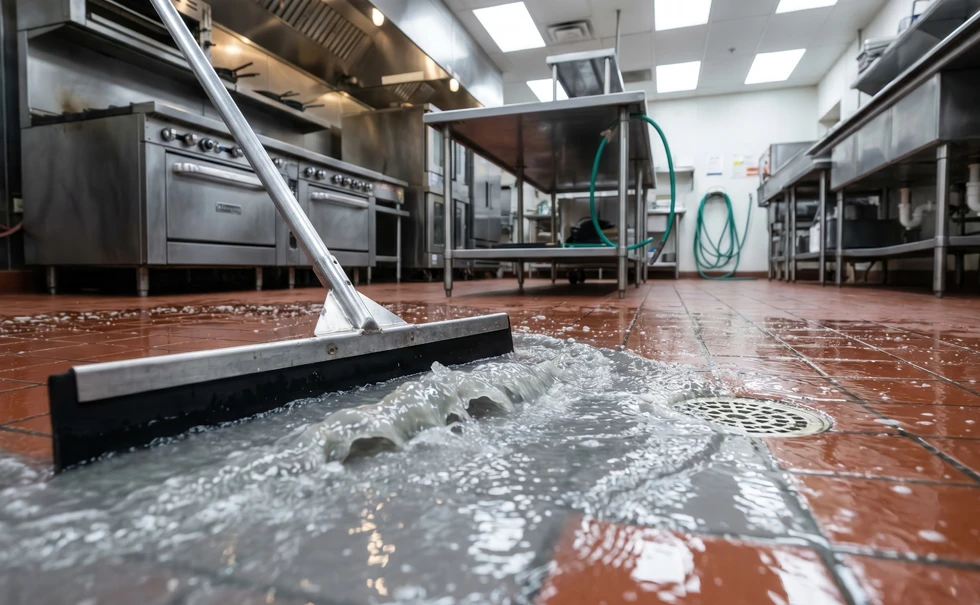
- A floor drain backs up
- Wastewater enters an occupied area
- A restroom or kitchen must be closed
- Sewer odors become impossible to ignore
By that point, the underlying restriction may have been developing for months. Grease, sediment, mineral scale, soap residue, food particles, and other materials can gradually narrow a pipe until normal water flow is no longer possible.
Watch for Early Warning Signs
Potential signs of a developing commercial drain problem include:
- Water draining more slowly than usual
- Frequent clogs in the same fixture
- Gurgling sounds from sinks, toilets, or floor drains
- Unpleasant odors near drain openings
- Water collecting around floor drains
- Backups affecting multiple fixtures
- Drain performance that worsens during peak use
These symptoms should be treated as an opportunity for early intervention, not as minor inconveniences.
Create a Preventive Drain Maintenance Schedule
Routine drain service helps identify and address problems before they interrupt operations.
A commercial drain maintenance plan may include:
- Scheduled drain cleaning
- Floor drain inspection and cleaning
- Grease line maintenance
- Hydro jetting when appropriate
- Video camera inspections
- Exterior drain and catch basin cleaning
- Documentation of recurring problem areas
- Service planning around business operations
The right schedule depends on the property type, occupancy, operating hours, and demands placed on the plumbing system. A restaurant, healthcare facility, warehouse, school, office building, and industrial property may each require a different maintenance approach.
GEM can help you develop a drain maintenance plan based on your facility’s actual use and system condition. Contact GEM today
2. Ignoring Slow or Recurring Drains
A drain does not need to be completely blocked to indicate a problem.
Slow drainage is often one of the first signs that material is collecting inside the pipe. Water may still pass through, but the line’s available capacity continues to shrink as buildup increases.
Common materials found in commercial drain lines include:
- Fats, oils, and grease
- Food particles
- Soap and cleaning residue
- Hair and personal care products
- Mineral deposits
- Dirt and sediment
- Paper products and wipes
- Debris from facility operations
A clog that repeatedly returns may indicate that the blockage is deeper in the line or that the pipe is affected by another condition.
Address Drainage Changes Early
Facility teams should encourage employees, tenants, and maintenance personnel to report drainage changes promptly.
Professional drain service may be appropriate when:
- The same fixture repeatedly becomes clogged
- Multiple drains are moving slowly
- Water backs up into another drain
- Gurgling occurs when nearby fixtures are used
- Odors return after routine cleaning
- Drain performance changes suddenly
- A clog returns shortly after being cleared
Addressing a partial restriction is often less disruptive than responding after a complete blockage affects occupied areas.
3. Relying on Chemical Drain Cleaners
Chemical drain cleaners may appear to offer a quick solution, especially when a business needs to restore a fixture quickly. However, they rarely provide a complete commercial drain cleaning solution.
A chemical product may create a narrow opening through part of a blockage without removing the material coating the pipe walls. This can produce temporary improvement while leaving the underlying buildup in place.
Repeated use may also:
- Contribute to pipe deterioration
- Damage certain seals or fittings
- Create strong or hazardous fumes
- Increase the risk of chemical splashing
- Leave chemicals trapped behind a blockage
- Create safety concerns for employees
- Complicate later professional service
- Delay diagnosis of a more serious issue
Chemical cleaners should never be mixed, as combining products may create dangerous reactions.
Select the Right Commercial Cleaning Method
Commercial plumbing systems may require professional equipment and a cleaning method suited to the pipe and blockage.
Depending on the system, a technician may recommend:
- Mechanical drain snaking
- Specialized cutting tools
- Drain line flushing
- Hydro jetting
- Video camera inspection
- Repair of a damaged pipe section
Hydro jetting uses controlled, high-pressure water to clean buildup from the interior walls of a drain line. It may be appropriate for removing:
- Grease
- Sludge
- Sediment
- Organic material
- Mineral scale
- Recurring buildup
The correct approach depends on the pipe material, age, diameter, condition, and cause of the blockage. Professional evaluation helps ensure the method is appropriate for the system.
4. Neglecting Grease Management
Fats, oils, and grease are among the leading causes of commercial drain blockages.
Restaurants and food-service businesses face the greatest risk, but grease can also affect:
- Healthcare facilities
- Schools and universities
- Hotels
- Senior living communities
- Corporate cafeterias
- Entertainment venues
- Grocery stores
- Institutional kitchens
Grease often enters a drain while it is warm and fluid. As it cools, it solidifies and adheres to the pipe walls. Food particles and other debris then become trapped in the buildup, gradually restricting flow.
This can lead to:
- Slow kitchen drains
- Recurring grease line clogs
- Persistent odors
- Grease trap overflows
- Wastewater backups
- Sanitation concerns
- Disruptions during peak operating hours
Even a facility with a grease trap can experience problems if the equipment is overfilled, damaged, undersized, or not serviced frequently enough.
Develop a Complete Grease Management Plan
A strong grease management program combines employee practices with routine professional maintenance.
Recommended procedures may include:
- Scraping food waste into approved containers
- Collecting cooking oil separately
- Keeping grease out of sinks and floor drains
- Using sink strainers where appropriate
- Training kitchen and custodial employees
- Posting disposal instructions near sinks
- Inspecting grease traps regularly
- Scheduling grease trap cleaning
- Maintaining service records
- Cleaning grease lines before buildup becomes severe
Facilities should review service frequency during periods of heavier food production or increased occupancy.
5. Skipping Drain Camera Inspections
Recurring drain problems are not always caused by ordinary buildup.
Commercial piping may be affected by hidden conditions such as:
- Cracked pipes
- Corrosion
- Misaligned connections
- Tree root intrusion
- Sagging pipe sections
- Partially collapsed lines
- Foreign objects
- Construction debris
- Severe grease or mineral accumulation
Without a clear view inside the pipe, a facility may continue treating the same symptom while the underlying cause remains unresolved.
Use Video Inspections for More Accurate Diagnosis
A commercial drain camera inspection provides a real-time view of the pipe interior.
This technology can help technicians:
- Locate a blockage
- Identify the type of obstruction
- Inspect visible pipe condition
- Detect cracks or separated sections
- Find root intrusion
- Evaluate recurring trouble spots
- Determine whether cleaning or repair is appropriate
Camera inspections can also help facility managers:
- Avoid unnecessary exploratory work
- Plan repairs around operating schedules
- Develop more accurate maintenance budgets
- Document the condition of underground piping
- Prioritize repairs based on system condition
- Evaluate plumbing during renovations or property acquisition
Better information leads to more targeted recommendations and fewer repeat service calls.
6. Forgetting About Floor Drains
Floor drains are essential in many commercial environments, but they are often overlooked because they may receive little use during normal operations.
They can become critical during:
- Equipment leaks
- Plumbing failures
- Cleaning procedures
- Boiler or mechanical system issues
- Heavy water use
- Sprinkler discharge
- Storm-related water intrusion
Over time, floor drains can collect:
- Dirt and dust
- Sediment
- Grease
- Soap residue
- Mop water contaminants
- Production debris
- Small trash or packaging materials
Floor drain traps can also dry out when drains are not used regularly, allowing sewer odors to enter the building.
Add Floor Drains to Facility Checklists
Floor drains may be located in:
- Commercial kitchens
- Mechanical rooms
- Boiler rooms
- Warehouses
- Restrooms
- Locker rooms
- Laundry areas
- Manufacturing spaces
- Healthcare facilities
- Parking garages
- Loading zones
Routine floor drain checks should include:
- Removing visible debris
- Confirming the drain is accessible
- Testing drainage speed
- Investigating standing water
- Addressing persistent odors
- Checking for nearby leaks
- Scheduling professional cleaning
- Documenting recurring performance issues
Facility teams should also avoid placing boxes, shelving, equipment, or stored materials over drains that may be needed during an emergency.
7. Failing to Train Employees and Contractors
Drain maintenance is not only a plumbing responsibility. Everyday disposal habits throughout a commercial property can have a major effect on system performance.
Employees, tenants, contractors, cleaning crews, and visitors may unknowingly place problematic materials into sinks, toilets, or floor drains.
Common examples include:
- Fats, oils, and grease
- Food scraps
- Paper towels
- Cleaning wipes
- Feminine hygiene products
- Personal care items
- Shop towels and rags
- Packaging materials
- Construction debris
- Chemicals not approved for drain disposal
Even products labeled as flushable may accumulate inside commercial piping and contribute to blockages.
Establish Clear Drain Use Standards
Simple, consistent training can help reduce preventable problems.
Facilities can improve drain habits by:
- Posting disposal instructions near sinks and toilets
- Providing clearly labeled waste containers
- Training kitchen and custodial teams
- Reviewing procedures with outside contractors
- Including drain guidance in employee onboarding
- Identifying materials that require special disposal
- Establishing a process for reporting drain problems
- Encouraging early reporting of odors, leaks, and slow drainage
Employees do not need to diagnose plumbing problems. They simply need to know what should stay out of the drain and who to contact when performance changes.
8. Overlooking Seasonal Drain Maintenance
Commercial properties throughout Rhode Island and Massachusetts experience seasonal conditions that can place additional pressure on drainage systems.
Heavy rainfall, falling leaves, snow, ice, freezing temperatures, and spring thaw can affect:
- Exterior drains
- Catch basins
- Parking areas
- Loading zones
- Floor drains
- Underground piping
- Roof drainage connections
Outdoor drain openings can become restricted by:
- Leaves
- Mulch
- Trash
- Gravel
- Sediment
- Snow
- Ice
- Landscaping debris
Seasonal changes may also affect building use. Restaurants, healthcare properties, retail facilities, schools, and other businesses may experience periods of increased occupancy or heavier plumbing demand.
Prepare Before High-Risk Seasons
Seasonal drain maintenance may include:
- Clearing exterior drain openings
- Cleaning catch basins
- Removing leaves and sediment
- Inspecting floor drains
- Evaluating areas with a history of flooding
- Checking loading docks and parking structures
- Reviewing exposed piping before cold weather
- Scheduling cleaning before high-use periods
- Confirming emergency plumbing procedures
Preparing in advance is far more manageable than addressing a blocked drain after water has already entered the facility.
Build a More Reliable Commercial Drain Maintenance Program
Commercial drain systems support sanitation, employee safety, equipment performance, and daily operations. When maintenance is postponed, a developing restriction can become an expensive and highly visible facility problem.
A proactive maintenance strategy can help your business:
- Reduce backups and overflows
- Minimize emergency service calls
- Protect equipment, inventory, and finishes
- Improve system reliability
- Identify damaged or aging piping
- Extend the life of plumbing infrastructure
- Coordinate maintenance around business hours
- Reduce disruption for employees, tenants, and customers
The most effective plans combine professional drain cleaning, accurate diagnostics, employee education, and service intervals based on actual facility demands.
Our commercial drain services include:
- Routine drain cleaning
- Hydro jetting
- Drain camera inspections
- Floor drain cleaning
- Grease line service
- Troubleshooting recurring blockages
- Preventive maintenance planning
- Commercial plumbing support
- Emergency drain service
Our team takes a practical, thorough approach to commercial drain concerns. We evaluate the system, explain what we find, and recommend the appropriate next step based on the condition of the piping and the needs of the facility.
Don’t wait for a developing drain problem to interrupt operations. Contact GEM to schedule commercial drain service or discuss a preventive maintenance plan today
Frequently Asked Questions
Commercial Drain Maintenance
How often should a commercial property schedule drain maintenance?
Commercial drain maintenance frequency depends on the facility type, plumbing usage, and materials entering the system. Restaurants, healthcare facilities, schools, manufacturing properties, and other high-use buildings may need service more frequently than a smaller office. A technician can evaluate the system and recommend a schedule based on the property’s actual needs.
What are the warning signs of a commercial drain blockage?
Common warning signs of a commercial drain blockage include slow drainage, recurring clogs, gurgling sounds, persistent odors, water pooling near floor drains, and backups affecting multiple fixtures. Addressing these symptoms early may help prevent a complete blockage and a larger operational disruption.
Is hydro jetting appropriate for commercial drain cleaning?
Hydro jetting may be appropriate for commercial drain lines affected by grease, sludge, sediment, mineral deposits, and recurring buildup. The process uses controlled, high-pressure water to clean the interior walls of the pipe. A technician should first evaluate the piping to determine whether hydro jetting is suitable for its age, material, and condition.
Why does the same commercial drain keep clogging?
A commercial drain may repeatedly clog because buildup remains farther inside the line or because the pipe has an underlying problem. Possible causes include grease accumulation, mineral scale, root intrusion, corrosion, damaged piping, misaligned connections, or a sagging pipe section. A drain camera inspection can help identify the source of the recurring issue.
What should employees avoid putting down commercial drains?
Employees should avoid putting fats, oils, grease, food scraps, paper towels, wipes, personal care products, rags, packaging materials, construction debris, and unapproved chemicals down commercial drains. Clear disposal procedures and employee training can help reduce preventable clogs.
Why are floor drains important in a commercial facility?
Commercial floor drains help manage water from cleaning, equipment leaks, plumbing failures, mechanical systems, and other unexpected events. Routine cleaning and inspection help ensure the drains remain accessible and able to carry water away when needed.
Can chemical drain cleaners damage commercial plumbing?
Repeated chemical drain cleaner use may contribute to pipe deterioration, damage certain seals or fittings, create hazardous fumes, and leave chemicals trapped behind a blockage. These products may also provide only temporary relief without removing buildup from the pipe walls. Professional drain cleaning addresses the condition more thoroughly.
Does GEM provide commercial drain services in Rhode Island and Massachusetts?
GEM provides commercial plumbing and drain services for businesses and facilities throughout its service areas in Rhode Island and Massachusetts. Available services include drain cleaning, hydro jetting, camera inspections, floor drain cleaning, grease line service, and preventive maintenance planning.