Emergency AC repair is needed when your cooling system creates a safety concern, stops cooling during high heat, or keeps failing after simple checks. GEM provides air conditioning repair in Rhode Island and Massachusetts, including support for emergency repair needs.
No one wants to deal with a dead AC during a humid New England afternoon. Still, not every issue is an emergency. The goal is to know what you can check safely, what signs deserve immediate service, and when repair or replacement should be part of the conversation.
What should homeowners check before peak season?
Homeowners should check filters, airflow, thermostat settings, and maintenance plans before peak summer demand. Regular AC maintenance helps the system run more effectively because filters, coils, fins, and refrigerant lines all affect performance.
Before the hottest stretch of summer, look at:
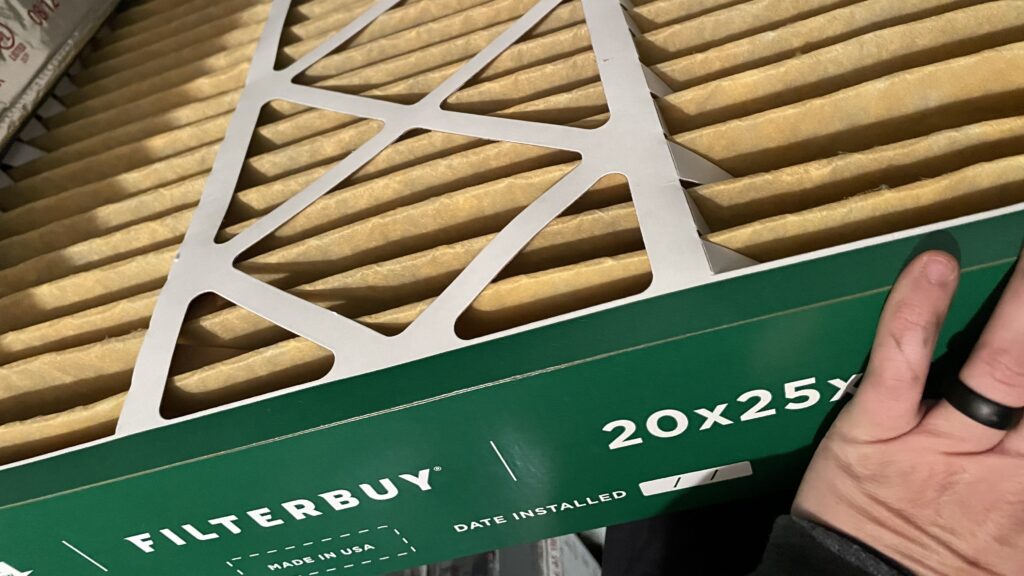
- Air filter condition: Replace a dirty filter.
- Thermostat settings: Confirm cooling mode and schedule settings.
- Supply and return vents: Make sure vents are open and not blocked.
- Outdoor unit clearance: Keep visible leaves and debris away from the unit.
- Maintenance history: Schedule service if the system has not been checked recently.
GEM offers AC maintenance and maintenance plan options for homeowners in Rhode Island and Massachusetts.
Make Maintenance Easier with GEM’s Home Comfort Club
Routine cooling maintenance can help your system operate more efficiently and reduce the chance of an unexpected problem during hot weather.
Through GEM’s Home Comfort Club, members receive pre-scheduled maintenance visits, savings on service work, exclusive membership scheduling, whole-home coverage options, and support when issues arise.
It is a convenient way to stay ahead of care for your air conditioner, heat pump, and other essential home systems while helping protect comfort and equipment performance.
What signs mean your HVAC system needs attention?
Your HVAC system needs attention when it stops cooling, makes unusual noises, leaks, freezes, trips power, or short cycles.
Call for emergency air conditioning repair if you notice:
- No cooling during high heat
A total cooling loss can become urgent for older adults, young children, pets, and people with health concerns. - Burning or electrical smells
Turn the system off and do not keep restarting it. - Breaker trips more than once
Resetting once may be reasonable. Repeated trips need service. - Ice on the system
Ice can point to airflow, coil, or refrigerant-related problems. - Water leaking near finished areas
Water around an air handler can damage floors, ceilings, or walls. - Loud grinding, banging, or screeching
Strong mechanical sounds can point to a motor, blower, or compressor issue. - Short cycling
If the AC starts and stops often, the system may be under strain.
Schedule service today if the issue feels unsafe, is getting worse, or leaves the home without cooling
What can you safely check before calling?
You can safely check the thermostat, air filter, breaker, vents, and outdoor unit area before calling. Do not open electrical panels, add refrigerant, remove sealed AC panels, or keep resetting a tripped breaker.
Use this simple checklist:
- Check the thermostat. Make sure it is set to cool and set below room temperature.
- Inspect the air filter. Dirty filters can contribute to malfunction and premature compressor or fan failure.
- Check vents. Open blocked supply and return vents.
- Check the breaker once. If it trips again, stop.
- Look around the outdoor unit. Clear visible leaves or debris without removing the cabinet.
- Check for ice or water. Turn cooling off and schedule service if you see ice or active leaking.
Safety note: if you smell burning, hear buzzing, or see repeated breaker trips, stop running the AC and call a professional.
When should you call for emergency AC repair?
You should call for emergency AC repair when safe checks do not restore cooling or when the system shows electrical, water, freezing, or mechanical warning signs.
Call GEM when:
- The AC will not turn on.
- The AC runs but only blows warm air.
- The breaker trips again after one reset.
- The outdoor unit hums but does not start.
- Water is pooling near the indoor unit.
- Ice forms on refrigerant lines or the coil.
- The system smells hot or electrical.
- Cooling fails during a humid summer day.
That’s when a licensed HVAC tech should step in. A technician can check electrical parts, airflow, refrigerant-related symptoms, drain issues, and the full cooling cycle.
When should you repair vs. replace?
You should repair the AC when the issue is isolated and the system is otherwise reliable. AC replacement becomes worth discussing when major parts fail, repairs repeat, or the system can no longer keep up with the home.
A repair may make sense when:
- The problem is a capacitor, contactor, thermostat, drain switch, or filter issue.
- The system cooled well before the failure.
- Parts are available.
- The repair cost fits the system’s age and condition.
Replacement may be worth discussing when:
- The compressor has failed.
- Breakdowns keep happening.
- The AC struggles every summer.
- Comfort is uneven from room to room.
- The system has major refrigerant-related problems.
- Energy use and repair needs keep rising.
What affects HVAC cost in Massachusetts and Rhode Island?
HVAC cost in Massachusetts and Rhode Island depends on the failed part, system type, access, timing, maintenance history, and whether the issue is a repair or replacement decision.
Common cost drivers include:
- Part type: Capacitors, motors, contactors, boards, coils, and compressors vary by system.
- Access: Older New England homes may have attic systems, tight basements, or compact utility areas.
- Timing: Emergency or after-hours service may be priced differently than scheduled service.
- System age: Older systems may need more diagnostic time or harder-to-source parts.
- Maintenance condition: Neglected maintenance can reduce performance and increase energy use.
- Replacement scope: New equipment may involve sizing, ductwork, controls, or electrical work.
Avoid firm repair pricing before diagnosis. A clear visit should explain what failed, what is safe to repair, and whether replacement should be considered.
Why does local New England context matter?
Local New England context matters because humid summers, cold winters, coastal moisture, and older housing stock can all affect AC performance. GEM serves Rhode Island and Massachusetts, and its service-area page lists statewide Rhode Island coverage plus multiple Massachusetts communities and counties.
In Providence, Warwick, Worcester, Plymouth, and Cape Cod, homes may have different system ages, duct layouts, and exposure to coastal moisture. The right repair path depends on the equipment and the home, not a generic national checklist.
For homeowners searching “AC repair near me,” local experience matters. A technician who understands Rhode Island and Massachusetts homes can better evaluate whether the issue is airflow, controls, maintenance, equipment age, or system design.
What should you do next?
If your AC stops cooling, make the safe checks once, stop running the system if warning signs appear, and schedule emergency AC repair when the issue continues. GEM provides AC repair in Rhode Island and Massachusetts.
Take these steps:
- Check the thermostat.
- Inspect or replace the filter.
- Make sure vents are open.
- Check the breaker once.
- Turn the system off if it smells hot, leaks, freezes, or trips again.
- Schedule service with GEM.
Schedule service with GEM. The team can diagnose the issue and explain your options clearly
Frequently Asked Questions
What counts as emergency AC repair in Rhode Island or Massachusetts?
Emergency AC repair in Rhode Island or Massachusetts is needed when cooling failure affects safety, comfort, or property protection. Warning signs include no cooling during high heat, burning smells, repeated breaker trips, frozen coils, water leaks, or loud mechanical sounds. GEM provides AC repair in Rhode Island and Massachusetts.
What should I check before calling for emergency AC repair?
Before calling for emergency AC repair, homeowners can safely check the thermostat, filter, vents, breaker, and outdoor unit area. Stop if the breaker trips again, the system smells hot, or ice appears. Electrical, refrigerant, and sealed-system issues should be handled by a technician.
Why is my AC blowing warm air?
An AC blowing warm air may have a thermostat, airflow, coil, refrigerant-related, or equipment problem. The Department of Energy says dirty filters and coils can cause AC malfunction and contribute to premature compressor or fan failure. If warm air continues after safe checks, call for service.
Should I repair or replace my AC after an emergency breakdown?
Repairing or replacing an AC after an emergency breakdown depends on the failed part, system age, repair history, and comfort performance. Isolated problems may be repairable. Repeated breakdowns, major component failure, or poor comfort may justify a replacement discussion after diagnosis.