
When your AC isn’t working during a heat wave, start with the safe basics before you assume the system has failed. Check the thermostat, air filter, breaker, outdoor unit, and supply vents. Then stop there if the system still will not cool. A heat wave is not the time to push a struggling AC harder.
For Rhode Island and Massachusetts homeowners, summer heat often comes with sticky humidity, older homes, and, near the coast, salt-air exposure that can be tough on outdoor equipment. GEM provides air conditioning services across Rhode Island and Massachusetts, including repair, maintenance, and replacement support.
What should homeowners do first when the AC stops?
Start by lowering the system workload and checking the simple controls. A few quick steps can help you rule out easy fixes before calling for service.
Try this first:
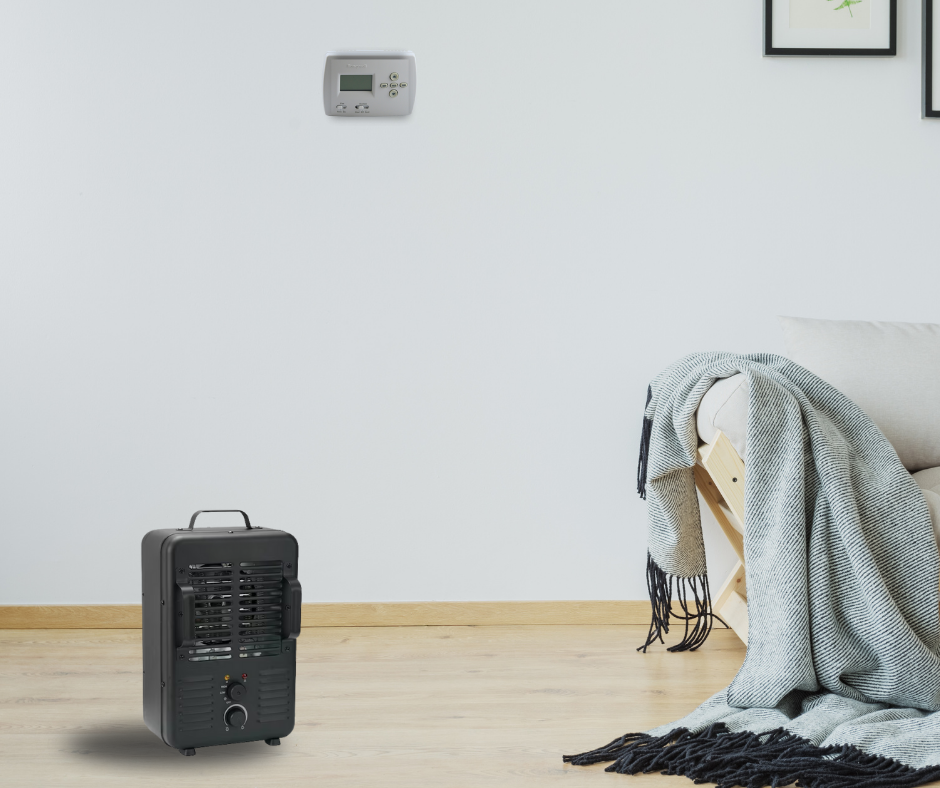
- Set the thermostat to cool.
- Lower the setting a few degrees below the room temperature.
- Confirm the fan is set to auto or on.
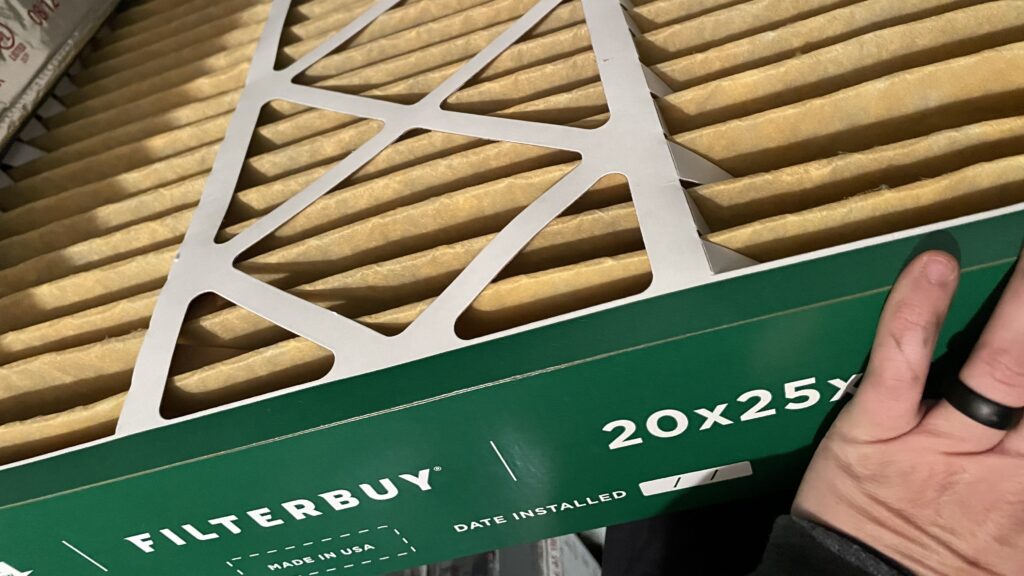
- Replace a dirty air filter.
- Make sure supply and return vents are open.
- Check that the outdoor unit has clear airflow.
- Look at the breaker once, but do not keep resetting it.
If the AC starts cooling again, give it time. During a heat wave, a system may take longer to pull humidity and heat out of the home. If it runs but never catches up, that is a sign to schedule service.
Safety note: if the breaker trips again, stop resetting it. Repeated breaker trips can point to an electrical or equipment issue that needs a licensed technician. GEM offers both 24/7 emergency HVAC and emergency electrical services.
Why does AC trouble show up during heat waves?
AC trouble often shows up during heat waves because the system runs longer, removes more humidity, and works against hotter outdoor temperatures. In New England, wet springs and humid summers can make that load feel heavier inside older homes.
Common heat-wave stress points include:
- A clogged filter limiting airflow.
- Dirt or debris around the outdoor coil.
- Low refrigerant symptoms that need professional diagnosis.
- Weak capacitors or electrical parts.
- Aging ductwork that loses cooled air.
- Thermostat problems.
- A system that is undersized, aging, or poorly maintained.
Bottom line: your AC may not be “dead.” It may be overloaded, blocked, or dealing with a part failure. That’s where the pros at GEM come in.
What signs mean your AC needs attention?
Your AC needs attention if it runs but does not cool, blows warm air, leaks water, makes new sounds, or turns on and off too often.
Watch for these signs:
- AC not cooling: The thermostat is set correctly, but rooms stay warm.
- AC not blowing cold air: Air moves through vents, but it feels warm or weak.
- Short cycling: The system starts and stops often.
- Water near the unit: The drain line or coil may need attention.
- Ice on the system: Airflow or refrigerant issues may be involved.
- Burning smell or buzzing: Stop using the system and schedule service.
- Breaker trips: Do not keep resetting it.
In short, if the system gives you one clear warning sign, schedule service. If it gives you two or three at once, stop troubleshooting and call.
What can you safely check before calling?
You can safely check settings, airflow, filters, visible debris, and obvious blocked vents. Do not open equipment panels, handle refrigerant lines, or troubleshoot electrical parts.
Safe homeowner checks:
- Thermostat: Confirm it is set to cool and the batteries are fresh if needed.
- Filter: Replace it if it looks dusty or clogged.
- Vents: Open supply and return vents.
- Outdoor unit: Clear leaves, grass, or debris around it.
- Breaker: Check once. If it trips again, stop.
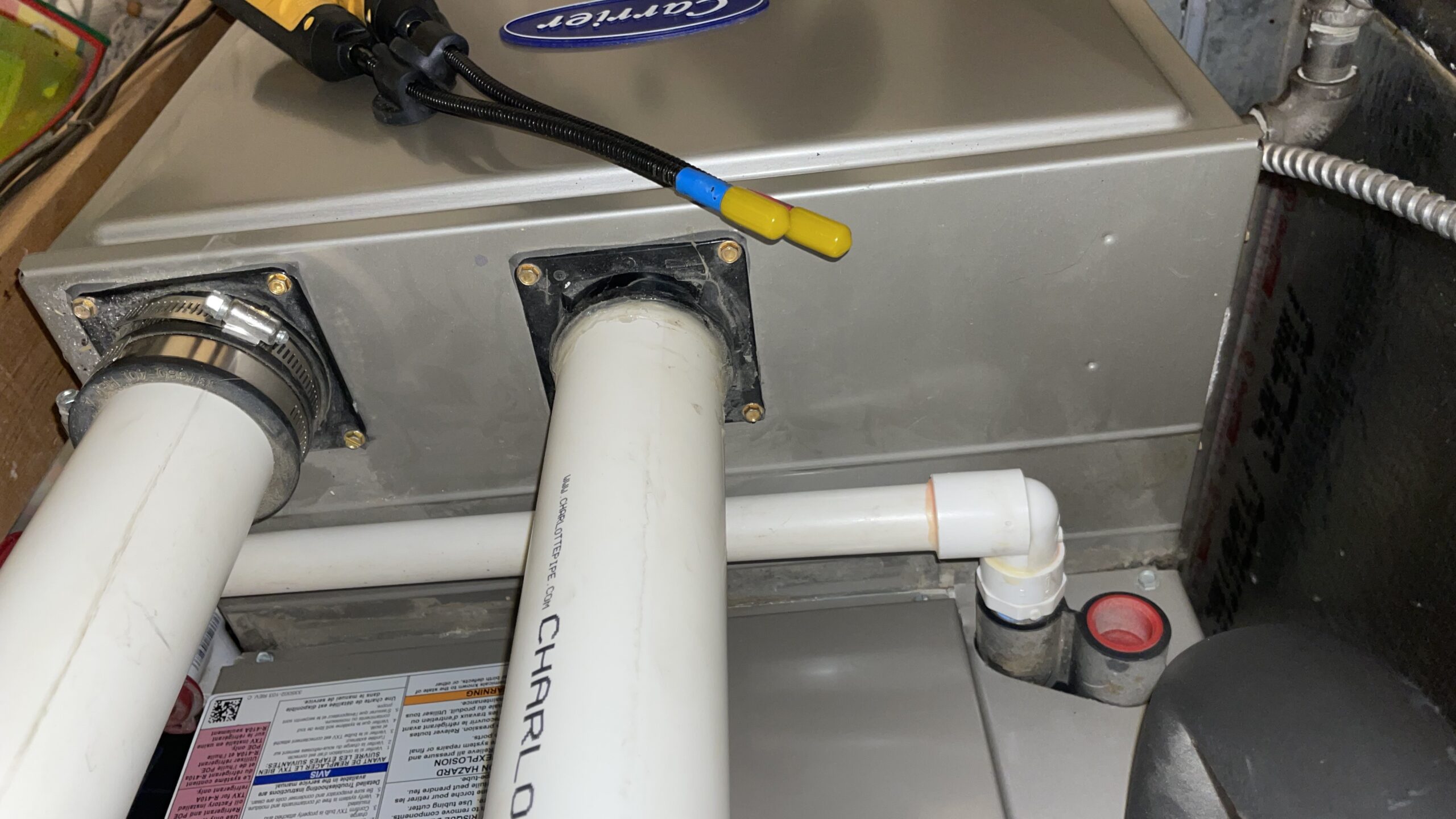
- Condensate line area: Look for visible water, but do not disassemble parts.
- Windows and doors: Close them so the system is not fighting outdoor heat.
Good news is, these checks are quick. They also give your technician useful details if the AC still is not cooling.
When should you call a professional?
Call a professional when the AC does not cool after safe checks, keeps tripping the breaker, freezes, leaks, short cycles, or makes electrical sounds. These symptoms can involve refrigerant, wiring, controls, motors, coils, or drainage parts.
You’ll want service if:
- The air conditioner stopped working and will not restart.
- The AC runs constantly but the house stays hot.
- The outdoor unit is silent while the indoor blower runs.
- Ice appears on refrigerant lines or coils.
- The system trips a breaker more than once.
- You notice a burning smell.
- The system is older and repair decisions are becoming frequent.
When should you repair vs. replace?
AC repair often makes sense when the issue is isolated, the system has been reliable, and the equipment is still a good fit for the home. Replacement may make more sense when the AC is older, repair needs are frequent, comfort is uneven, or efficiency is no longer meeting your goals.
Use this decision guide:
- Repair path: One clear issue, system otherwise cools well, and repair cost is reasonable.
- Maintenance path: System works but struggles during peak heat.
- Replacement path: Recurring breakdowns, poor cooling, major part failure, or comfort problems across the home.
Older homes in Providence, Cranston, Worcester, Boston, and coastal Massachusetts may also have ductwork, insulation, or salt-air exposure issues that affect comfort. The right answer depends on the system condition, home layout, and cooling load.
Not sure if your AC needs repair, maintenance, or replacement? Schedule an inspection with GEM before peak summer demand
What affects AC cost in Massachusetts and Rhode Island?
AC repair or replacement cost depends on the problem, equipment type, system size, accessibility, electrical needs, refrigerant-related work, duct condition, and whether replacement is part of the conversation. Exact pricing should come from an inspection, not a guess.
Common cost drivers include:
- System age and condition.
- Type of AC equipment.
- Parts and labor needed.
- Electrical or control issues.
- Indoor and outdoor unit access.
- Ductwork condition.
- Whether a repair or replacement is the better path.
- Efficiency level and system sizing.
For replacement, a right-sizing visit matters. Oversized and undersized systems can both create comfort problems, especially during humid New England summers.
What should you do next if the AC still is not cooling?
If your AC is still not cooling after the safe checks, schedule professional service and avoid repeated resets. A technician can diagnose airflow, electrical, refrigerant, drainage, and equipment issues safely.
Before your appointment, note:
- When the problem started.
- Whether the indoor fan runs.
- Whether the outdoor unit runs.
- Any noises, smells, leaks, or ice.
- Thermostat setting and indoor temperature.
- Filter condition.
- Whether the breaker tripped.
A heat wave can make every hour feel longer. You do not have to guess your way through it. GEM can help you compare repair, maintenance, and replacement options in plain language.
Schedule service with GEM before the next New England heat wave
Frequently Asked Questions
What should I do first if my AC is not working during a heat wave?
If your AC is not working during a heat wave, check the thermostat, filter, vents, breaker, and outdoor unit airflow first. Stop there if the system still will not cool, keeps tripping the breaker, leaks, freezes, or makes electrical sounds. Rhode Island and Massachusetts homes can heat up quickly during humid summer weather.
Why is my AC running but not cooling the house?
An AC running but not cooling the house may have restricted airflow, a dirty filter, an outdoor unit problem, a thermostat issue, or a repair need that requires a technician. GEM lists warm air, short cycling, leaks, unusual noises, and systems that will not turn on as common AC repair issues.
Is it safe to reset my AC breaker?
Resetting your AC breaker once may be safe if you are comfortable at the panel, but repeated tripping means you should stop and call a professional. A breaker that trips again can point to an electrical or equipment issue. Do not keep forcing the system during a heat wave.
When should I repair or replace an air conditioner?
Repairing or replacing an air conditioner depends on the system’s age, condition, repair history, comfort performance, and total cost drivers. Repair may fit one clear issue. Replacement may fit repeated breakdowns, poor cooling, or comfort problems across the home. A right-sizing visit helps match equipment to the house.