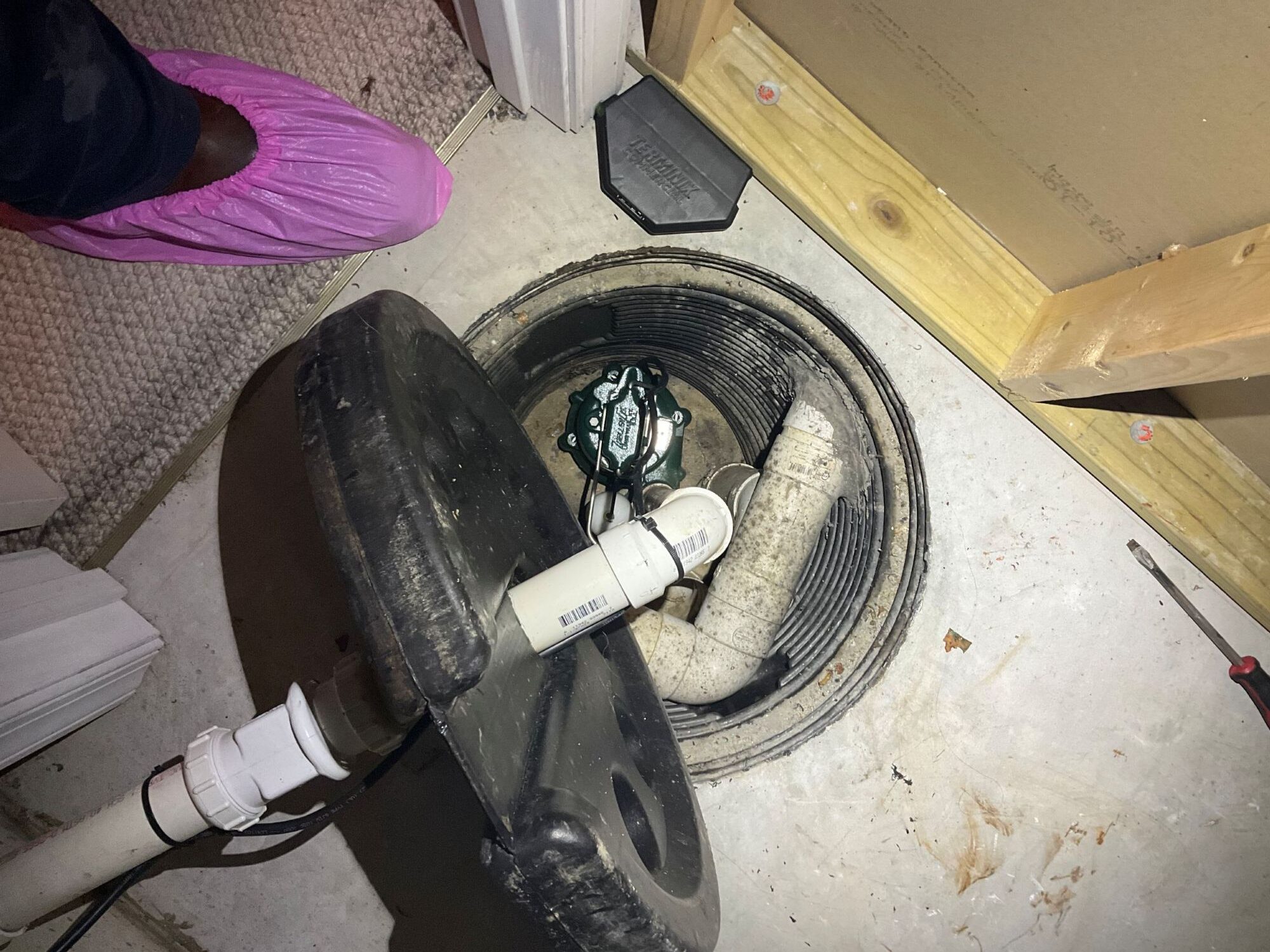

A sump pump should be checked before spring rain and snowmelt raise the risk of basement water problems. In Rhode Island and Massachusetts, wet spring weather, older homes, and coastal moisture can all make a reliable sump pump more important.
If your sump pump fails when the ground is saturated, water can collect in the basement and damage flooring, stored items, and nearby equipment. FEMA says sump pumps direct groundwater away from the home and work best in homes that experience flooding caused by rain.
For homeowners across Providence, Warwick, Cranston, Worcester, Plymouth, and other GEM service areas, spring is the right time to check whether your system is ready for spring rain before the next stretch of heavy rain.
Why spring is the right time to check a sump pump
Spring is the best time to check a sump pump because heavy rain, fast snowmelt, and saturated soil can all increase basement water risk.
That matters in New England, where homes often come out of a cold winter and head straight into wet spring weather. In older homes, a sump pump may also be working alongside aging foundations, older drainage conditions, or long-unused equipment.
If your basement has taken on water before, or your sump pump has not been tested since last spring, now is a good time to schedule an inspection with GEM
Signs your sump pump needs attention before peak rain season
A sump pump may need service before spring storms if you notice any of these signs:
- The pump does not turn on during testing
- The pump runs but does not remove water well
- You hear unusual rattling, grinding, or humming
- The pit looks dirty or clogged
- The unit cycles on and off too often
- You have seen water in the basement before
- The pump is getting older and its service history is unclear
Regular sump pump maintenance helps prevent clogs, supports water removal, and can catch issues before they become costly repairs.
How to test a sump pump before spring rains
A basic sump pump check can help you spot obvious problems before storm season.
Simple homeowner checklist
- Make sure the sump pit is clear of visible debris.
- Confirm the unit has power.
- Pour water into the pit to see whether the float rises and the pump turns on.
- Check that the pump removes the water and shuts off normally.
- Look at the discharge area outside to make sure water can move away from the house.
A sump pump connected to a drainage system helps move groundwater away from the basement. Mass.gov also recommends directing downspouts and drains away from the foundation as part of flood prevention.
A quick test is useful, but it does not replace a professional inspection if the pump is struggling, the discharge line is blocked, or the system has a backup battery.
What spring sump pump maintenance can help prevent
Spring sump pump maintenance can lower the chance of a surprise basement water problem by helping the system work when it is needed most. Routine maintenance can help homeowners avoid unexpected breakdowns and costly water damage.
Maintenance may help with:
- Clearing buildup that can affect operation
- Checking switches and moving parts
- Confirming proper drainage
- Identifying wear before failure
- Reviewing whether a backup battery makes sense
A backup battery or generator can help keep the pump operating during a power outage and may help prevent expensive basement damage.
Cost factors in Rhode Island and Massachusetts
Sump pump service costs in Rhode Island and Massachusetts depend on the type of work needed, the condition of the system, and whether the issue is maintenance, repair, or replacement.
Common cost factors include:
- Age and type of sump pump
- Whether the pit or discharge line needs cleaning
- Float switch or motor issues
- Whether a backup battery is being added
- Accessibility of the equipment
- Whether water damage has already occurred
Repair vs. replace: how to decide
Sump pump repair may make sense when the issue is limited, the unit is otherwise in good shape, and the pump has been dependable.
Sump pump replacement may be worth discussing when:
- The pump fails repeated tests
- The motor sounds strained
- The pump is older and its history is unknown
- The basement has already had water problems
- You want to add a backup battery for more protection
Backup batteries and generators are worth considering for sump pumps that are over 10 years old or when power outages are a concern.
When to call a professional in Rhode Island or Massachusetts
Homeowners in Rhode Island or Massachusetts should call a professional if a sump pump fails a basic test, makes unusual noise, cycles incorrectly, or if there is any sign of basement water.
Professional help is also smart when:
- The pump has not been checked in years
- You want a backup battery or generator
- You are not sure the discharge line is working
- Your home has a history of spring flooding
- You want a repair-versus-replace recommendation before the rainy season
Schedule sump pump service with GEM before spring rain puts extra pressure on your system.
Frequently Asked Questions
How do I know if my sump pump is ready for spring rain in Rhode Island or Massachusetts?
A sump pump in Rhode Island or Massachusetts is ready for spring rain when it turns on during a test, removes water correctly, and shuts off normally. A quick test with water in the pit can reveal obvious problems. If the pump makes unusual noise or fails the test, professional service is a safer next step.
How often should a sump pump be checked in New England?
A sump pump in a New England home should be checked before spring rain and snowmelt increase basement water risk. Annual testing is a practical baseline for many homes. Homes with past flooding, coastal moisture, or older drainage conditions may need closer attention.
What are the signs a sump pump is failing?
A failing sump pump may make unusual noise, run without clearing water, cycle too often, or fail to turn on during testing. A dirty pit or blocked discharge line can also affect performance. These warning signs are worth addressing before the wettest part of spring.
Should I repair or replace an older sump pump?
An older sump pump may be worth replacing if it fails repeated tests, has a limited service history, or no longer feels dependable before storm season. Repair can still make sense when the issue is isolated and the rest of the system is in good condition. A professional inspection can help homeowners compare both paths.
Do I need a backup battery for a sump pump?
A sump pump backup battery may be useful when power outages are a concern or when the sump pump is older. It’s recommended that homeowners consider a backup battery or generator if the pump is over 10 years old or if the electricity goes out.