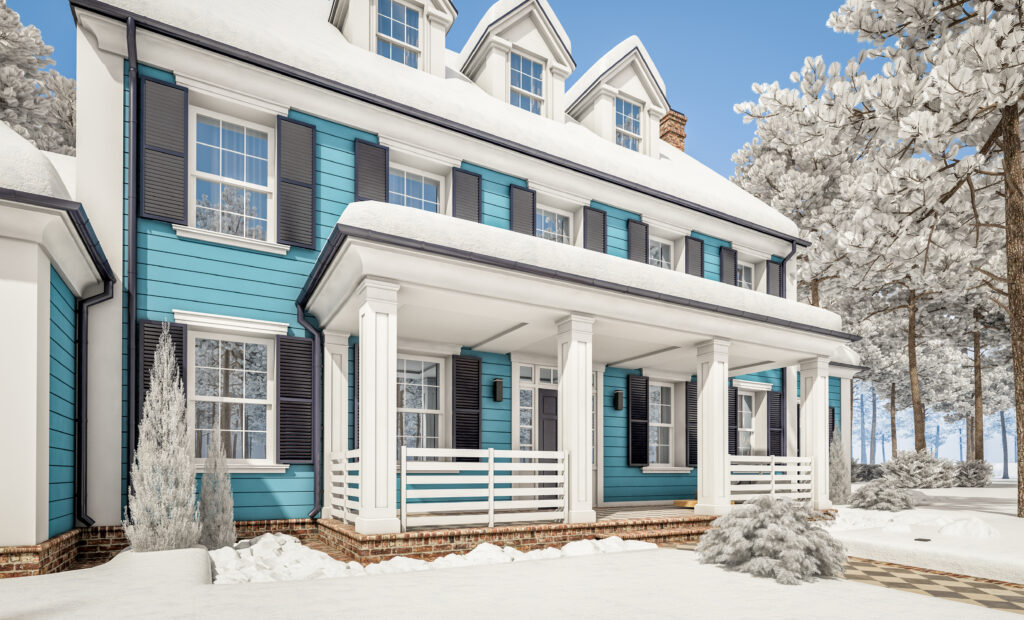
Winter has a way of turning our homes into sealed bubbles. Windows stay shut, doors open only briefly, and the heating system runs day after day to keep things comfortable. What many homeowners don’t realize is that this closed-off environment can lead to poor indoor air quality in winter, affecting not just how the air feels, but how efficiently your home heats and how much energy it uses. When indoor air quality slips, comfort drops, systems work harder, and energy costs often creep up.
Why Indoor Air Quality Gets Worse in Winter
Cold weather changes how air moves through a home. Fresh air doesn’t cycle in as often, meaning that whatever is already inside tends to stick around longer. Dust, pet dander, and everyday household particles build up faster because there’s nowhere for them to go. On top of that, heating systems continuously circulate the same air, which can concentrate indoor air quality problems over time.
Dry winter air adds another layer to the issue. When humidity levels drop, airborne particles stay suspended longer and feel more noticeable. All of this contributes to the winter indoor air quality challenges many homeowners experience without immediately realizing what’s behind them.
How Poor Indoor Air Quality Affects Comfort at Home
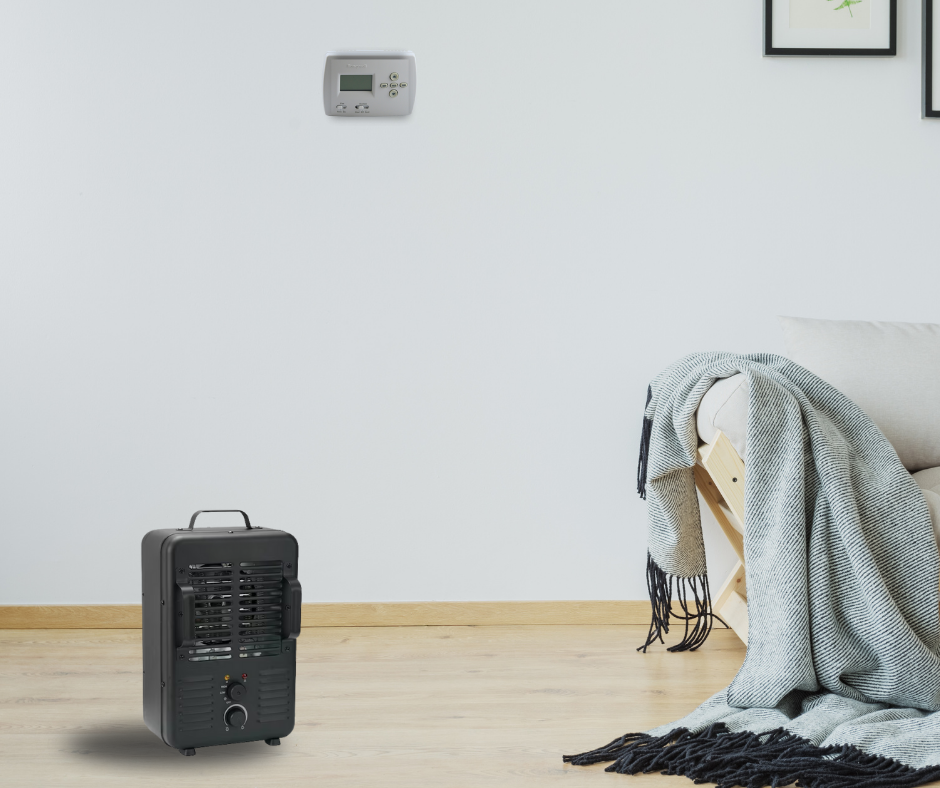
Homes with poor air quality often feel stuffy or stale, even when the thermostat is set just right. Some rooms may feel warmer or colder than others, creating uneven comfort throughout the house. Dry air can make spaces feel harsher, especially during long heating cycles.
Airflow plays a major role here. Your furnace or heat pump’s air handler moves heated air from room to room, so when that air carries dust or other particles, comfort issues spread quickly. Instead of one problem room, the entire home can start to feel off, even though the heating system itself is technically working.
The Hidden Link Between Indoor Air Quality and Heating Efficiency
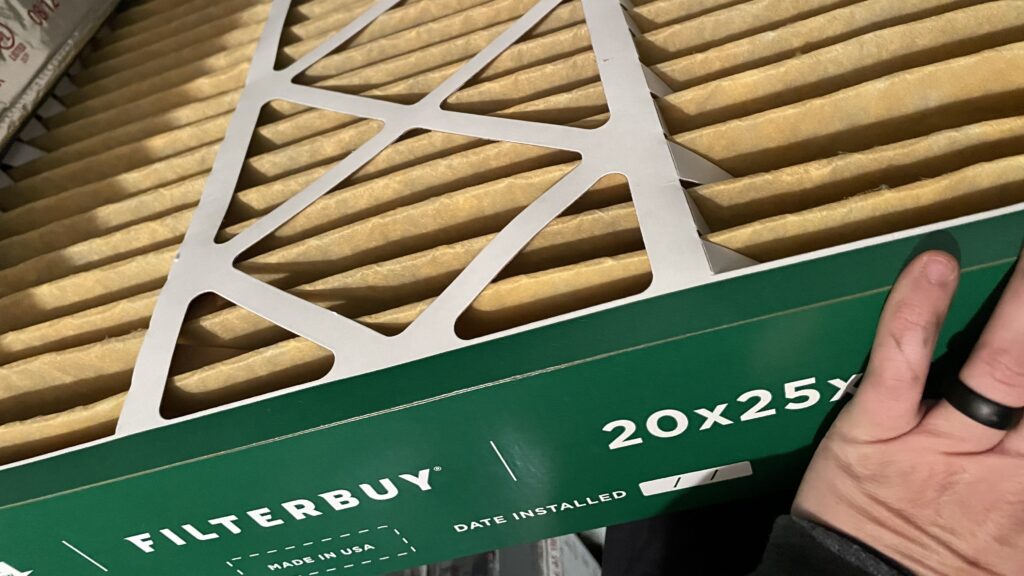
Air quality and efficiency are more connected than most people think. When airborne particles accumulate, they can restrict airflow inside the HVAC system. Reduced airflow means the system has to run longer to deliver the same amount of heat, putting extra strain on equipment.
This directly affects HVAC air quality and system performance. Heating equipment designed to move clean air efficiently doesn’t operate at peak levels when that air is clogged with debris. Over time, the system compensates by working harder, which impacts overall efficiency during the most demanding months of the year.
How Poor Air Quality Can Drive Up Winter Energy Costs
Efficiency losses might seem minor at first, but they add up quickly during winter. When airflow is restricted or air quality issues interfere with heat distribution, heating systems often cycle longer than necessary, using more energy day after day.
Even small inefficiencies can have a noticeable impact on home energy efficiency in winter. A system that runs longer burns more energy, and that extra usage shows up on monthly utility bills. Improving indoor air quality helps heating systems operate more smoothly, reducing unnecessary run time and supporting better energy use throughout the season.
Common Winter Indoor Air Quality Issues to Watch For
Many homeowners notice the signs of poor air quality without connecting them to efficiency or comfort problems. Be on the lookout for these common winter air quality issues:
- Excessive dust buildup on surfaces: Dust appearing shortly after cleaning often points to circulating airborne particles throughout the home.
- Persistent dryness indoors: Low humidity can make the air feel uncomfortable and interfere with how heat is distributed.
- Stale or lingering odors: Smells that don’t clear out easily may indicate limited air exchange and trapped pollutants.
- Uneven heating from room to room: Poor airflow can prevent warm air from reaching certain areas consistently.
Improving Indoor Air Quality to Support Comfort and Efficiency
Improving indoor air quality doesn’t require opening windows in freezing temperatures. These targeted solutions can make a noticeable difference:
- Air purifiers help remove airborne particles before they circulate through the system, reducing buildup and improving overall air cleanliness.
- Humidifiers add balanced moisture back into dry winter air, making indoor spaces feel warmer and more comfortable without raising the thermostat.
- Regular HVAC maintenance also plays a key role, making sure airflow stays clear and systems operate as efficiently as possible during peak heating season.
These improvements support better comfort while reducing strain on your heating system.
Choose GEM for Better Indoor Air Quality This Winter
Poor indoor air quality in winter affects comfort, heating performance, and energy efficiency throughout the home. Cleaner, more well-balanced air helps heating systems run more effectively and prevents your heating bills from skyrocketing during long New England winters. As a family values company since 1949, GEM has helped homeowners improve comfort and efficiency through strategic indoor air quality solutions for decades. Our team can help you improve your home’s indoor air quality for more consistent temperatures, smoother system operation, and better control over energy use when it matters most.
Contact GEM Plumbing, Heating, Cooling & Electrical today to take control of your indoor air quality this winter.
Frequently Asked Questions About Indoor Air Quality in Winter
What causes indoor air quality to get worse during winter?
Indoor air quality often declines in winter because homes are sealed tightly to keep heat in. With windows and doors closed, fresh air exchange is limited, allowing dust, allergens, and pollutants to build up while the heating system continuously recirculates the same air.
Can poor indoor air quality really affect how warm my home feels?
Yes. Poor air quality can lead to uneven airflow and dry conditions that make rooms feel less comfortable, even if the thermostat setting hasn’t changed. Dust and particles moving through the system can also contribute to hot and cold spots throughout the house.
How does indoor air quality impact heating efficiency?
When airborne particles build up inside the HVAC system, airflow can become restricted. Reduced airflow forces the system to run longer to produce the same amount of heat, which lowers efficiency and increases wear on heating equipment.
Does dry winter air make my heating system work harder?
It can. Dry air often feels cooler than properly humidified air, which may cause homeowners to raise the thermostat. This leads to longer heating cycles and higher energy use, even though the system itself may be operating normally.
Will improving indoor air quality help lower energy bills?
Improving air quality can support better system performance. Cleaner air and balanced humidity allow heating systems to distribute warmth more efficiently, reducing unnecessary run time and helping control winter energy costs.
What are the most common signs of poor indoor air quality in winter?
Common signs include excessive dust buildup, persistent dryness, lingering odors, uneven heating between rooms, and air that feels stale or stuffy. These issues often become more noticeable during long heating seasons.
Do I need to open windows to improve indoor air quality in winter?
No. Opening windows during winter can waste energy and make the home uncomfortable. Solutions like air purifiers, humidifiers, and regular HVAC maintenance can improve indoor air quality without sacrificing warmth or efficiency.