
Spring is when outdoor plumbing leaks tend to show themselves. After a New England winter, hose bibs, sprinkler lines, exterior piping, and drains may start acting up once water is turned back on. GEM can inspect leak sources and discuss plumbing repair or replacement options in RI and MA.
In short, the goal is simple: spot small leaks before they become bigger repairs.
What plumbing issues show up seasonally?
Outdoor plumbing leaks often appear in spring when frozen or stressed parts are used again. Cold winters, wet springs, and coastal moisture can be hard on exterior plumbing in Rhode Island and Massachusetts homes.
Common spring issues include:
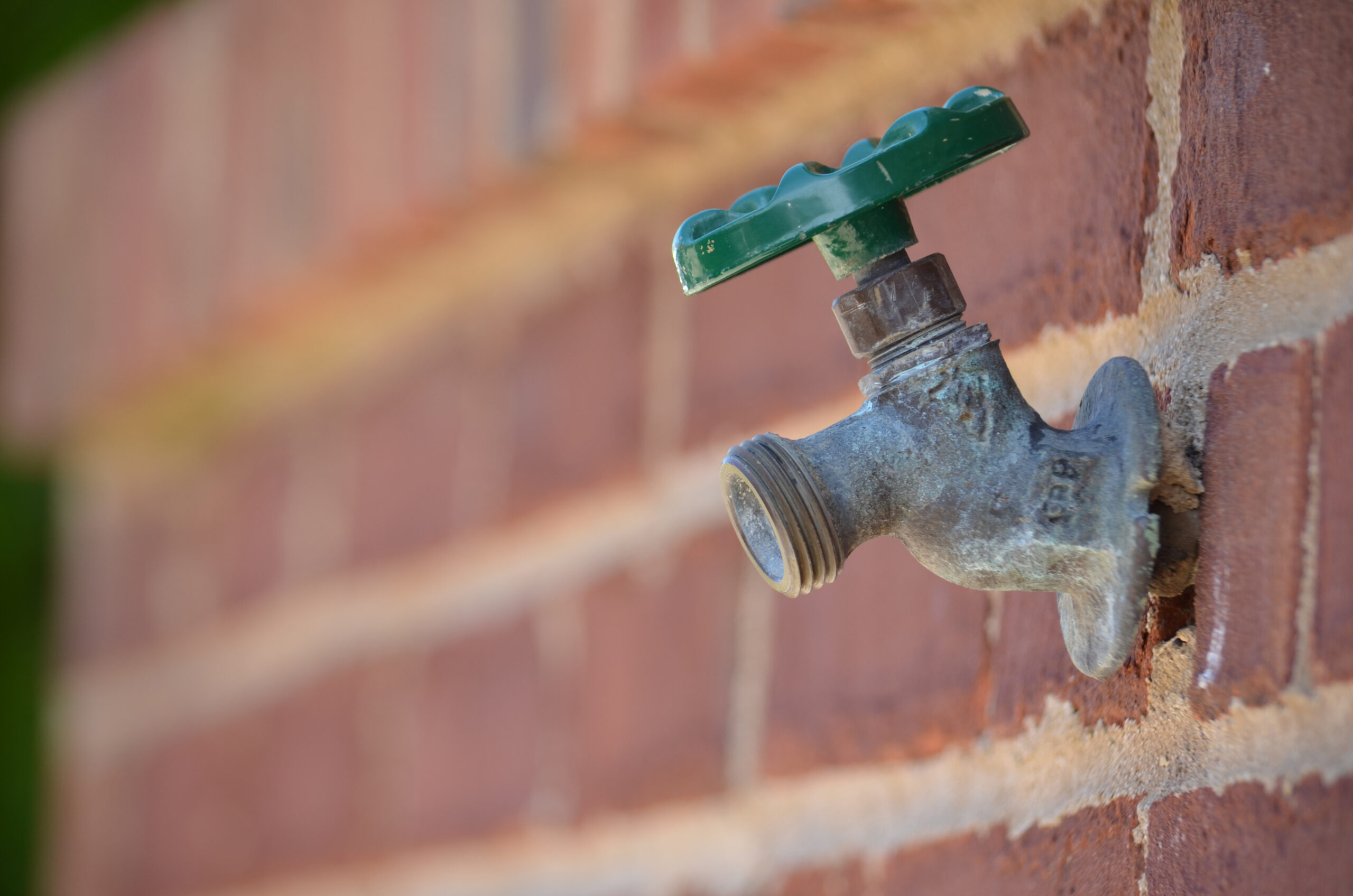
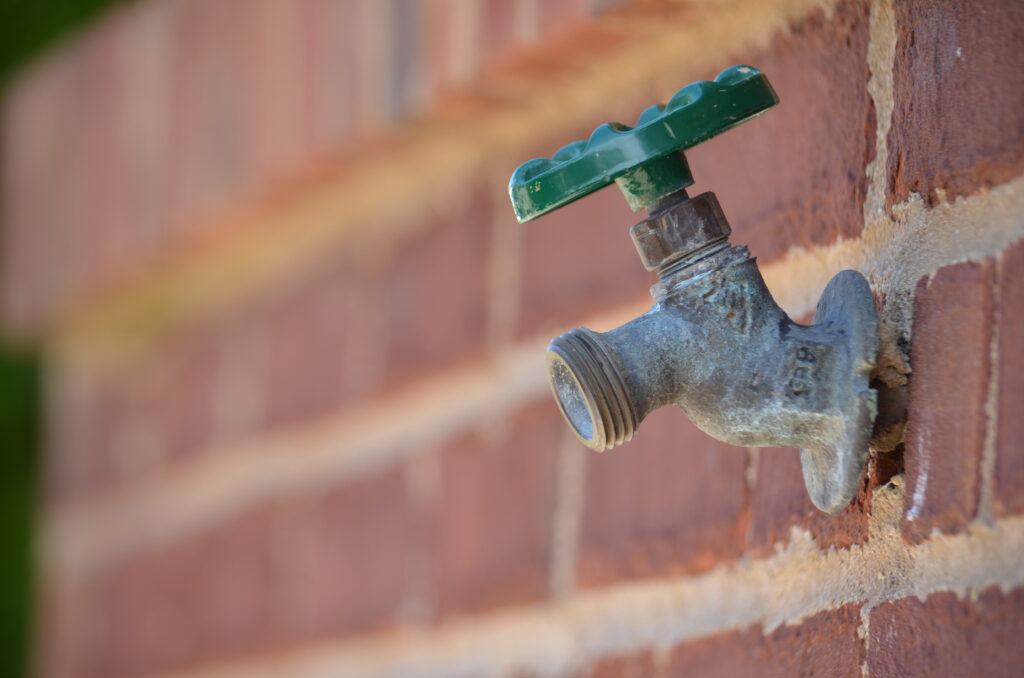
- dripping hose bibs
- cracked outdoor
- faucet connections
- leaking sprinkler lines
- soggy lawn areas
- moisture near the foundation
A quick spring walkthrough can help. Check outdoor faucets before attaching hoses. Look at exposed piping near basements, crawl spaces, garages, and foundation walls. If a fixture was shut down for winter, open it slowly and watch for leaks.
Older homes in places like Providence, Warwick, Cranston, Boston, and Plymouth may also have mixed-age plumbing systems that need a closer look.
What signs mean a plumbing issue needs service?
A plumbing issue needs service when water keeps appearing, pressure changes, or the leak source is not obvious. Some leaks are hidden behind walls, beneath floors, or underground.
Watch for these signs:
- Wet soil when it has not rained recently
- A hose bib that drips after being shut off
- Water stains near the foundation
- Lower pressure at an outdoor spigot
- A sprinkler zone that sprays weakly or pools water
- Musty basement smells after outdoor water use
- A water bill that rises without a clear reason
Sprinkler system leak signs can be easy to miss. One zone may look greener than the rest of the yard. Another may bubble, sink, or stay muddy. That does not confirm a broken line, but it is a good reason to stop using that zone and schedule a check.
Ready for a plumbing inspection instead of more guesswork?
Schedule service now
What can homeowners check safely?
Homeowners can safely check visible fixtures, shutoffs, soil conditions, and water meter movement without opening pipes or digging.
Safety note—do not cut into walls, dig near buried utilities, or take apart pressurized plumbing if you are unsure what you are touching.
A simple spring plumbing maintenance checklist:
- Turn on each outdoor faucet slowly.
- Watch the connection point at the wall.
- Check the basement or crawl space behind the hose bib.
- Run each sprinkler zone briefly and look for pooling.
- Walk around the foundation for new moisture.
- Confirm outdoor drains are clear of leaves and debris.
- Shut off water to any fixture that leaks steadily.
If the leak is hidden, GEM’s leak detection services can help locate problems that are not visible from the surface.
When should you repair vs replace?
Plumbing repair often makes sense for a single leaking connection, worn washer, or isolated fixture problem.
Replacement may make more sense when the fixture is cracked, piping is corroded, or the same area keeps leaking.
A hose bib leaking fix may be simple, but not always. If the leak is at the handle, packing nut, or washer, repair may be possible. If water appears inside the wall or basement when the hose is running, the issue may involve the pipe behind the fixture. That’s when a professional should step in.
Bottom line—small visible leaks can sometimes be straightforward. Hidden leaks near walls, underground lines, or shutoff valves need more care.
Cost drivers can include:
- Leak location
- Pipe material and age
- Access through soil, walls, or basement areas
- Fixture replacement needs
- Shutoff valve condition
- Whether leak detection is needed
- Yard, foundation, or interior finish restoration
Because every home is different, pricing should be based on inspection, not guesswork. Older homes across Rhode Island and Massachusetts can present access challenges, especially in tight basements or finished lower levels.
How can you prevent outdoor plumbing leaks next spring?
You can reduce outdoor plumbing leak risk by:
- winterizing exterior fixtures
- checking shutoffs
- inspecting outdoor plumbing before heavy spring use
Preventing outdoor plumbing leaks starts before the first hard freeze, then continues with a spring check.
Good habits include:
- disconnecting hoses before winter
- draining outdoor fixtures when possible
- insulating exposed piping
- keeping an eye on older hose bibs
Coastal air near Narragansett Bay and other shoreline communities can also make exterior metals work harder over time.
If your spring check turns up a drip, wet spot, or hidden leak concern, schedule service with GEM. A local plumbing technician can inspect the issue, explain repair or replacement paths, and help you decide what fits your home.
Schedule service with GEM today to address outdoor leaks before summer arrives
Frequently Asked Questions
What outdoor plumbing leaks do homeowners miss in spring?
Outdoor plumbing leaks homeowners miss in spring often involve hose bibs, sprinkler lines, exterior pipes, and wet soil near the foundation. Rhode Island and Massachusetts winters can stress outdoor fixtures before homeowners use them again. Check slowly, watch for dripping, and stop using any fixture that leaks steadily.
How can I find outdoor water leaks around my home?
Homeowners can find outdoor water leaks by checking visible faucets, sprinkler zones, damp soil, and basement walls behind outdoor fixtures. If the source is not visible, the leak may be hidden underground or behind building materials.
What are sprinkler system leak signs?
Sprinkler system leak signs include pooling water, weak spray, unusually green patches, sunken soil, or one zone that will not hold pressure. These signs do not confirm the exact cause, but they are a reason to stop running that zone and schedule a plumbing check.
Can a leaking hose bib be repaired?
A leaking hose bib can sometimes be repaired if the issue is a washer, packing nut, or exterior fixture part. If water appears inside the wall or basement when the faucet runs, the problem may involve hidden piping and should be inspected by a plumber.