
Summer puts more demand on your electrical panel. Air conditioning, fans, dehumidifiers, outdoor lighting, pool equipment, chargers, and more time at home can all add load during humid New England weather. GEM provides electrical services in Rhode Island and southeastern Massachusetts, including electrical panel upgrades.
In short, electrical panel summer readiness means knowing what looks normal, what needs attention, and when to call the licensed electricians at GEM.
What should homeowners check before storm season and summer heat?
Homeowners should check visible panel condition, breaker labels, appliance demand, and any recent changes in how the home uses power. Do not remove the panel cover or touch wiring.
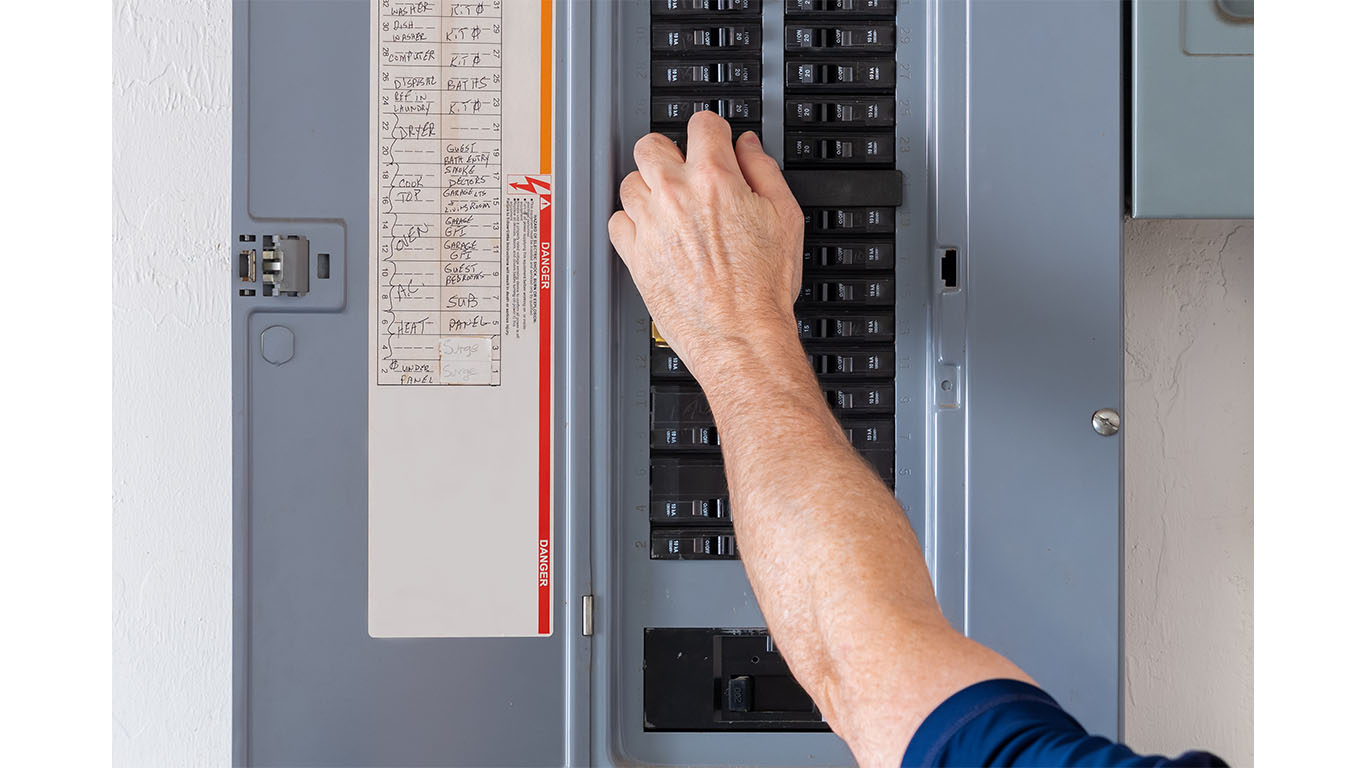
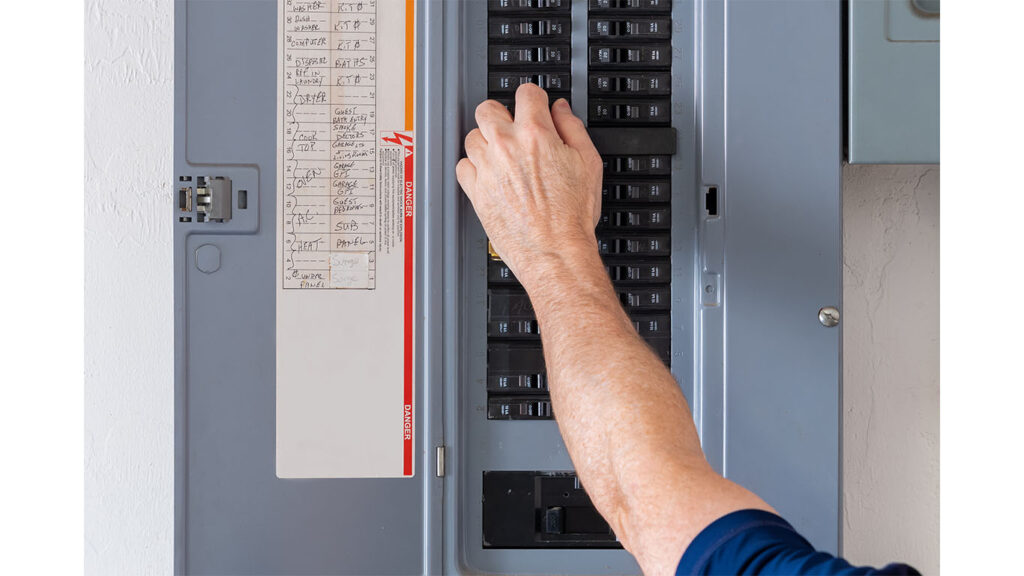
Start with the safe basics. Make sure the panel door opens and closes normally. Check whether the breaker labels are readable. Notice which breakers serve AC, kitchen equipment, laundry, outdoor outlets, and finished basement spaces.
Then think about what changed since last summer. Did you add a window AC, EV charger, hot tub, workshop tools, outdoor lighting, or more home office equipment? GEM’s panel page notes that panel service can help when a panel is outdated, overloaded, or showing signs of trouble.
Older homes across Rhode Island and Massachusetts can have panels that were not planned for today’s devices. Coastal moisture and salt air in some service areas can also be tough on exterior electrical components over time.
Panel look outdated? Added major electrical loads? Compare your options with the pros at GEM. Schedule an inspection today
What warning signs need a professional?
Warning signs that need a professional include frequent breaker trips, flickering lights, buzzing, warm outlets, burning odors, or discolored outlet covers. These are warning signs of an overloaded electrical system.
Watch for:
- Breakers that trip more often during hot weather
- Lights that dim when AC or appliances start
- Buzzing sounds near outlets, switches, or the panel
- Warm or discolored wall plates
- A burning smell near a switch, outlet, or panel
- Appliances that seem underpowered
- Extension cords used as long-term power sources
Circuit breaker trips in summer can happen when more equipment runs at the same time. A breaker that trips is doing its job. Do not tape it, force it, or keep resetting it without finding the cause.
Safety note—if you smell burning, see smoke, feel heat at the panel, or hear crackling, stop using that circuit and contact a licensed electrician. GEM offers 24/7 emergency electrical service. If there is an immediate fire risk, call emergency services.
What can homeowners safely check before calling?
Homeowners can safely check what is visible and how the home behaves, but electrical repair belongs to a licensed electrician. Do not remove panel covers, replace breakers, or open outlets unless you are qualified.
Safe checks include:
- Write down when the breaker trips.
- Note which appliances or systems were running.
- Check whether lights dim when the AC starts.
- Look for warm or discolored outlets without touching wiring.
- Make sure large appliances are not relying on extension cords.
- Confirm outdoor outlets have weather covers and are not damaged.
- Keep the panel area clear and easy to access.
This is not about diagnosing the panel yourself. It is about giving the electrician a clearer picture. If something feels off, schedule an electrical repair visit instead of guessing.
When should you repair, replace, or upgrade an electrical panel?
Repair may make sense when the panel is generally sound and the issue is limited to a breaker, connection, or specific circuit. Replacement or upgrade may be the safer path when the panel is outdated, overloaded, damaged, or unable to support modern demand.
A panel upgrade for higher demand may be worth discussing if you are adding:
- central AC
- heat pumps
- EV charging
- a generator interlock
- a hot tub
- major kitchen equipment
The right answer depends on the panel condition, available capacity, code requirements, and the home’s wiring.
Bottom line—do not decide from age alone. Let a licensed electrician inspect the system and explain repair, replacement, or upgrade paths.
What does electrical panel installation involve?
Electrical panel installation generally involves:
- assessment
- planning
- code-compliant installation
- utility coordination when needed
- testing
For homeowners, the important part is planning. The electrician needs to understand the home’s current load and future needs. That may include AC equipment, kitchen appliances, laundry, outdoor living spaces, generators, or EV charging.
In Rhode Island and Massachusetts, older homes can have tight basements, mixed wiring eras, or panel locations that make access more complicated. A clean plan helps reduce surprises.
What affects electrical panel cost?
Electrical panel cost depends on panel size, home wiring, utility coordination, code requirements, access, grounding, permits, and whether additional circuits or equipment are needed.
Electrical work is dependent on home conditions. A panel in an open basement is different from one in a tight finished area. A straightforward replacement is different from a service upgrade that needs utility coordination.
Cost drivers may include:
- Existing panel condition
- Amperage and capacity needs
- Number of circuits
- Grounding and bonding updates
- Local permit requirements
- Utility coordination
- Generator or EV charger readiness
- Access in older basements or finished spaces
How can you prepare your electrical system for summer?
You can prepare your electrical system for summer by reducing overload risk, watching warning signs, and having a licensed electrician inspect concerns before peak heat. Summer demand is not just AC. It can include dehumidifiers, outdoor lighting, pool equipment, extra refrigeration, fans, chargers, and home office gear.
Good habits can help:
- Avoid plugging high-load equipment into power strips
- Keep outdoor cords temporary, not permanent
- Replace damaged cords and covers
- Keep the electrical panel accessible
- Do not ignore repeat breaker trips
- Schedule service before a small issue becomes disruptive
If your panel is giving you signs, schedule service with GEM. You’ll get clear guidance on repair, replacement, or upgrade options for your home.
Schedule an electrical panel inspection with GEM now before peak summer demand hits
Frequently Asked Questions
Is my electrical panel safe for summer in Rhode Island or Massachusetts?
Electrical panel summer safety in Rhode Island or Massachusetts depends on the panel condition, current load, and warning signs in the home. Frequent breaker trips, dimming lights, buzzing sounds, or discolored outlets can point to overload concerns. Schedule an electrician if those signs appear.
What are signs your electrical panel is overloaded?
Signs your electrical panel is overloaded include frequent breaker trips, dimming lights, buzzing sounds, discolored outlets, and appliances that seem underpowered. These are overloaded electrical system warning signs. Do not keep resetting a breaker without finding the cause.
Why do circuit breakers trip more in summer?
Circuit breakers may trip more in summer because AC, fans, dehumidifiers, outdoor lighting, and devices often run at the same time. A breaker trip can mean the circuit is protecting the home from overload. Repeated trips should be reviewed by a licensed electrician.
When should I replace or upgrade my electrical panel?
Electrical panel replacement or upgrade may be worth discussing when the panel is outdated, overloaded, damaged, or unable to support modern appliances and systems.