
Spring power surges can damage electronics, stress older electrical systems, and create safety concerns in Rhode Island and Massachusetts homes. The best way to reduce that risk is to prepare before spring storms arrive with simple protective steps and, when needed, a professional electrical inspection.
In New England, spring often brings wet weather, wind, and storm-related outages after a long heating season. In older homes across Providence, Warwick, Worcester, Plymouth, and other GEM service areas, aging wiring, older panels, and heavy equipment loads can make surge protection more important.
What causes spring power surges?
Spring power surges often happen when lightning, utility switching, storm damage, or power restoration sends a sudden spike through the electrical system.
Surges can come from outside the home, but they can also come from inside. Large appliances that cycle on and off, like air conditioners or refrigerators, may create smaller repeated surges over time.
That matters in Rhode Island and Massachusetts, where homeowners are often moving from heating season into wet spring weather while also getting cooling systems ready for summer.
Schedule electrical service with GEM if you want help checking your panel, reviewing surge protection options, or addressing warning signs before spring storms put more pressure on your system.
Why Spring Power Surges Matter in New England Homes
Spring power surges matter because they can damage appliances, shorten the life of electronics, and expose weaknesses in an older electrical system.
This is especially relevant in New England homes because many properties have:
- older wiring or older panels
- long-established neighborhoods with mixed system ages
- moisture exposure in basements or utility areas
- coastal conditions in some areas
A small surge may go unnoticed at first, but repeated surges can gradually affect computers, televisions, kitchen appliances, and HVAC equipment.
Signs Your Electrical System May Need Attention Before Summer
An electrical system may need attention before summer if you notice signs that suggest stress, wear, or poor surge protection.
Watch for:
- flickering or dimming lights
- frequently tripped breakers
- buzzing sounds near outlets or the electrical panel
- outlets that feel warm
- burning smells near switches or plugs
- electronics that stop working after storms
- no visible surge protection at the panel
These warning signs do not always mean a power surge is the only issue, but they are a reason to take the system seriously. GEM offers 24/7 emergency electrical service.
Spring Power Surge Safety Tips
1. Use point-of-use surge protectors for electronics
Point-of-use surge protectors can help protect computers, TVs, routers, and other sensitive devices from smaller spikes. This is a practical first step for everyday electronics, especially if your home office, entertainment area, or kitchen relies on expensive equipment.
2. Consider whole-home surge protection
Whole-home surge protection helps reduce the amount of surge energy that reaches the home’s electrical system.
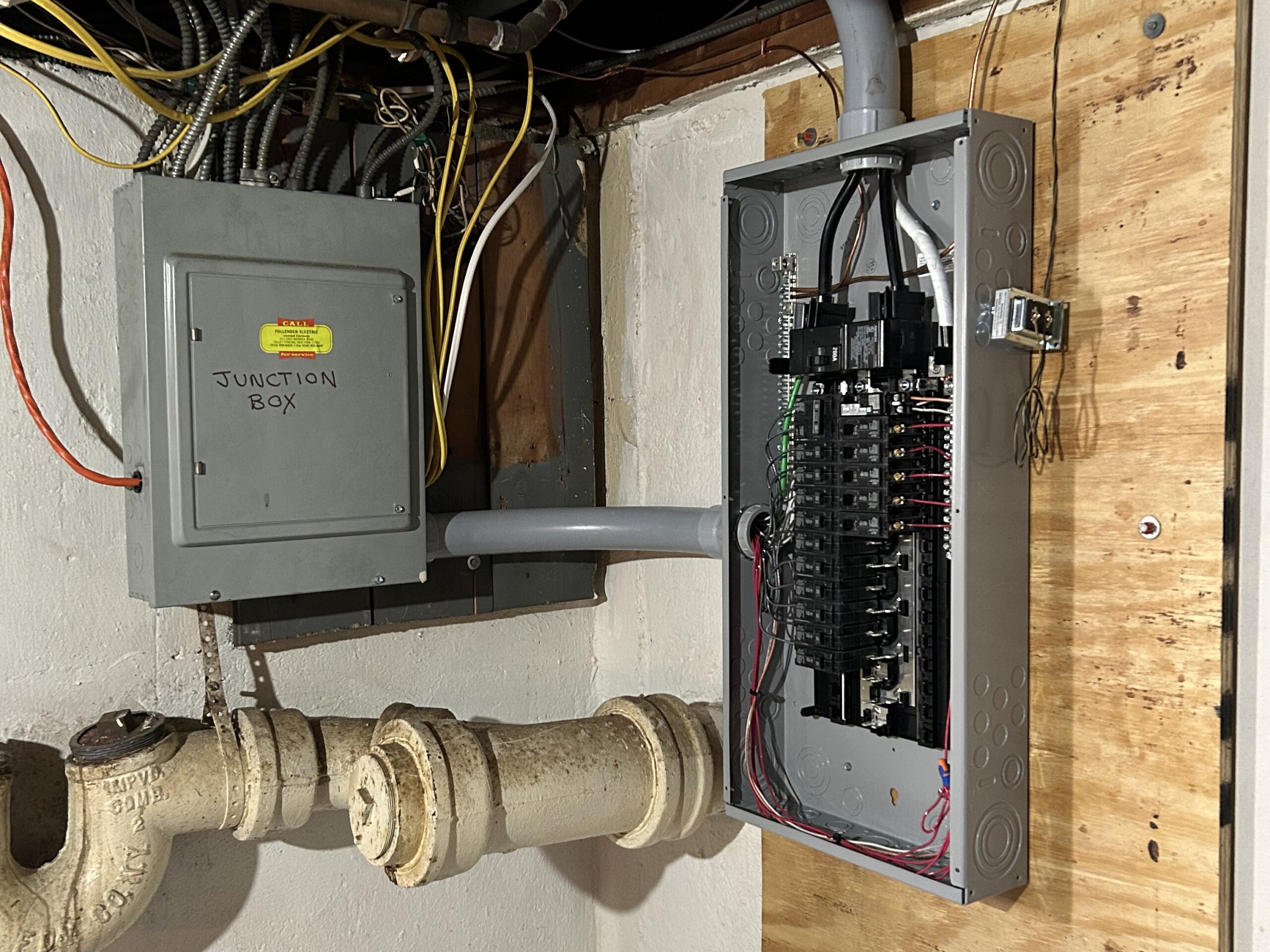
A whole-home surge protector is usually installed at the panel and is designed to add a broader layer of protection for connected circuits and appliances. The licensed electricians at GEM can help determine whether your current panel can support that upgrade safely.
3. Check your panel and grounding
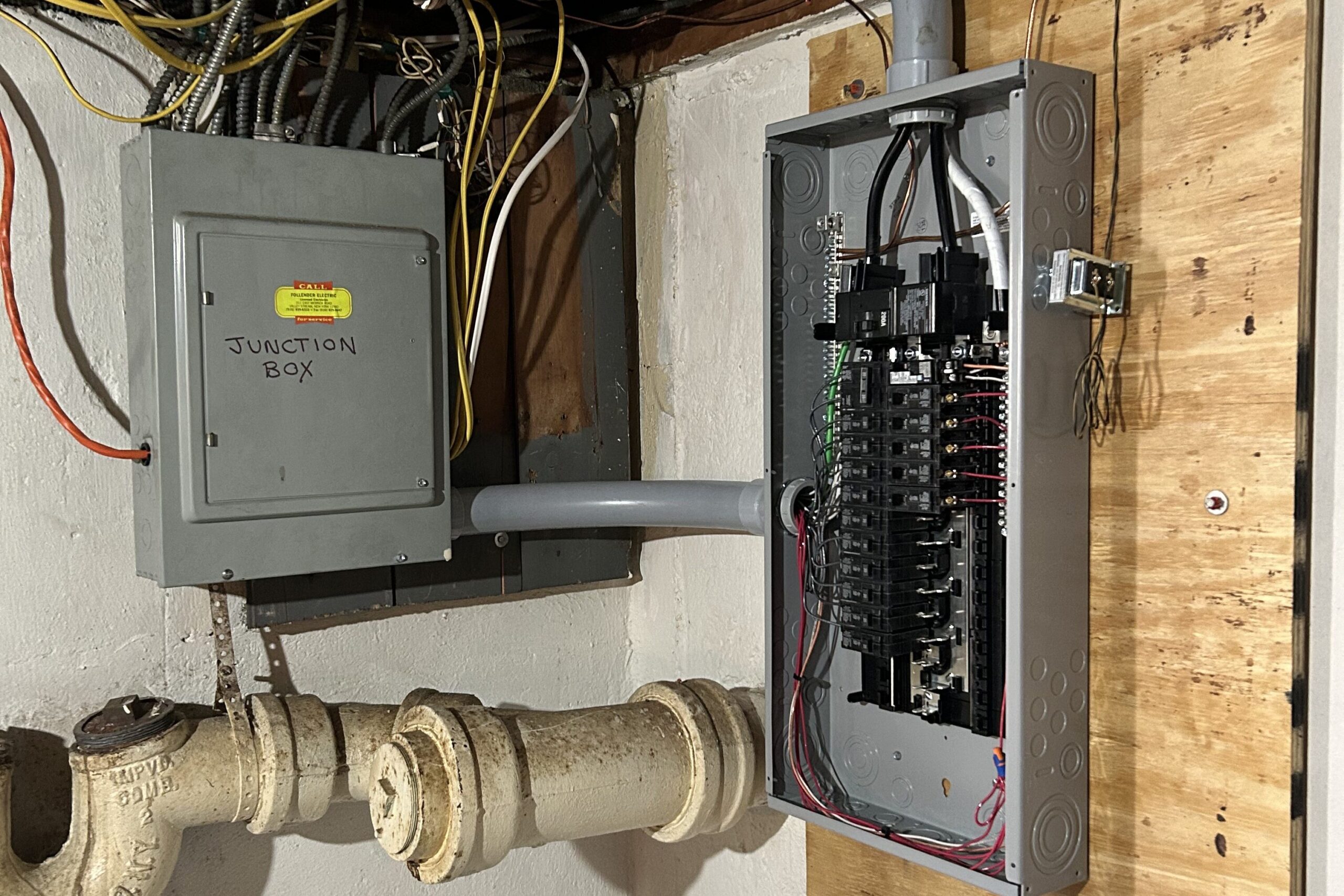
A panel inspection can reveal loose connections, outdated components, or grounding concerns that may affect electrical safety.
This matters more in older homes, where electrical infrastructure may have been updated in phases over many years.
4. Unplug sensitive electronics during severe storms when practical
Unplugging sensitive electronics during severe spring storms can reduce direct exposure to damaging surges.
This is not always practical for every device, but it can help with computers, gaming equipment, and small appliances that are easy to disconnect.
5. Protect HVAC and major appliances
Major appliances and HVAC systems can also be affected by power surges. Protecting those systems may help reduce repair needs and service disruptions during storm season.
For homeowners preparing for humid summer weather, it is smart to think about surge protection as part of broader seasonal readiness.
Cost factors in Rhode Island and Massachusetts
Electrical surge protection costs in Rhode Island and Massachusetts depend on the home, the condition of the panel, and the type of protection being considered.
Common cost factors include:
- age and condition of the electrical panel
- whether grounding updates are needed
- whether you need point-of-use or whole-home protection
- accessibility of the panel
- whether additional repairs are discovered during inspection
Repair vs. Replace: What Homeowners Should Consider
Repair may make sense when the issue is limited to one outlet, a breaker, a damaged surge protector, or another isolated electrical component.
Replacement or a larger upgrade may be worth discussing when:
- the electrical panel is outdated
- surge issues keep returning
- the home has older wiring
- the system struggles with modern electrical demand
- there is no practical way to add safer surge protection to the current setup
A professional inspection can help you compare whether a repair, panel update, or surge protection upgrade is the better next step.
When to Call a Professional in Rhode Island or Massachusetts
Homeowners in Rhode Island or Massachusetts should call a licensed electrician if they notice repeated breaker trips, flickering lights, warm outlets, storm-related equipment damage, or signs that the panel may be outdated.
Professional help is especially important when:
- your home is older
- you are adding major appliances
- you want whole-home surge protection
- you have had electrical issues after spring storms
- you are not sure whether the panel is meeting current household demand
If your home has older wiring, frequent storm-related issues, or no clear surge protection strategy, it may be worth comparing inspection, repair, and upgrade options before summer storms pick up. Schedule an inspection online.
Frequently Asked Questions
What causes power surges in spring?
Spring power surges are often caused by lightning, utility switching, storm damage, or power coming back on after an outage. Some smaller surges can also come from large appliances cycling on and off inside the home. These repeated surges may gradually affect electronics over time.
How can I protect my home from spring power surges in Rhode Island or Massachusetts?
Homeowners in Rhode Island or Massachusetts can help protect a home from spring power surges by using surge protectors, checking the electrical panel, and asking an electrician whether whole-home surge protection makes sense. Older homes may need extra attention because wiring and panels may not match current household demand. A professional inspection can help clarify the safest next step.
What are signs my electrical system may need attention?
An electrical system may need attention if lights flicker, breakers trip often, outlets feel warm, or electronics stop working after storms. These signs can point to electrical stress, outdated equipment, or poor surge protection. A licensed electrician can identify the cause more clearly.
Is whole-home surge protection worth considering?
Whole-home surge protection may be worth considering when a home has expensive electronics, major appliances, older electrical infrastructure, or a history of storm-related issues. Whole-home protection is designed to add a broader layer of defense at the panel. A licensed electrician can confirm whether the panel and grounding setup are ready for that upgrade.
Should I repair or replace an older electrical panel?
An older electrical panel may need repair or replacement depending on its condition, age, and ability to support safe surge protection. Repair may work for isolated issues, but replacement may be the better path if the panel is outdated or struggling with modern demand. A professional inspection can help compare those options.